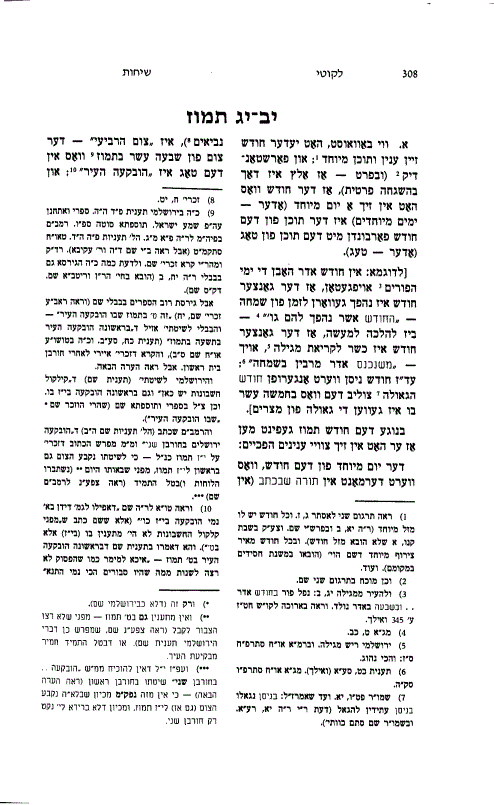
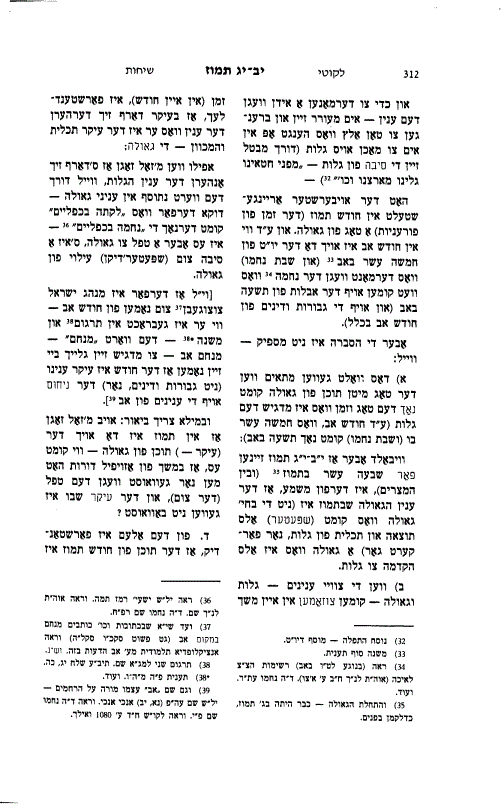
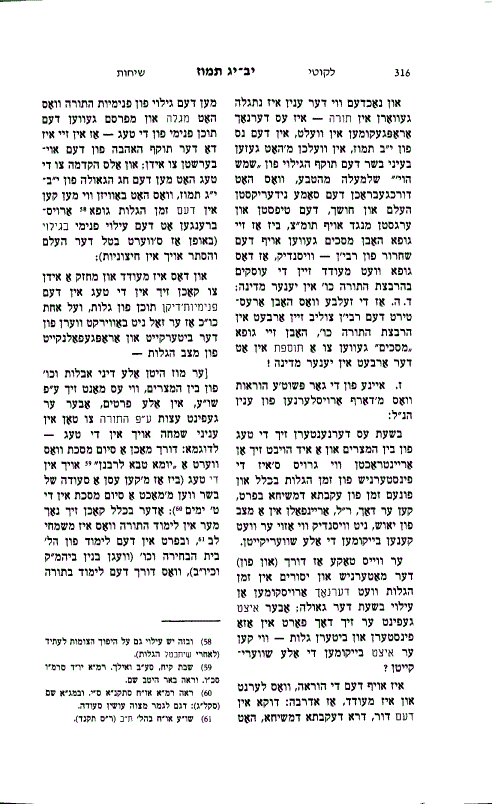
The central theme of the month of Tammuz is the fast day of the Seventeenth of Tammuz. Yet in this month we find two opposite themes.
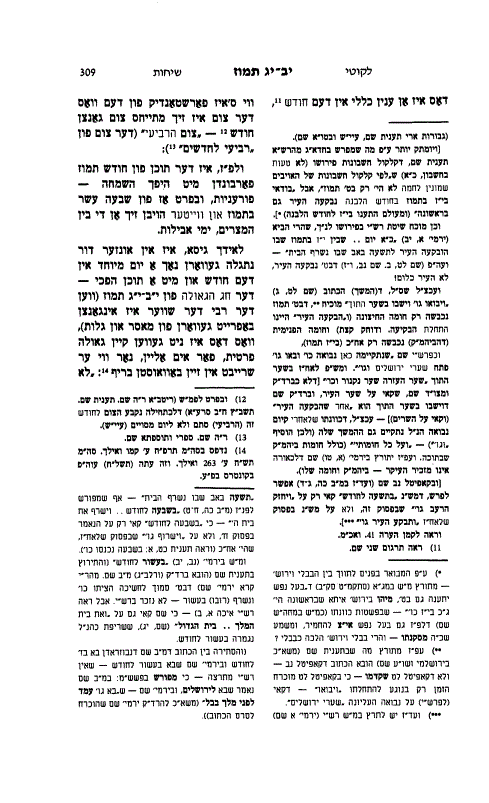
On the one hand, Tammuz contains the fast of the Seventeenth of Tammuz, which marks the beginning of the period of mourning over the destruction of the Beis HaMikdash.
On the other hand, in our generation the opposite theme has become revealed—the redemption of Yud-Beis Tammuz.
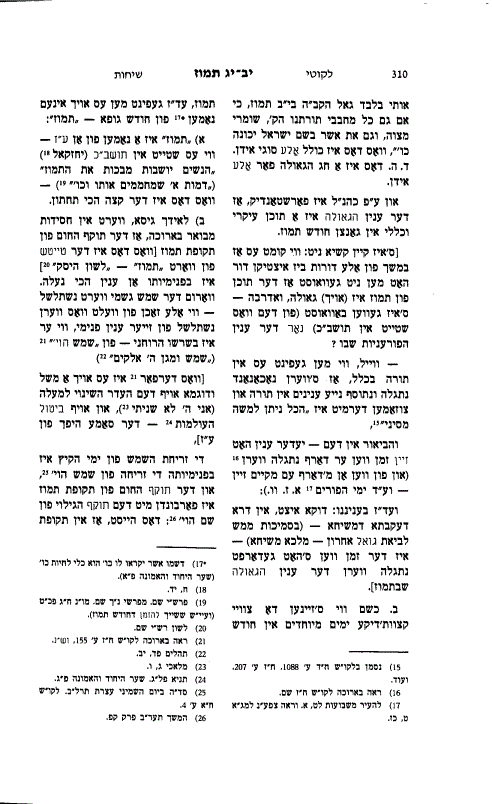
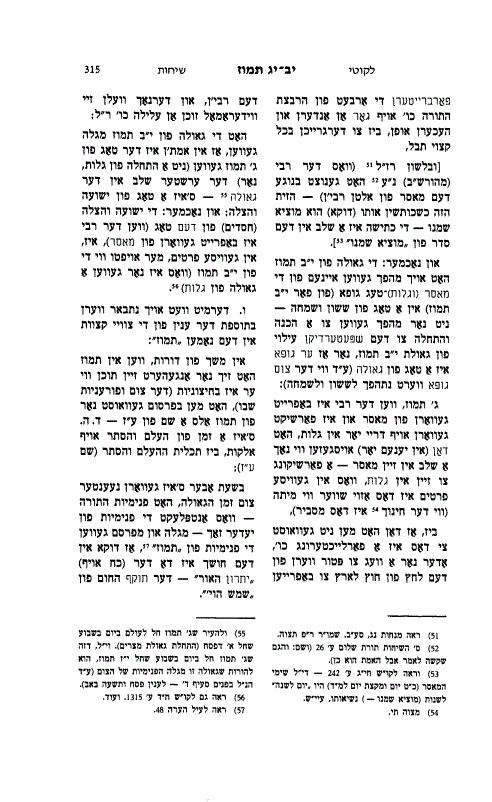
Similarly, within the very name “Tammuz” there are two extremes. Tammuz is the name of an idol, yet the word tammuz is also related to heat and burning, alluding to the intense revelation of the “sun of Hashem.”
One cannot explain that these two themes are merely included together because the ultimate purpose of exile is redemption. For in this case, the redemption associated with Tammuz precedes the exile associated with it. The redemption of Yud-Beis Tammuz comes before the Seventeenth of Tammuz.
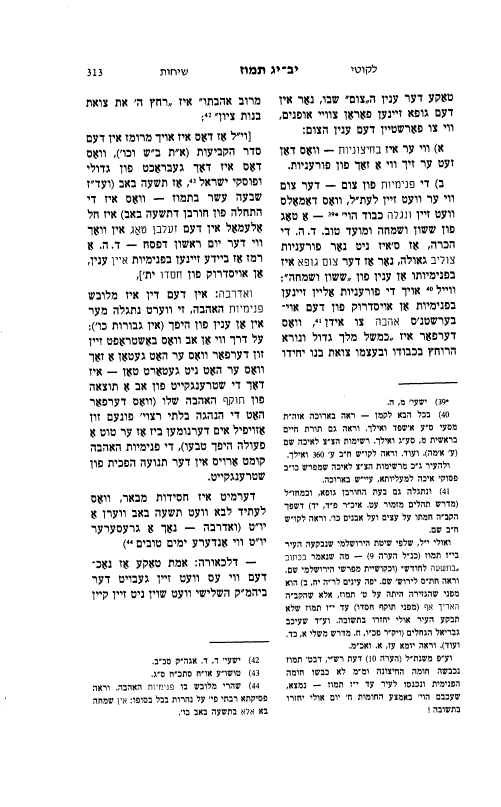
The explanation is that the essential theme of the month is the fast itself.
Outwardly, a fast expresses gevurah—severity, restraint, and judgment. However, in the era of Ikvesa deMeshicha, when there is already a foretaste of the days of Moshiach, the inner dimension of the fast becomes revealed.
Its true inner content is love.
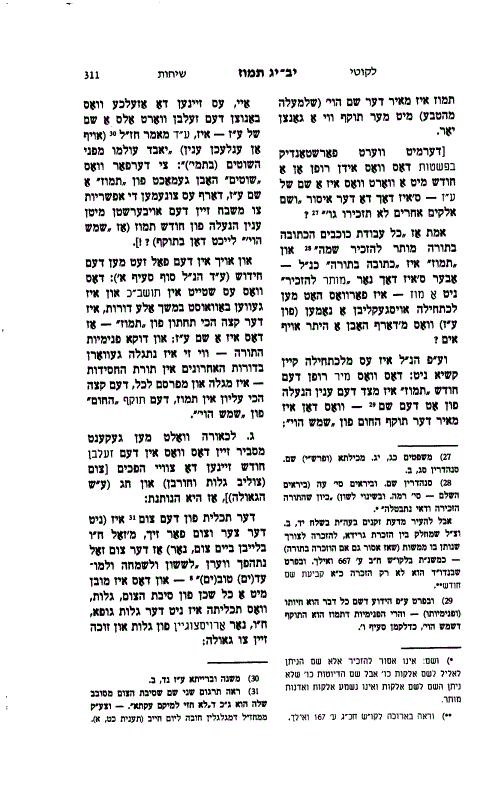
This is reflected in the verse, “Hashem shall wash away the filth of the daughters of Zion.” The purpose of the suffering and purification associated with exile is not punishment for its own sake, but the revelation of Hashem’s deep love for the Jewish people.
Indeed, this represents an especially intense expression of Divine love, so powerful that Hashem acts in a manner contrary to His usual mode of conduct in order to cleanse and elevate His people.
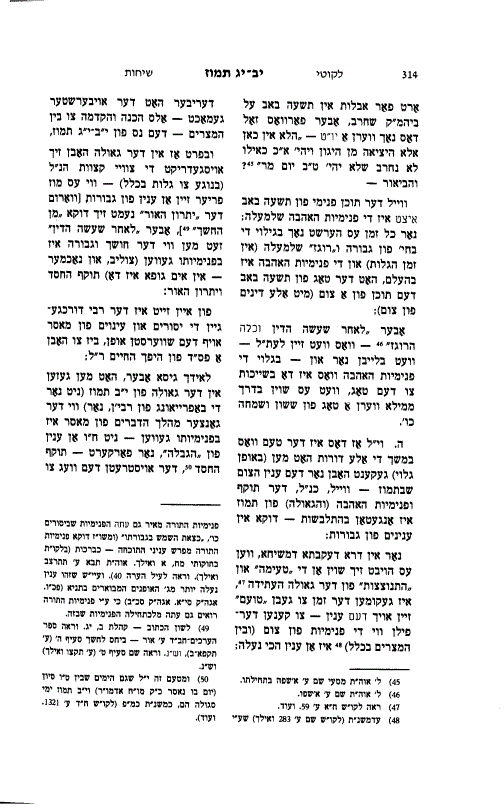
From this comes an important lesson and encouragement.
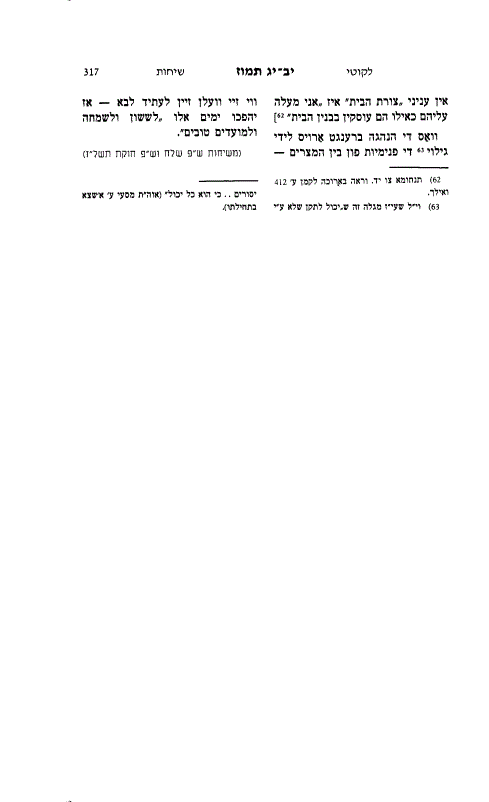
During the days of Bein HaMetzarim, one should focus not only on the external aspect of mourning but also on its inner dimension—the revelation of Hashem’s profound and powerful love for the Jewish people.
By uncovering and connecting to this inner meaning, we hasten the fulfillment of the prophecy that:
“These days shall be transformed into joy and gladness.”
Then the fasts themselves will become festivals of rejoicing with the coming of the complete and final redemption.