Likkutei Sichos Vol. 8 – Naso 2 – Why Rashi Explains the Offerings of the Second Nasi
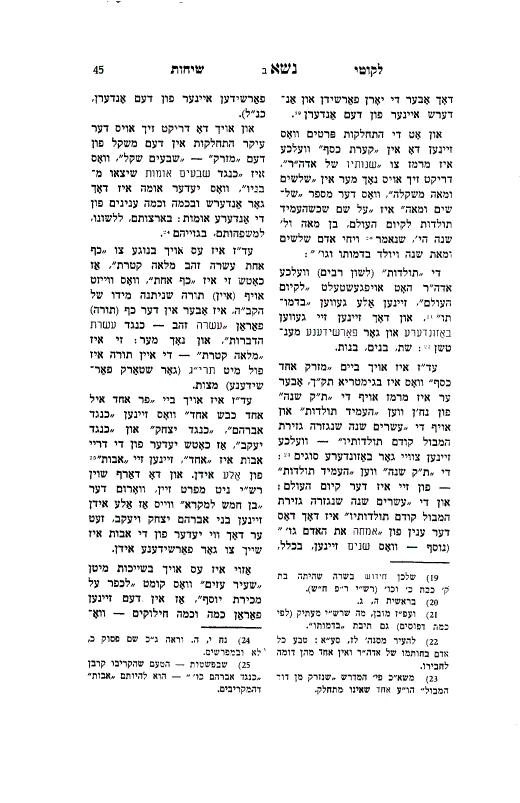
Rashi explains the symbolism of the Nesi’im’s offerings specifically by the second Nasi because the tribe of Yissachar proposed these offerings. Their symbolism reflects broad themes connected to Adam HaRishon, while each tribe focused on a different aspect within those shared themes.
Rashi explains the symbolic meanings of the offerings brought by the Nesi’im specifically in connection with the second tribal leader, based on the teachings of Rabbi Moshe HaDarshan. This requires explanation: Why does Rashi not bring a different interpretation from the Midrash for each Nasi? And why does he present the exposition דווקא with the second Nasi?
The explanation is as follows:
Rashi explains that the reason the prince of Yissachar brought his offering on the second day, immediately after Nachshon of the tribe of Yehudah, is because “they gave the advice to bring these offerings.” This indicates that there was something unique about these offerings.
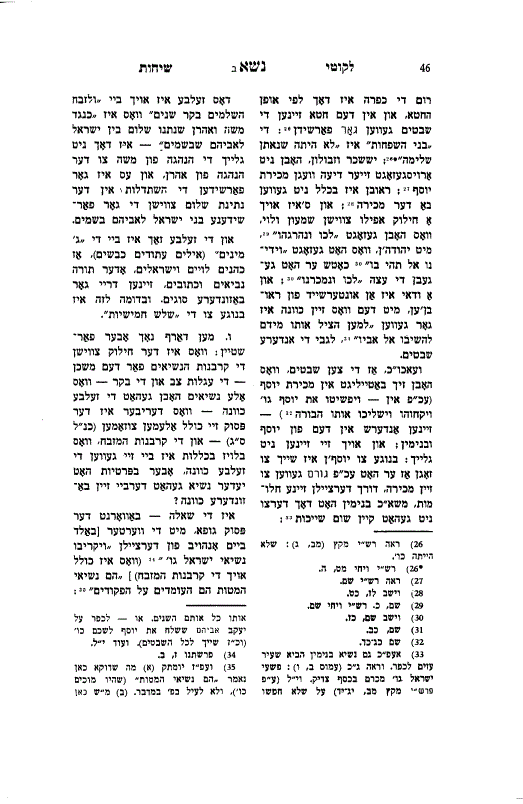
However, if all the tribes brought identical offerings, why does the Torah repeat each one separately instead of simply stating that the remaining Nesi’im brought the same offerings? On the other hand, if each tribe intended different symbolic meanings, how can it be said that they all brought them based on the advice of the tribe of Yissachar?
Therefore, Rashi cites a general exposition from Rabbi Moshe HaDarshan. The symbols of the offerings refer to broad, universal themes, such as “the years of Adam HaRishon.” Within those years were many details and events, and each tribe focused on a different aspect of the life and years of Adam HaRishon. This differs from the Midrashic interpretation that reads “קערת” as “עקרת”, alluding to Adam HaRishon as the root and foundation of humanity.
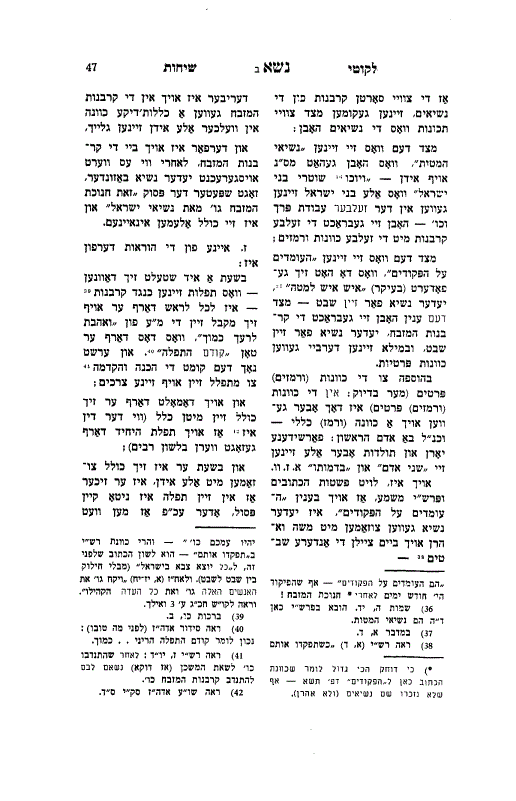
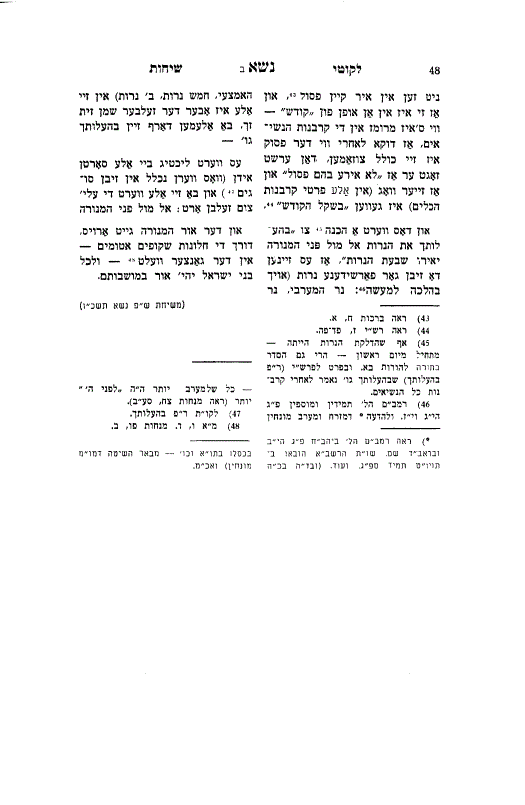
The same approach applies to all the symbolic interpretations: each symbol represents a broad, general concept that contains many individual details, and each tribe directed its intention toward a different aspect of that general theme.