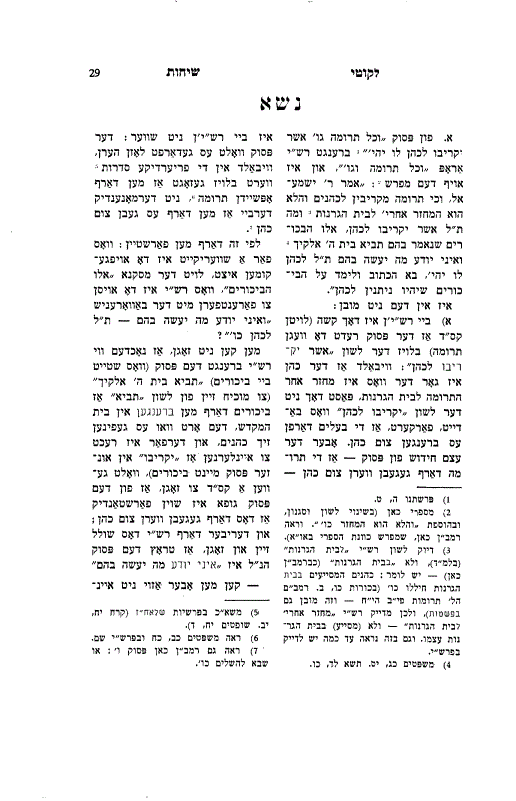
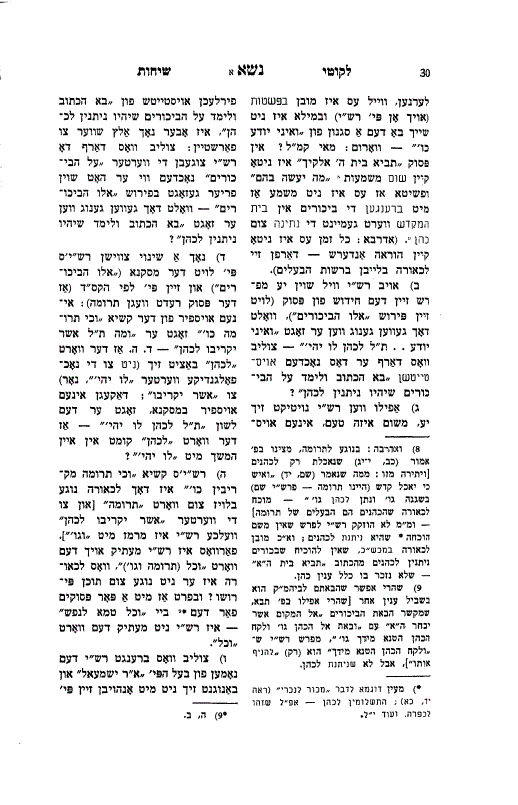
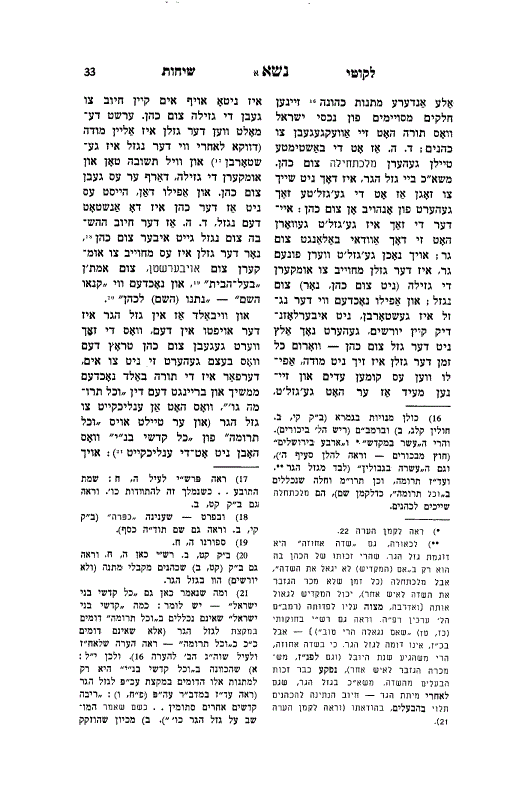
On the verse (Bamidbar 5:9), “And every offering of all the holy things of the Children of Israel which they bring to the Kohen shall be his,” Rashi comments:
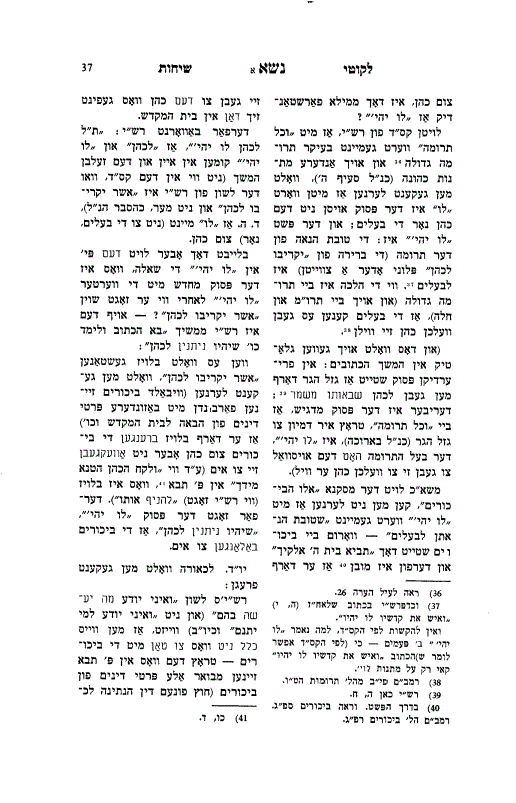
“Rabbi Yishmael said: Do people bring terumah to the Kohen? Is it not the Kohen who goes around to the threshing floors to collect it? What then is the meaning of ‘which they bring to the Kohen’? These are the Bikkurim, regarding which it is said, ‘You shall bring them to the House of Hashem your G‑d.’ But I do not know what is to be done with them. Therefore the verse says, ‘It shall be his.’ The verse comes to teach that the Bikkurim are given to the Kohen.”
This requires explanation. Seemingly, Rashi’s difficulty is only with the word “offering” (terumah) in this verse, because ordinary terumah is not brought to the Kohen; rather, the Kohen goes to collect it. Therefore, Rashi explains that “terumah” here refers to Bikkurim. However, there appears to be no difficulty with the words “it shall be his.” Why then does Rashi go on at length to explain that the Bikkurim are given to the Kohen? Furthermore, why does Rashi quote the word “and every” in his opening citation?
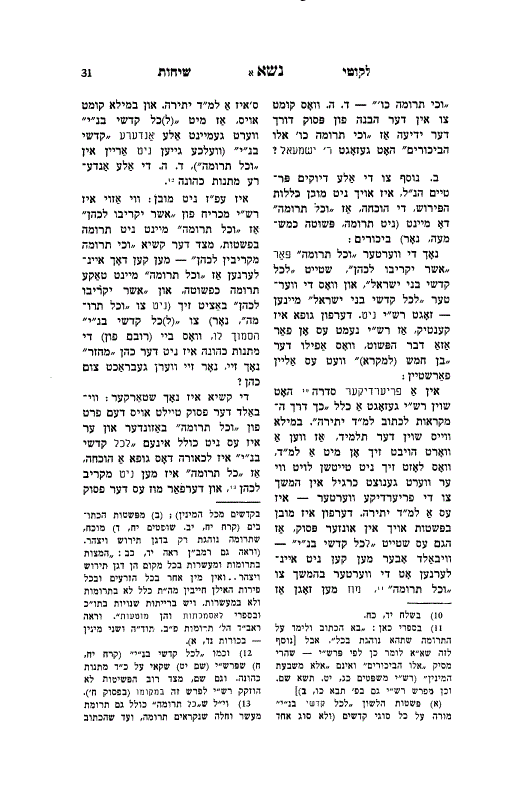
The explanation is that the phrase “and every offering”—with the connecting letter vav (“and”)—is linked to the previous law concerning the property of a convert who died without heirs (gezel hager). The reason terumah is mentioned immediately afterward is because it resembles gezel hager. Just as the stolen property of the convert does not originally belong to the Kohen and reaches him only after it is consecrated to Hashem, so too terumah does not originally belong to the Kohen; only after it is designated for Hashem is it given to the Kohen.
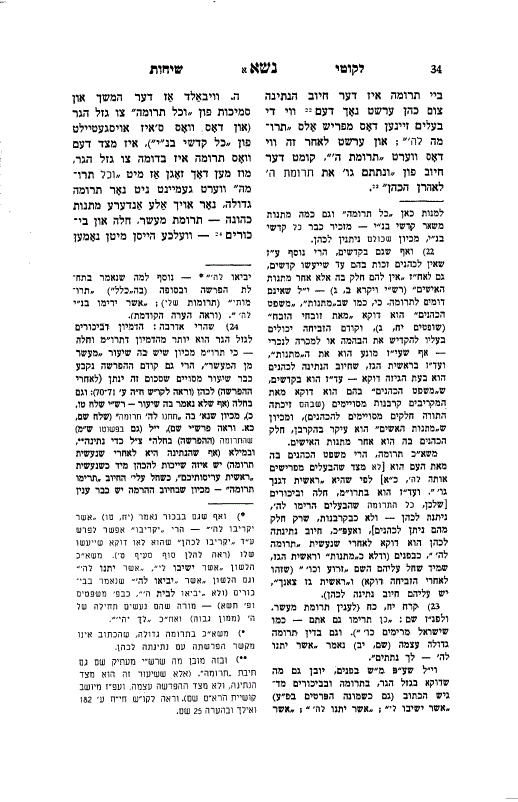
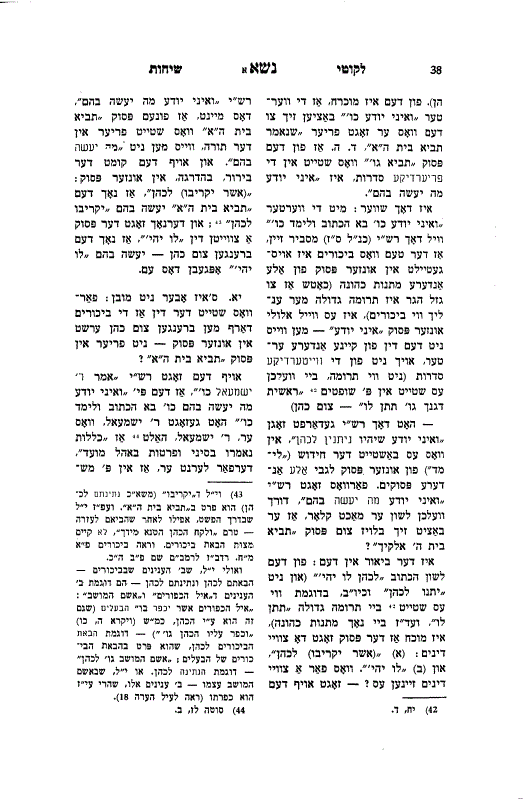
One might therefore assume that “every offering” includes all priestly gifts that share this characteristic—not only terumah, but also terumas maaser, challah, and Bikkurim—since all are first dedicated to Hashem and then given to the Kohen.
Rashi rejects this interpretation and explains that “every offering” refers specifically to Bikkurim, because Bikkurim are actually brought to the Kohen, whereas the Kohen goes to collect the other gifts.
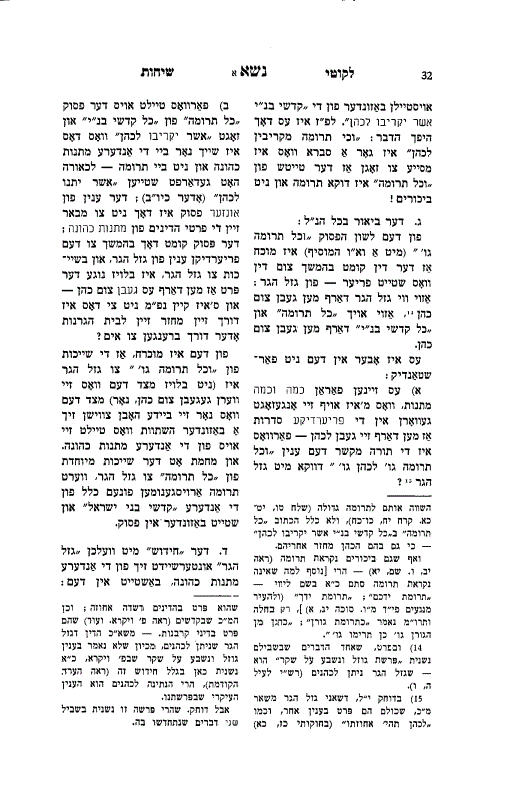
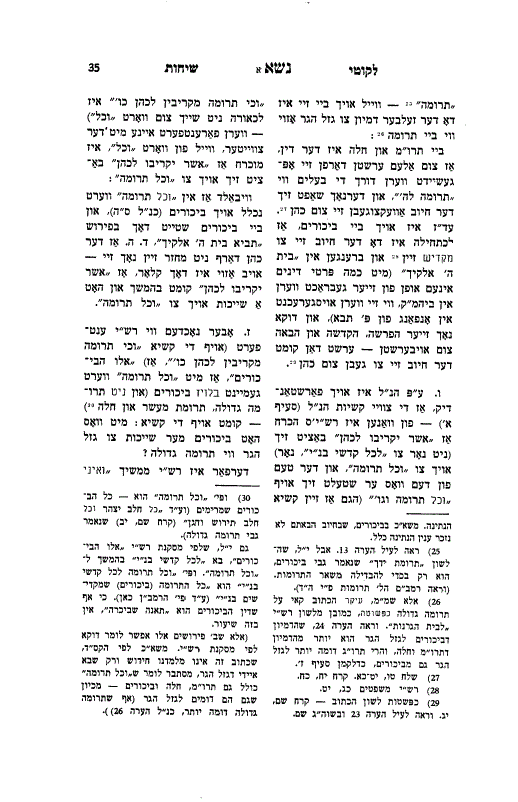
However, this raises another question: why should Bikkurim be more closely connected to gezel hager than terumah or maaser? To answer this, Rashi adds: “I do not know what is to be done with them; therefore the verse teaches…” The reason the Torah specifically mentions Bikkurim is not because they resemble gezel hager more than the other priestly gifts, but because the Torah wishes to teach us what is done with them.
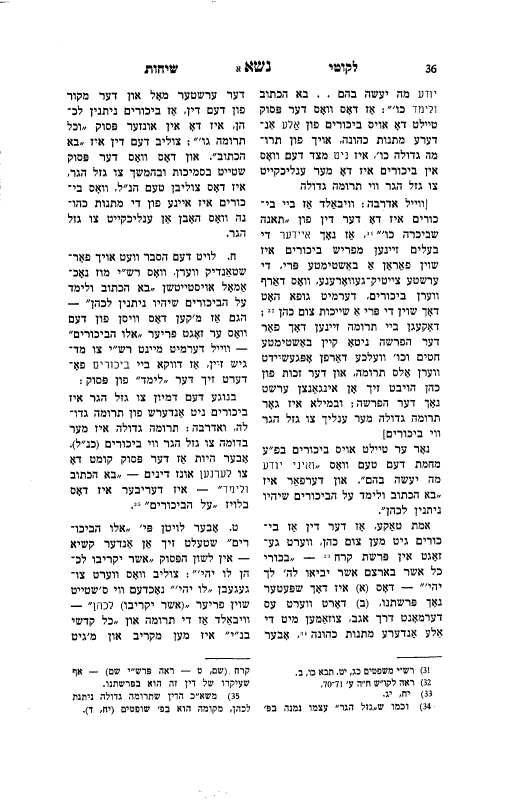
The verse then continues with “it shall be his,” teaching that the Bikkurim are not merely brought to the Kohen, as one might bring something for a ceremonial waving, but that they actually become the Kohen’s property.
Wine of Torah
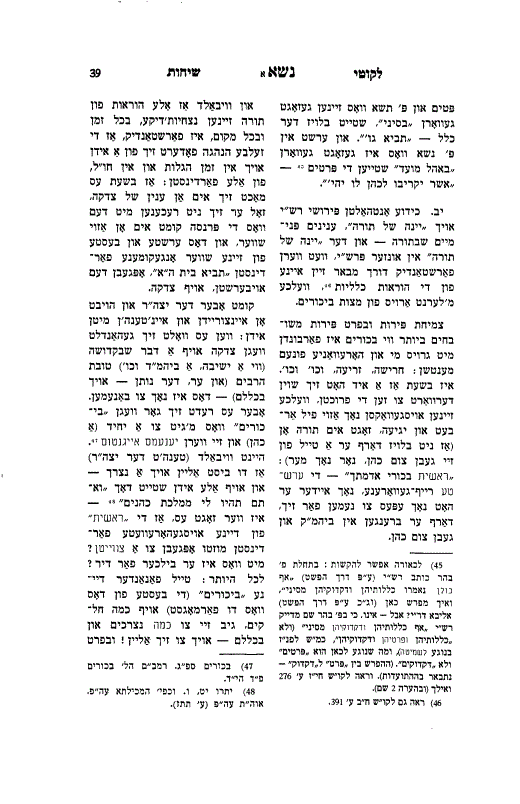
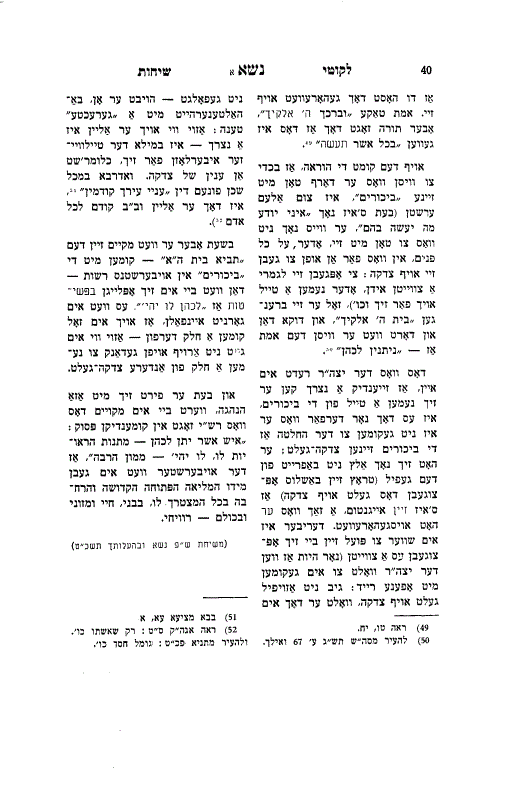
Sometimes the Yetzer Hara argues that a person should not give tzedakah properly. If the money is being given to a yeshivah or another communal holy cause, benefiting many people, perhaps that makes sense. But when the charity resembles Bikkurim and becomes the possession of an individual recipient, the Yetzer Hara claims that the giver himself also needs the money.
This argument stems from the mistaken assumption that the money truly belongs to him. In reality, one must recognize the lesson of “You shall bring them to the House of Hashem your G‑d”—the money does not truly belong to him but to Hashem. Once a person adopts this perspective, he will naturally give the money to tzedakah—to the “Kohen.”