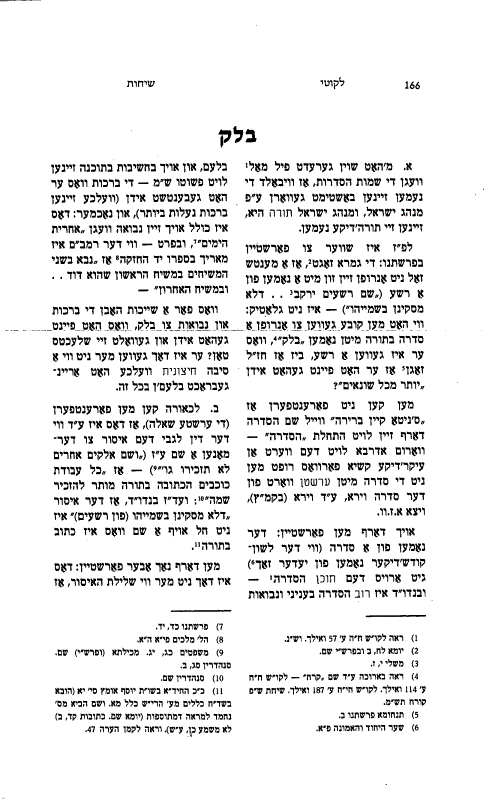
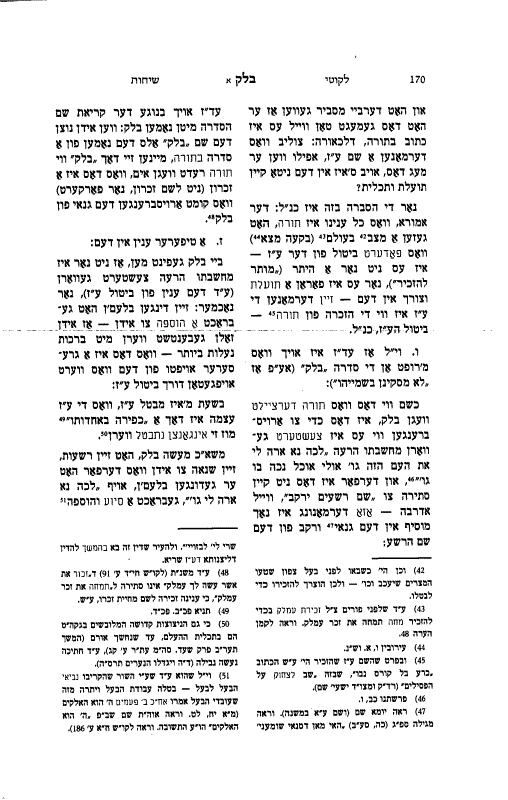
It is necessary to understand why this parshah bears the name Balak, a wicked individual, when the Sages teach that one should not perpetuate the names of the wicked.
This can be understood by first considering the law that it is permissible to mention the name of an idol that is recorded in the Torah.
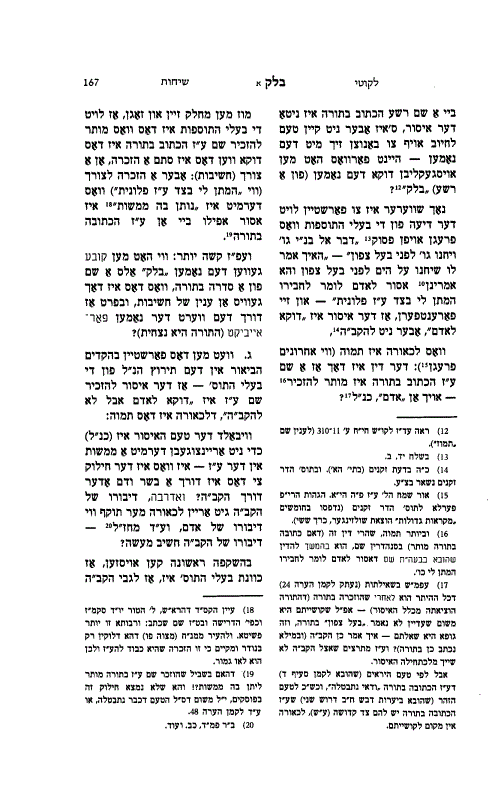
The Sefer Yere’im explains that since the Torah itself mentions the idol, it has certainly been nullified. At first glance, this is difficult to understand, for we find idols mentioned in the Torah that were not literally eradicated from the world.
The explanation is that the idol is nullified for the Jew studying the Torah. The Torah mentions it in order to reveal its true nature—that it is “vanity and of no benefit.” By being included in the Torah, its false significance is exposed and nullified.
For this reason, the Tosafists explain that the prohibition against mentioning the name of an idol applies only to a person, not to Hashem. When Hashem mentions the idol in the Torah, the very mention serves to nullify it.
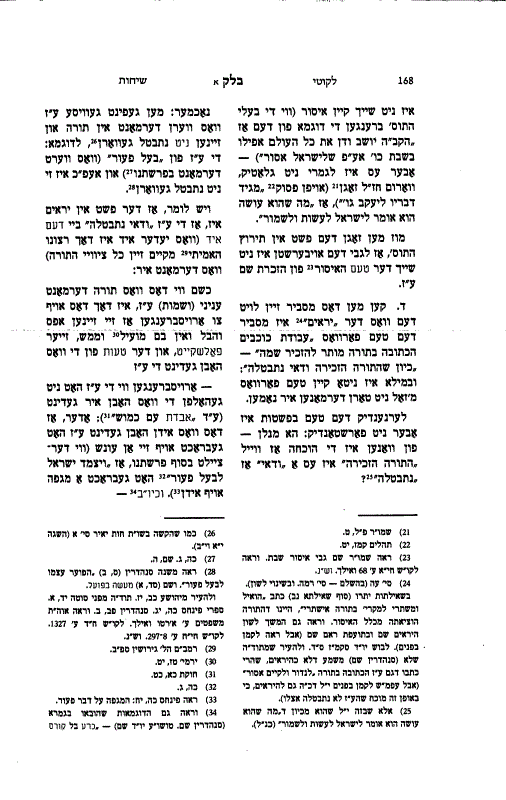
The same principle applies to Balak. When the Torah mentions his name, it is not granting him honor or importance. On the contrary, it adds to his disgrace and becomes part of the fulfillment of the verse:
“The name of the wicked shall rot.”
The Torah’s mention of Balak exposes the futility of his opposition and strips him of any true significance.
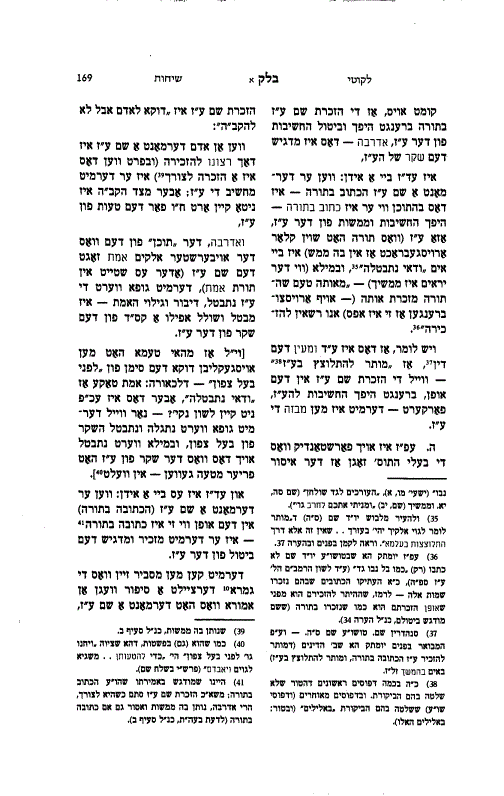
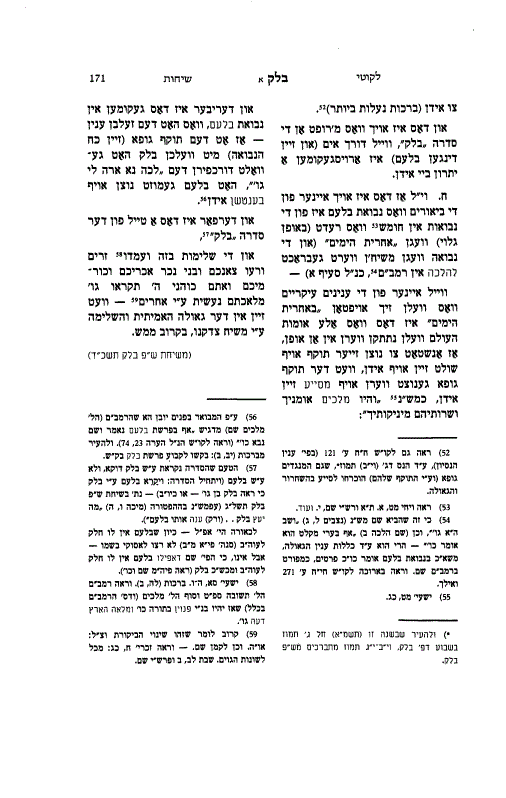
On a deeper level, however, Balak’s name is mentioned because through him the Jewish people received some of the most exalted blessings ever recorded in the Torah.
This also explains why the Torah’s prophecies concerning the days of Moshiach appear specifically in Parshas Balak and in the prophecies of Bilam.
In the future redemption, the prophecy:
“Kings shall be your foster fathers”
will be fulfilled, and the nations of the world will assist the Jewish people in fulfilling Hashem’s purpose.
This theme is already reflected in Bilam’s prophecy. With the very same intensity that Balak sought to curse the Jewish people, those efforts were transformed into blessings. The power that was intended for opposition became a vehicle for holiness.
Thus, the inclusion of Balak’s name in the Torah foreshadows the ultimate redemption, when even those forces that once opposed holiness will be transformed and redirected to assist the Jewish people and the revelation of G‑dliness in the world.