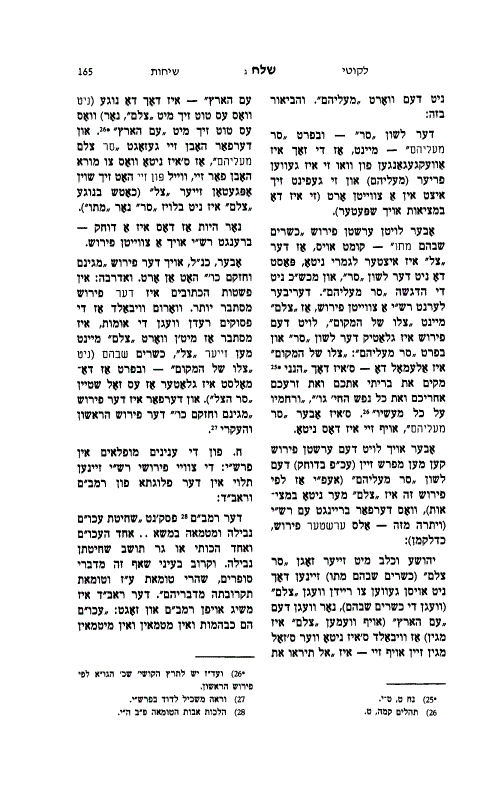
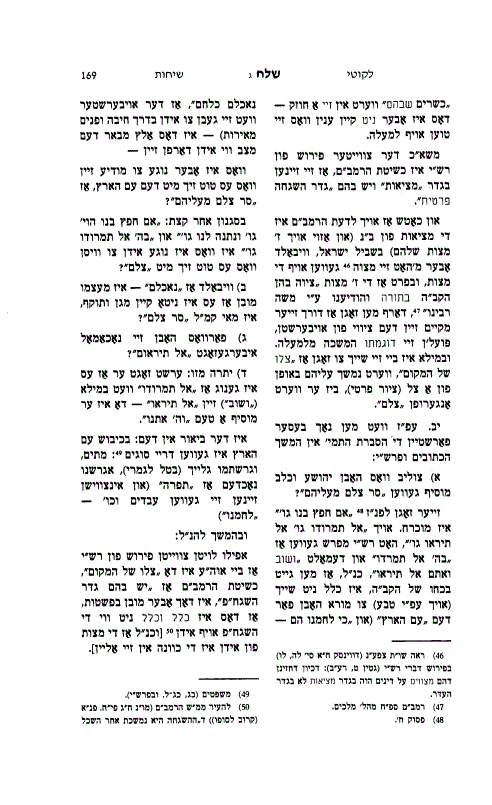
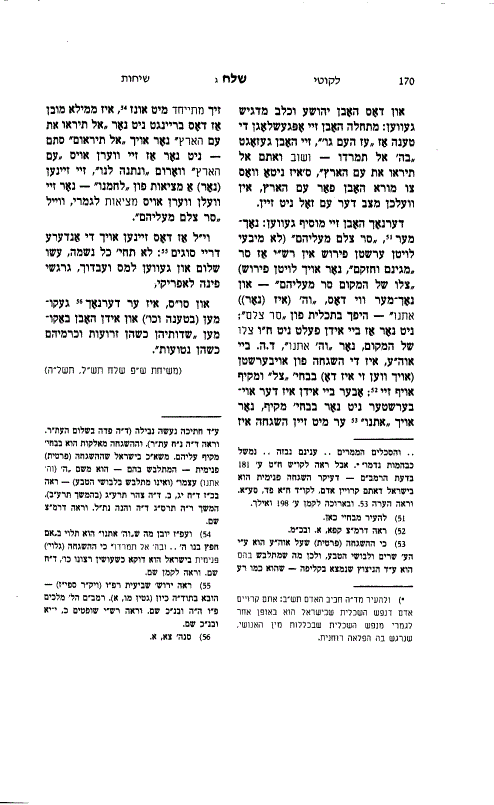
According to the Raavad, idolaters are not considered a category of existence about which one can say that “the shadow of G‑d is upon them.” The concept of a shadow implies that a person's actions produce a corresponding effect Above. This approach fits the interpretation that “their shadow” refers to “the righteous among them.”
According to the Rambam, however, they do possess a shadow—meaning a measure of individual Divine providence, as well as individual reward and punishment. This approach fits the interpretation that “their shadow” refers to “the shadow of the Omnipresent.”
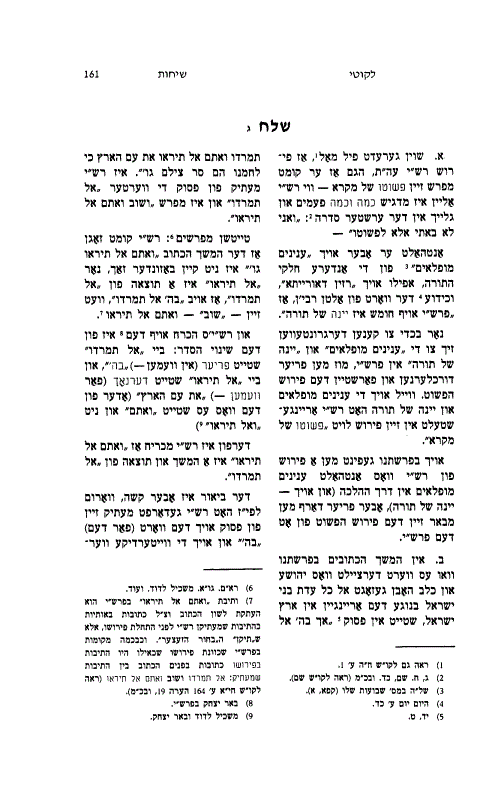
Regarding the verse (14:9):
“Only do not rebel against the L‑rd, and do not fear the people of the land, for they are our bread; their shadow has departed from them.”
Rashi comments:
“Do not rebel” — and then, in turn, “do not fear.”
Rashi is compelled to explain it this way because nowhere do we find that Caleb and Joshua directly answered the spies' argument concerning the strength of the inhabitants of the land.
Therefore, Rashi explains that Caleb and Joshua were saying: if the people do not rebel against G‑d, then there is no reason to fear the inhabitants of the land.
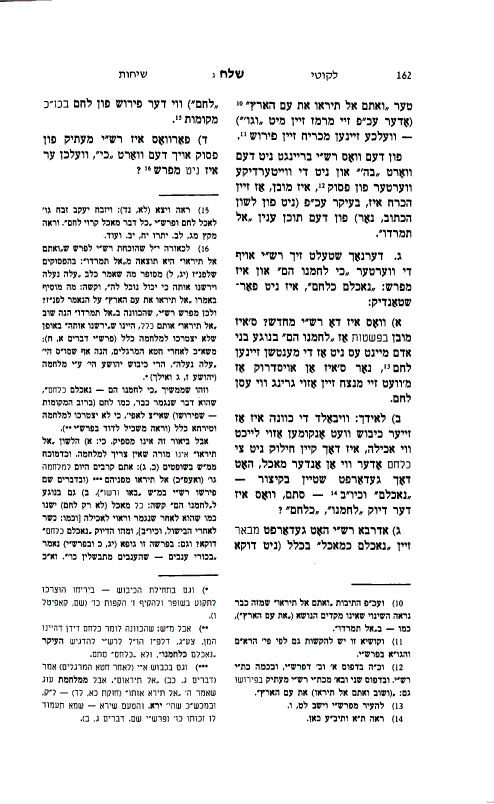
Rashi continues:
“For they are our bread” — “We shall consume them like bread.”
Meaning, conquering them will be easy, and the conquest will resemble bread. As Rashi explained earlier, when the Jewish people requested bread properly, it was given to them with a pleasant countenance.
Regarding:
“Their shadow has departed from them,”
Rashi offers two explanations:
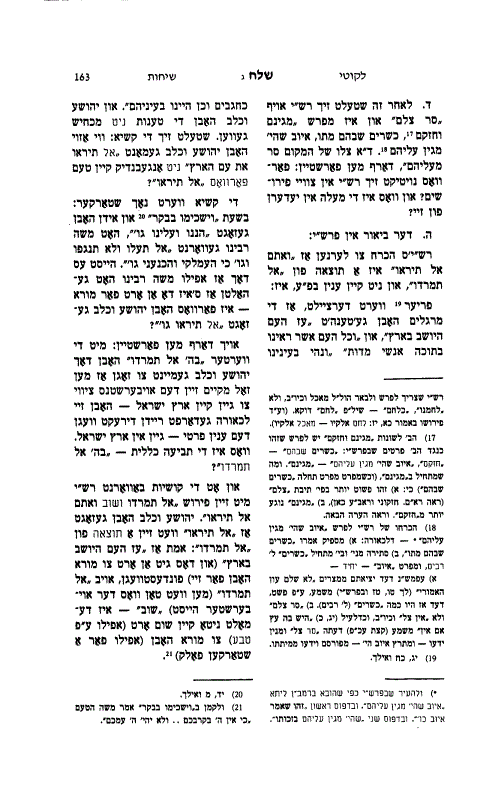
- “Their protection and strength”—the righteous among them had died, specifically Job, who had protected them.
- “The shadow of the Omnipresent has departed from them.”
These two interpretations can be understood in light of the disagreement between the Rambam and the Raavad.
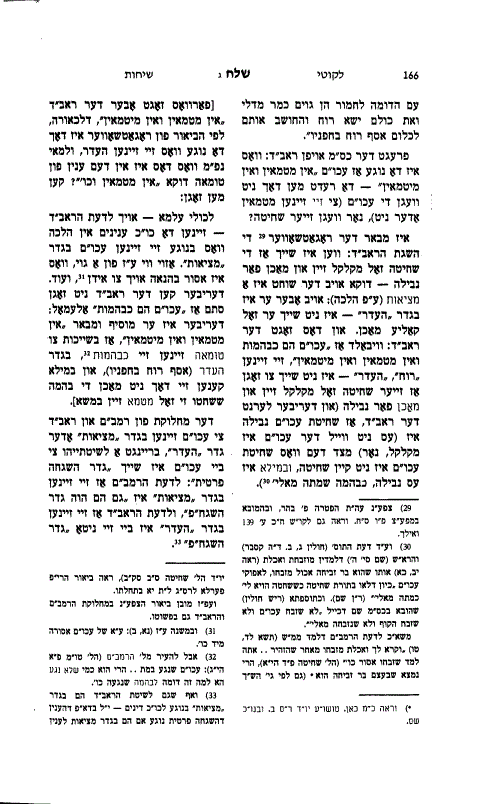
The Rambam rules that the slaughter of a non-Jew can convey the impurity of a carcass (neveilah).
The Raavad objects and writes that idolaters are comparable to animals; they neither impart nor contract such impurity and are not regarded in the same category of human spiritual existence.
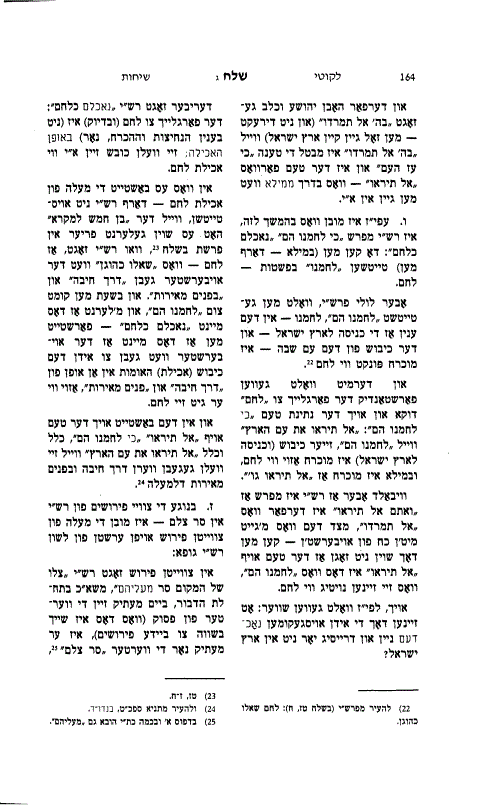
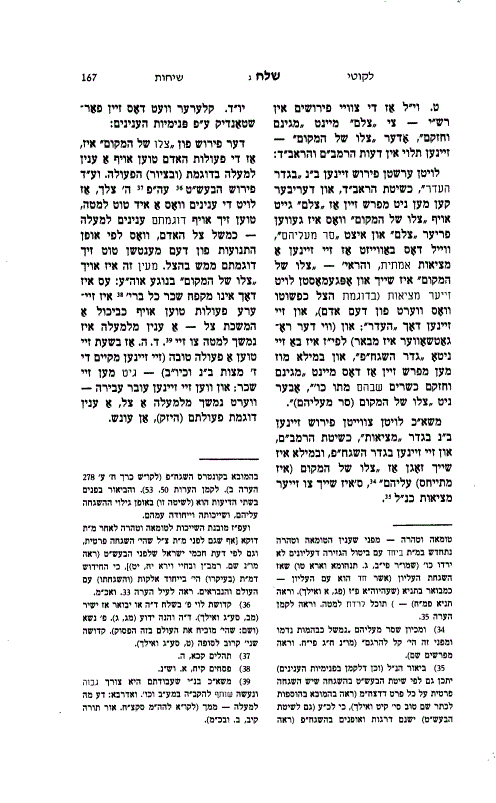
According to the Raavad's view, idolaters are not within the category of beings about whom one can say that the shadow of G‑d rests upon them.
The idea of a shadow signifies a relationship in which a person's actions produce a corresponding reaction Above, just as a shadow below mirrors a person's movements.
According to this approach, non-Jews do not possess that level of individualized Divine relationship or providence.
Therefore, Rashi's first interpretation is more fitting:
“Their shadow” means “their righteous ones.”
The protection was removed because the righteous individuals who shielded them had died.
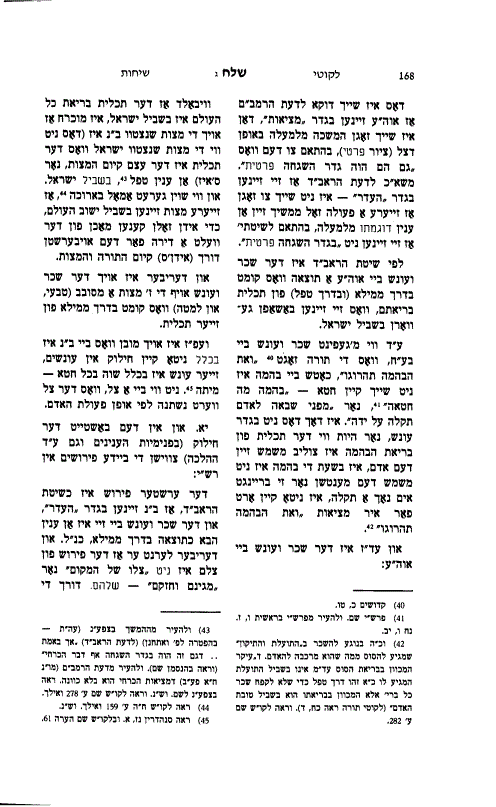
According to the Rambam, however, non-Jews do possess a form of individual Divine providence, together with individual reward and punishment.
Accordingly, Rashi's second explanation is appropriate:
“Their shadow” means “the shadow of the Omnipresent.”
The Divine protection that had rested upon them had been withdrawn.
This was Caleb's message when he declared:
“Their shadow has departed from them.”
The nations no longer possessed the protection that had previously sustained them.
In contrast, regarding the Jewish people:
“And the L‑rd is with us.”
Not merely as a protective shadow, but in a state of union and closeness.
A shadow reflects a connection from a distance, whereas “the L‑rd is with us” expresses a far deeper relationship—an intimate bond between G‑d and the Jewish people.