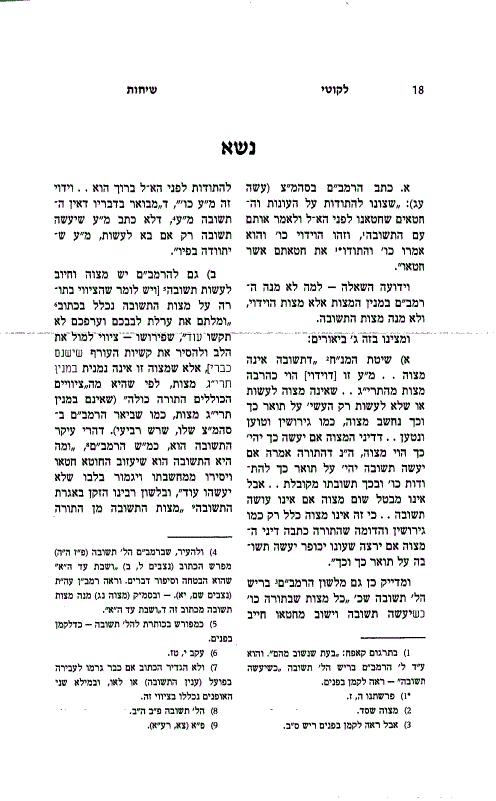
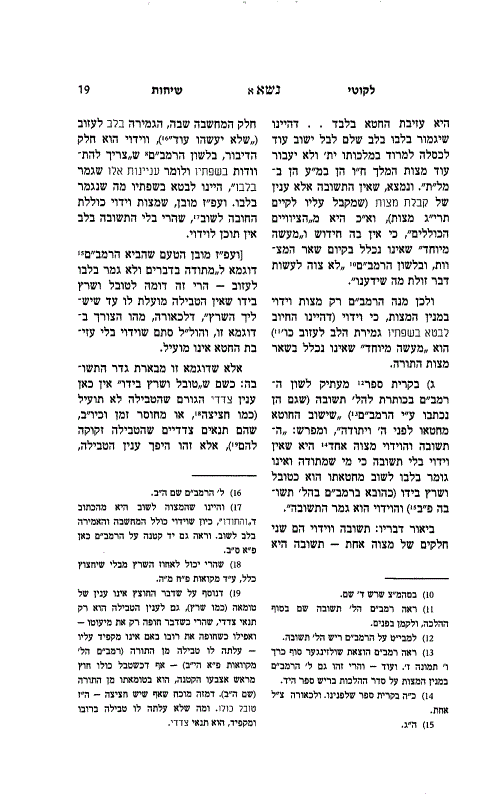
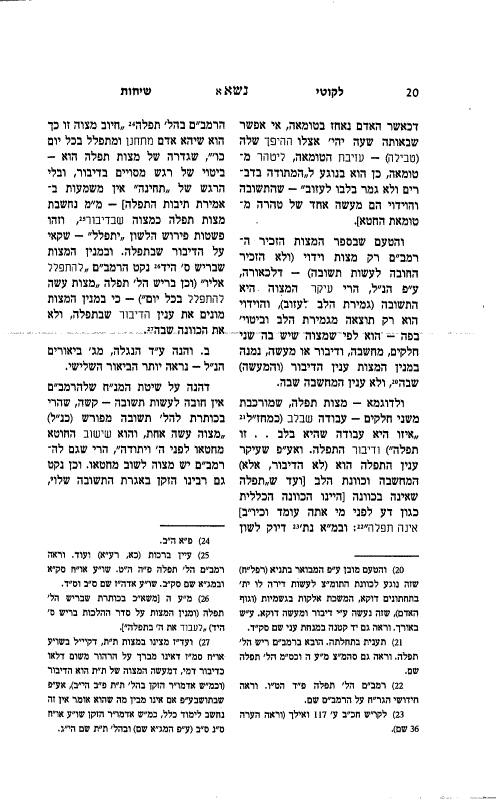
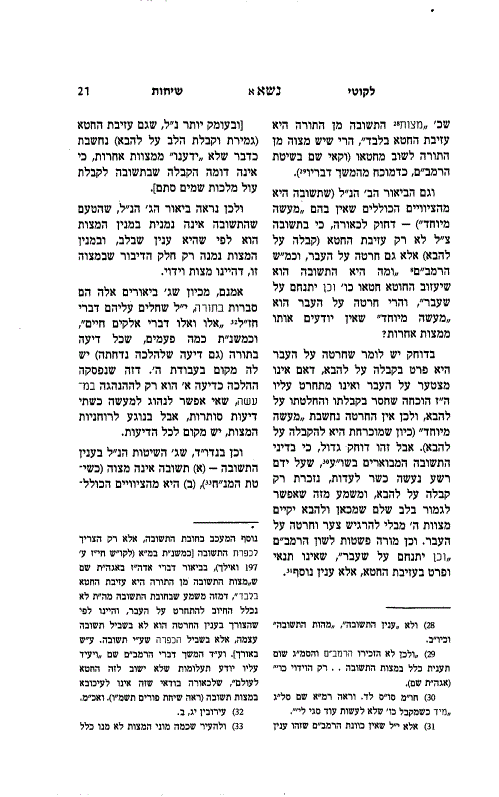
A. In the Tembukayin's dispute in Pesachim (Night 115), they present a query regarding one who, preceding the fulfillment of a blessing, says a blessing by redirecting the intention for the purpose of the commandment – is that still called fulfilling the commandment? Differences arise if inherent problems of action exist as well. This question extends to discuss whether unintentional fulfillment aligns with divine will. Many note this particular argument surrounding mitzvot themselves if they require input or awareness alongside their performance.
B. Additionally understood, another element of mitzvah lies not only in common practice or even being fully capable despite all attempts yet remains so vitally empowering to fulfill spiritual obligation without fully implementing any given method distinctively concerned because regards request isn't at its fullest performance realized within action directly requiring subsequent blessing for secured accompaniment although potentially being halted mistake incorrect accounts urging almighty restrictive speech focalizes commanding attempts instead.