Likkutei Sichos Vol. 4 – Chukas – The Parah Adumah and the Power of Self-Transcendence
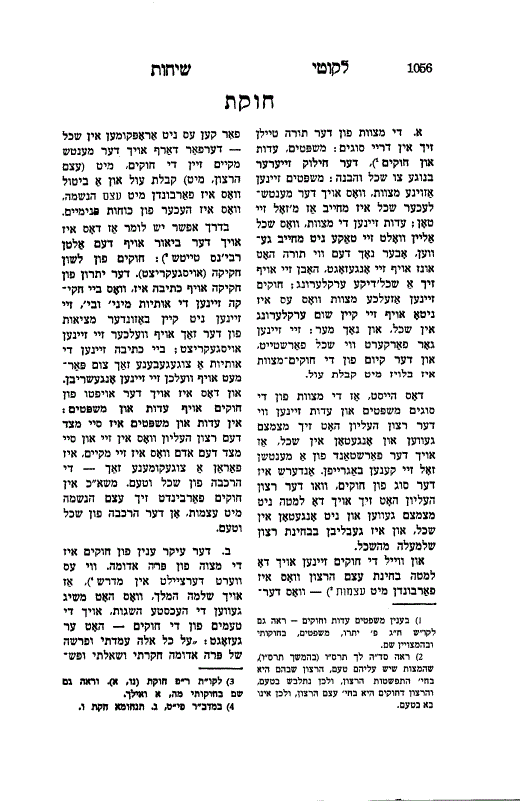
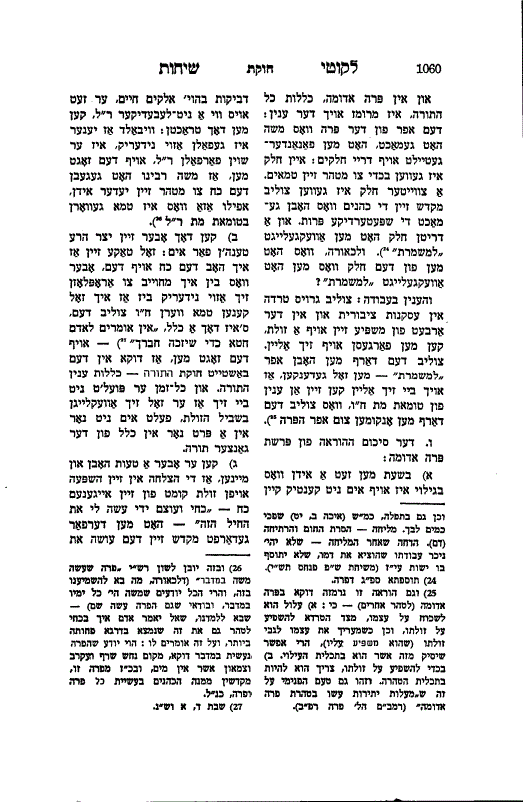
The parah adumah purifies from the most severe impurity because it draws from Hashem's Thirteen Attributes of Mercy, which transcend the spiritual order. Its power comes through unquestioning obedience, revealing the essence of the soul and the selflessness embodied by Moshe.
The observance of the divine statutes (chukim) is rooted in kabbalas ol—acceptance of G‑d’s yoke—which stems from the essence of the soul. The Red Heifer is called “the statute of the Torah,” indicating that this mitzvah reveals the essence of the soul. Since the Red Heifer embodies the entire concept of Torah, the power to fulfill this mitzvah is received from Moshe, as indicated by the verse, “And they shall take to you [a Red Heifer].”
The explanation is as follows:
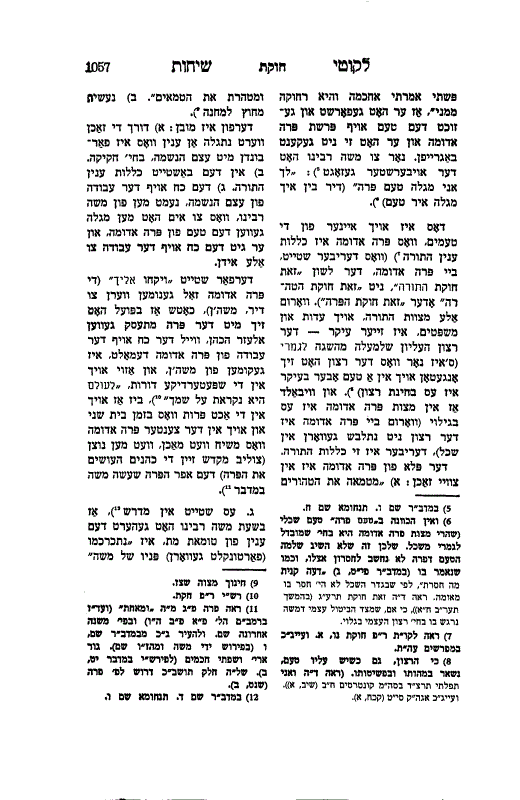
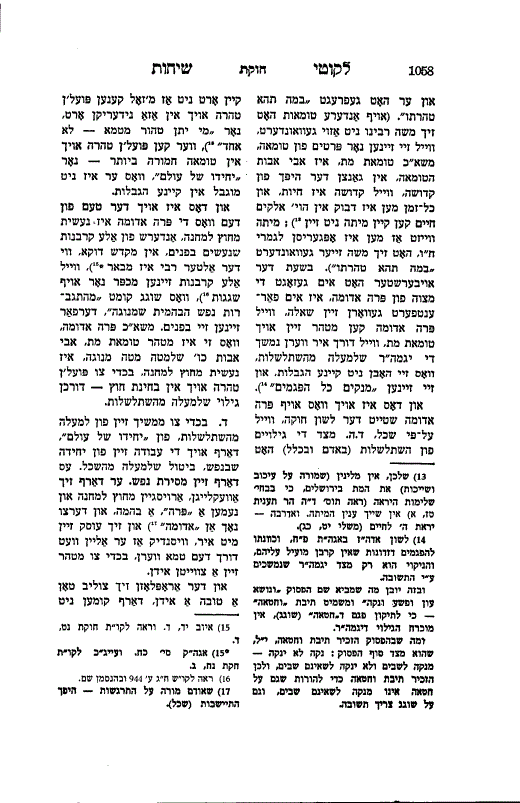
Impurity resulting from contact with the dead is the most severe form of impurity because it is the complete opposite of holiness, whose essence is life. Yet specifically the Red Heifer has the power to purify from this impurity because it draws down influence from the Thirteen Attributes of Mercy, which are higher than the entire order of spiritual progression (hishtalshelus).
This divine revelation is elicited through a chok—a commandment observed beyond logic and understanding. Indeed, the selflessness demanded by this mitzvah is so great that the person involved in purifying others becomes impure himself. This reflects a level of service that transcends personal considerations.
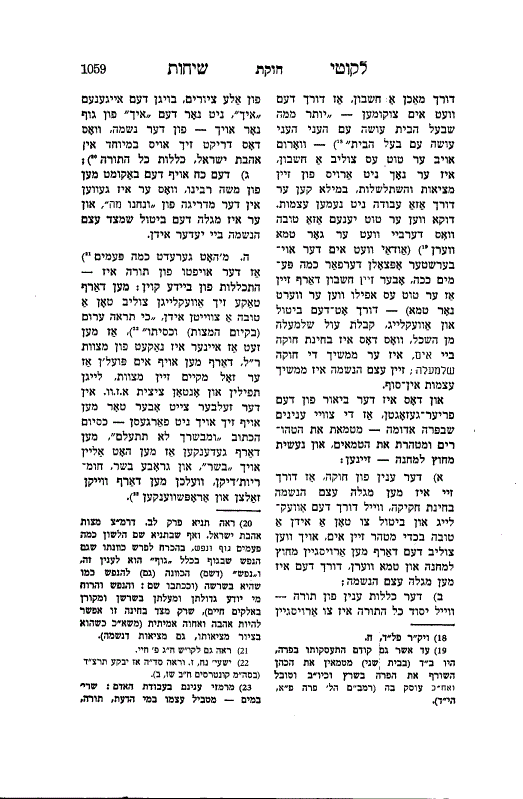
For this reason, the mitzvah of the Red Heifer represents the essence of the entire Torah, whose purpose is that a person transcend his own self-centered existence and submit to the Divine will.
The ability to attain such self-nullification comes from Moshe Rabbeinu, whose defining quality was absolute humility and selflessness, expressed in his words: “And we are what?” (Venachnu mah). Through Moshe, every Jew receives the strength to rise above self-interest and fulfill G‑d’s will with complete devotion.