
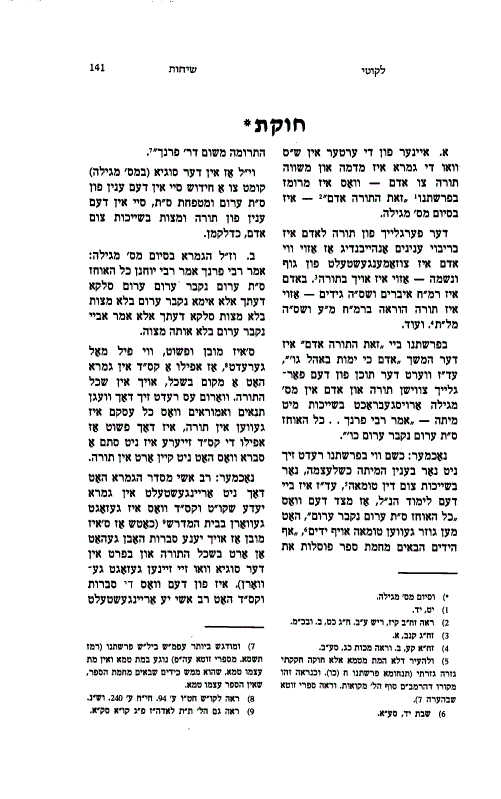
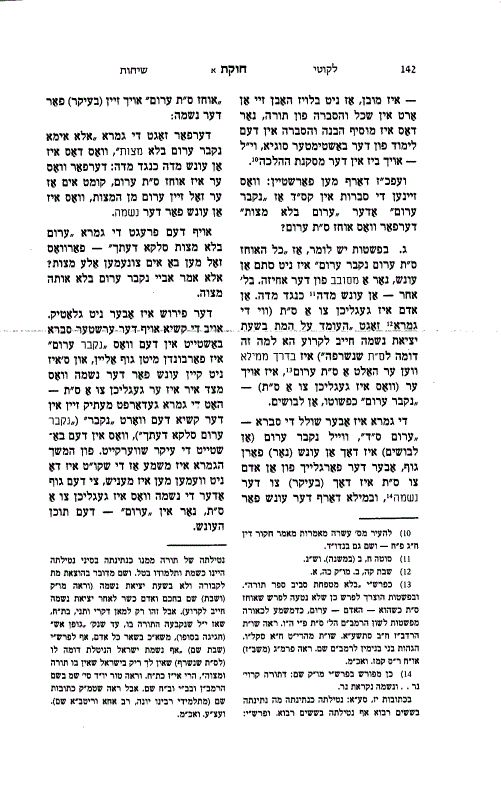
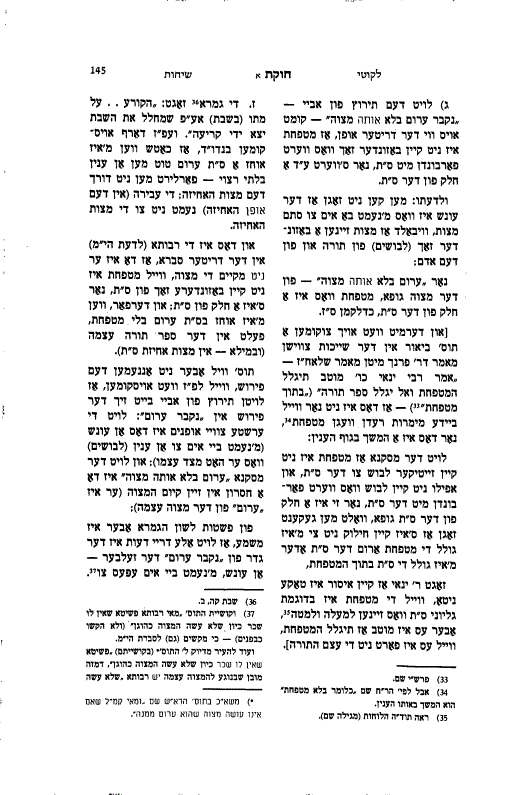
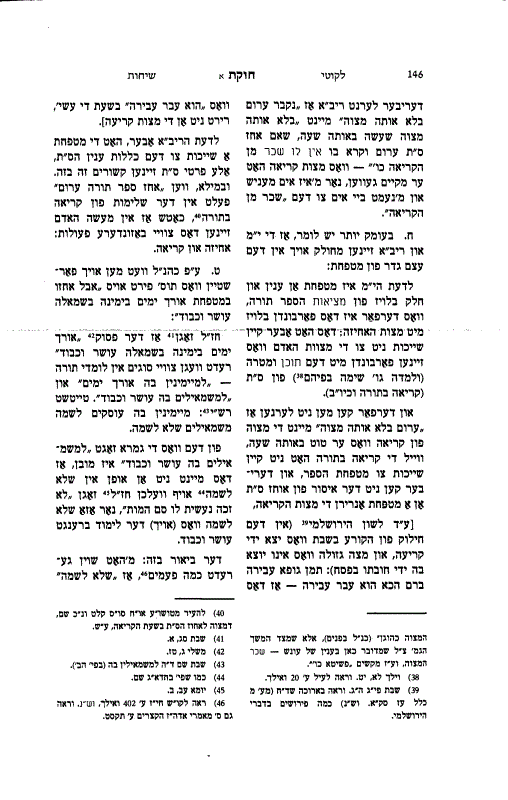
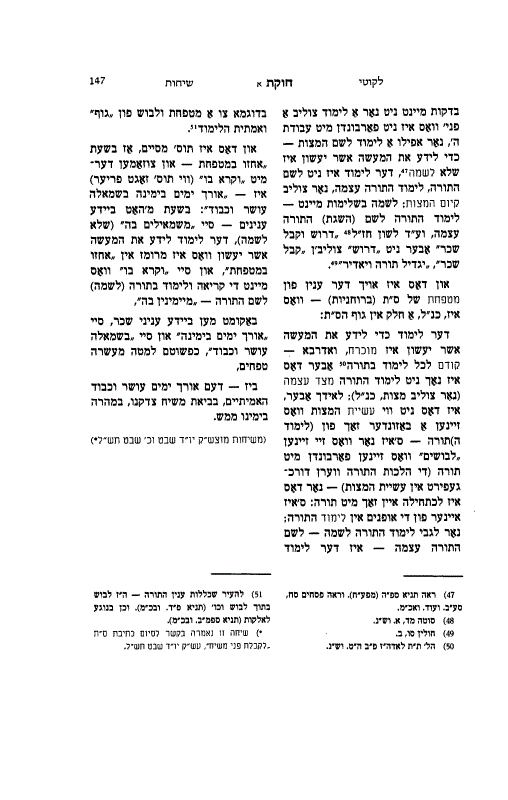
A. One of the unique aspects of Torah is that it includes both clear logical commandments and those beyond human understanding, such as 'Chukim.' 'Chukat' represents commandments that defy human reason and demand acceptance beyond comprehension. The classic example given in this context is that of the Red Heifer (Parah Adumah), which purifies those who have come into contact with a corpse but renders impure those involved in its preparation.
In further analysis, our Sages draw a connection between these laws and humility before divine wisdom. The paradox of these laws highlights the limitation of human intellect in grasping all divine intentions. This teaches us a crucial lesson in faith and observance, as we must perform mitzvot not based solely on understanding or agreement but out of devotion to G‑d’s will.
Rashi comments on his reluctance to expose the logic behind certain mitzvot like Parah Adumah, emphasizing that some commandments are inherently not meant to be fully understood through rational inquiry but instead accepted on faith.
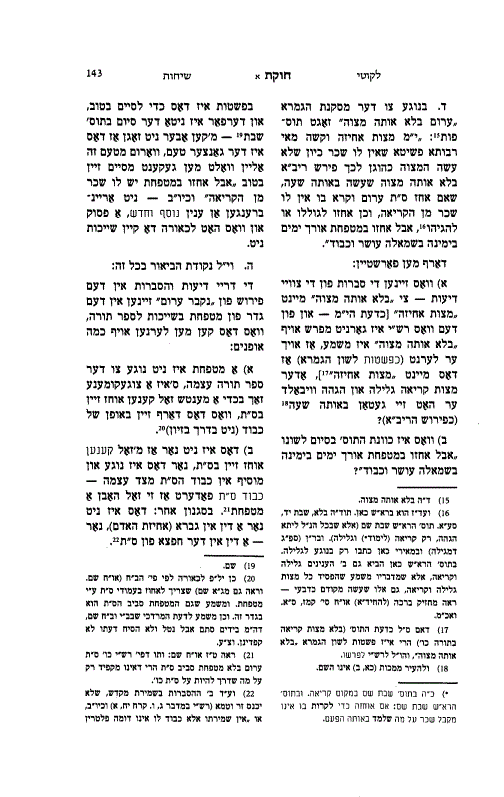
B. The Rebbe elaborates on how true submission is shown when one performs mitzvot whose reasons are not fully known. The essence of this directive encourages an alignment with G‑d’s broader plan, emphasizing that some aspect remains unfathomable until potential future revelations elucidate it further.
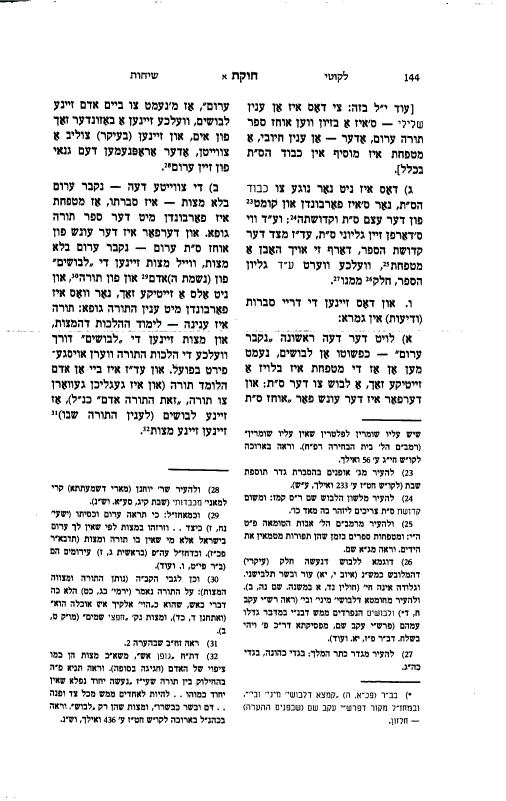
While practical observance may involve parts of Torah grounded in reason for everyday life, embracing those segments challenging to comprehend represents faith's depth. Therefore, following commandments akin to 'Chukat' ensures we refine our spiritual character beyond simple rational deduction.
This fusion of revealed and hidden wisdom within Torah allows scholars and common practitioners alike to engage with holiness at all levels...