
The Mystery of the Missing Garments
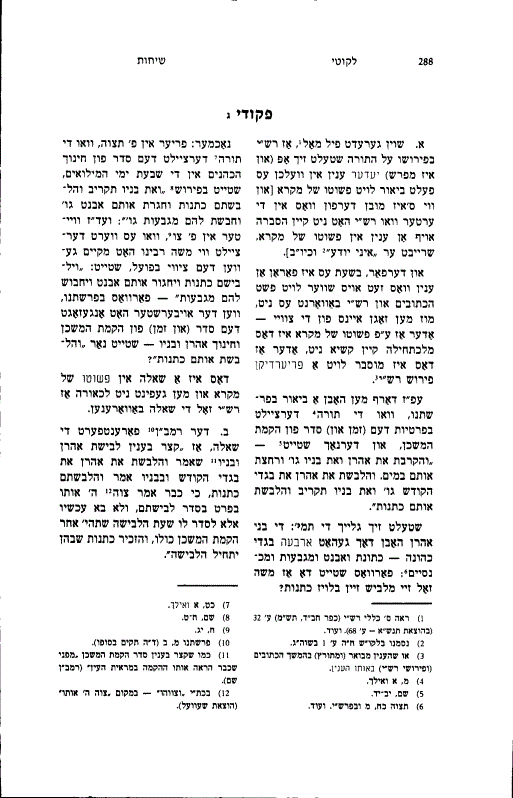
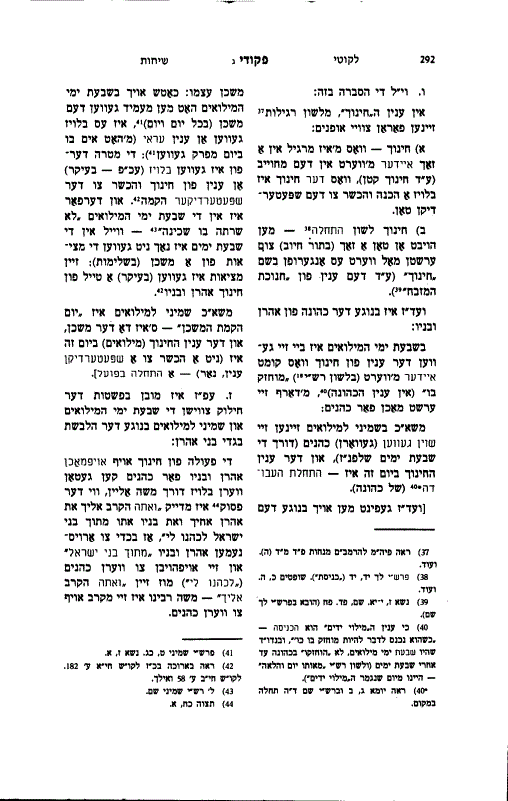
In the closing of the book of Exodus, Parshat Pekudei, the Torah describes the historic moment the Mishkan (Tabernacle) was finally erected. The verse states that Moshe dressed Aharon’s sons in their Ketonot (tunics).
This presents a glaring difficulty: A common Kohen requires four garments to serve (the tunic, belt, turban, and pants). In previous descriptions of the inauguration (in Parshat Tetzaveh and Parshat Tzav), the Torah explicitly lists Moshe dressing them in all four. Why, at the actual moment the Mishkan stands, does the Torah mention only the tunic?
Challenging the Commentaries
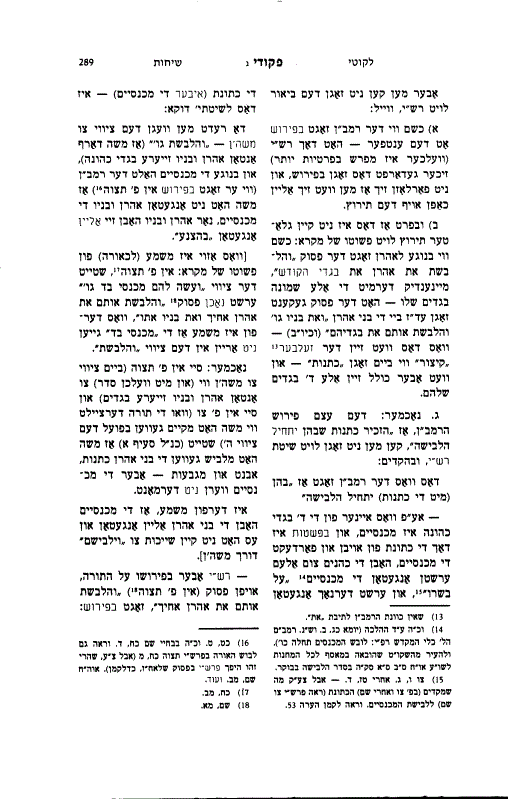
The Ramban suggests the Torah is simply being brief, mentioning the tunic only because it is the first garment put on. However, the Rebbe explains that this doesn't fit the precision of Rashi.
-
First, if the Torah wanted to be brief, it could have said "their garments," which is just as short but more inclusive.
-
Second, according to Rashi’s view, the tunic wasn't even the first garment Moshe put on them—the pants (Michnasayim) were.
A New Resolution: The Eighth Day vs. The Seven Days
The Rebbe introduces a "Gevaldike Chiddush" (a powerful new insight). There is a fundamental difference between the Seven Days of Inauguration and the Eighth Day (Rosh Chodesh Nisan):
-
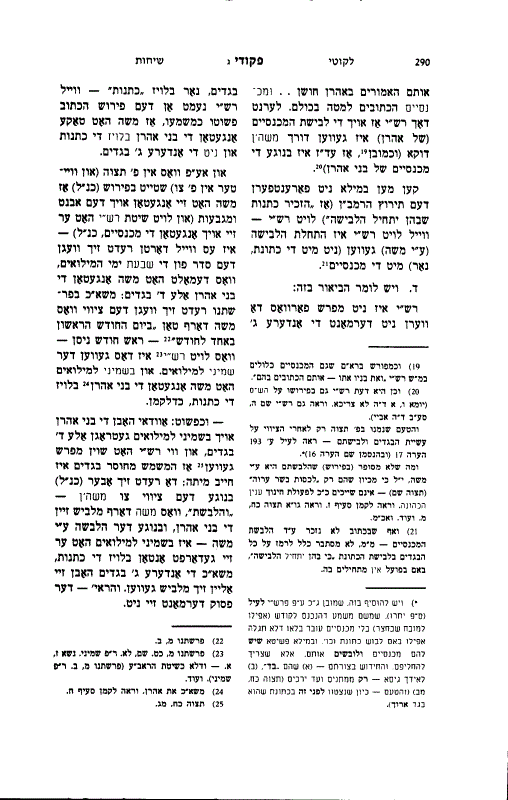
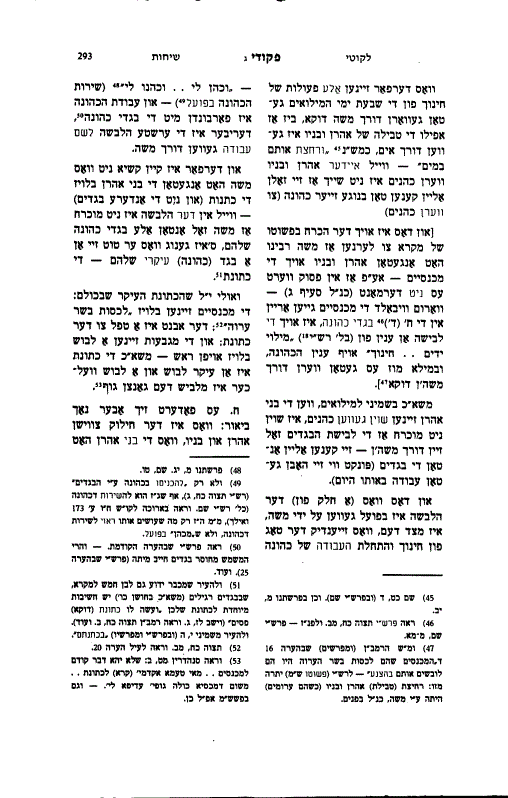
The Seven Days (Preparation): During this week, Aharon and his sons were not yet fully Kohanim. They were "minors" in training. Because they lacked the legal status of Priests, they couldn't even dress themselves in the sacred vestments. Moshe, the "perfect Kohen," had to do every single detail for them—including putting on their pants.
-
The Eighth Day (Actuality): On the eighth day, the training was over. They were now full-fledged Kohanim. Therefore, they were capable of dressing themselves.
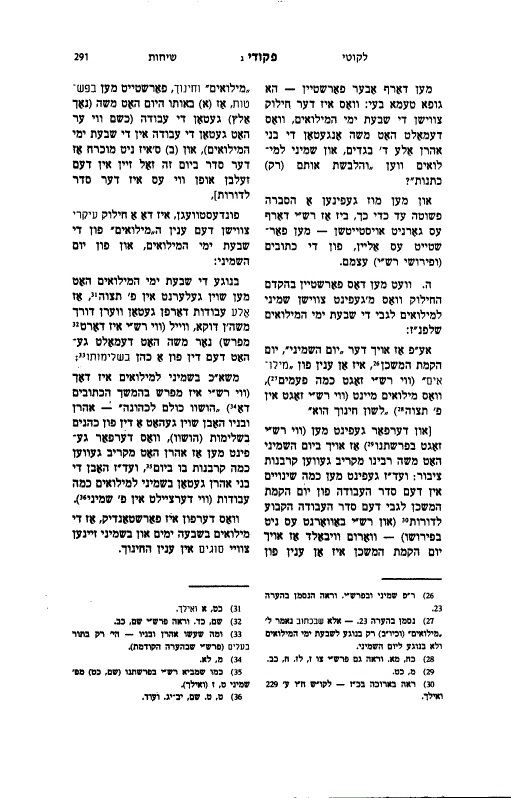
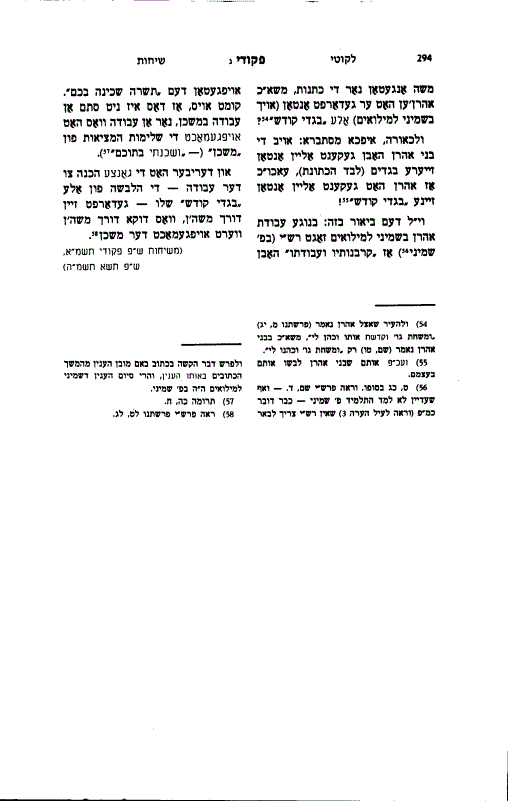
So why did Moshe dress them in the tunics at all? The Rebbe explains that the eighth day represented a second level of Chinuch (education/dedication). While they were already Priests, this was the first time they were performing the actual service. To bridge the gap between "trainee" and "practitioner," Moshe—the source of their sanctity—dressed them in the primary garment (the tunic). This single act by Moshe empowered them to put on the remaining garments themselves and begin their lifelong service.
The Kohen Gadol Exception
If the Priests could dress themselves on the eighth day, why did Moshe still dress Aharon in all eight of his garments? The Rebbe explains that the service of the High Priest on that day was what finally caused the Shechinah (Divine Presence) to dwell among Israel. Since the resting of the Shechinah is the ultimate goal of the Mishkan—which Moshe himself built—every detail of the High Priest's preparation for that specific moment had to be channeled through Moshe personally.
Summary
While the first seven days of the Mishkan were a "dry run" where Moshe had to do everything, the eighth day was the start of the actual mission. On this day, the Kohanim were empowered to take ownership of their service. Moshe dressed them only in the Ketonot to initiate their status, leaving the rest to them. However, for Aharon the High Priest, whose service brought the Infinite Light into the Tabernacle, Moshe remained fully involved, dressing him in every garment to ensure the Shechinah found its permanent home.