
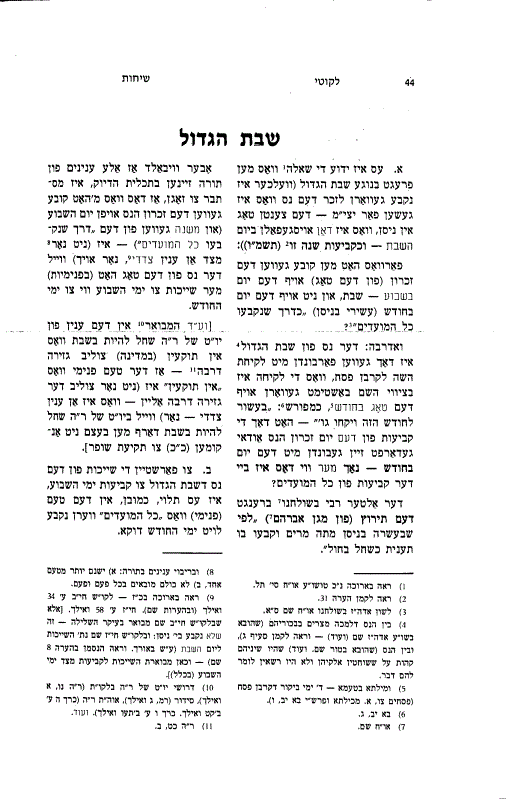
In Likkutei Sichos, Volume Twenty-Seven, in the sicha for Shabbos HaGadol, the Rebbe discusses the miracle connected with the Egyptian firstborn. When the Jewish people took the lamb for the Korban Pesach on the tenth of Nissan and tied it to their beds, the Egyptian firstborn approached them and asked why they were doing so. The Jews explained that this lamb would be brought as a sacrifice to Hashem and that Hashem would soon strike the Egyptian firstborn if Pharaoh would not release the Jewish people.
Hearing this, the Egyptian firstborn went to Pharaoh and demanded that he release the Jews so that they themselves would not die. Pharaoh refused. As a result, the firstborn fought against the Egyptians and killed many of them. This internal conflict within Egypt is the miracle remembered on the Shabbos before Pesach, known as Shabbos HaGadol.
A well-known question arises. The miracle took place on the tenth of Nissan, which that year fell on Shabbos. Why then do we commemorate the miracle specifically on the Shabbos before Pesach rather than on the tenth of Nissan itself? All other festivals are established according to the day of the month rather than according to the day of the week. For example, we celebrate Pesach on the fifteenth of Nissan regardless of which weekday it falls on.
Furthermore, the connection between the miracle and the tenth of Nissan appears particularly strong. The Torah commanded the Jewish people to take the lamb for the Korban Pesach on the tenth of Nissan. This action triggered the confrontation with the Egyptian firstborn that led to the miracle. Therefore, it would seem logical that the commemoration should be fixed on the tenth of Nissan.
The Alter Rebbe, in his Shulchan Aruch, cites the explanation of the Magen Avraham. Miriam passed away on the tenth of Nissan, and a fast day was established for that date when it falls on a weekday. Because of this, the commemoration of the miracle could not be fixed on that day. Therefore, it was established on the Shabbos preceding Pesach.
However, the Rebbe explains that in Torah nothing is accidental. If the commemoration was established specifically on Shabbos rather than on the tenth of Nissan, there must be an intrinsic reason for this. The miracle itself must have a deeper connection to the cycle of the week rather than to the cycle of the month.
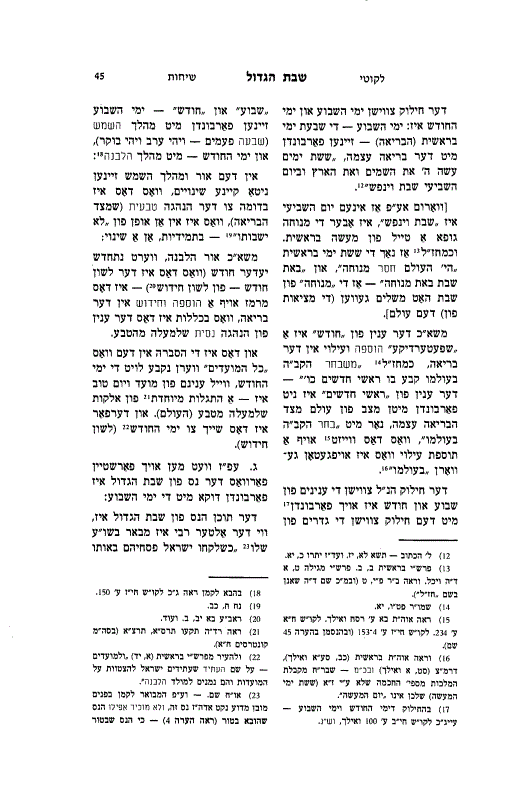
To understand this, the Rebbe explains the difference between the days of the week and the days of the month.
The seven days of the week are part of the original structure of creation. Hashem created the world in six days and rested on the seventh day. Even the rest of Shabbos is part of creation, because the world itself required completion through rest. Thus the entire weekly cycle belongs to the natural order of the world.
The concept of the month, however, represents something additional to creation. The cycle of the moon reflects renewal. The moon diminishes and then renews itself each month. The very word “chodesh” is related to “chidush,” meaning renewal or novelty. Therefore, the festivals of the Jewish calendar, which represent new revelations of Divine energy beyond the regular order of nature, are fixed according to the days of the month.
The weekly cycle represents the steady and consistent order of nature, while the monthly cycle represents renewal and miraculous revelation.
With this distinction, we can understand the miracle of Shabbos HaGadol.
When the Egyptian firstborn heard the warning that they would be struck, their belief was natural. They had already witnessed the previous plagues and had seen that Moshe’s warnings had been fulfilled. Therefore, it was logical for them to believe that the threat of the plague of the firstborn would also come true.
Similarly, when Pharaoh refused to release the Jewish people, it was natural for the firstborn to fight in order to save their own lives. Their reaction was not a supernatural event but a natural response to a life-threatening situation.
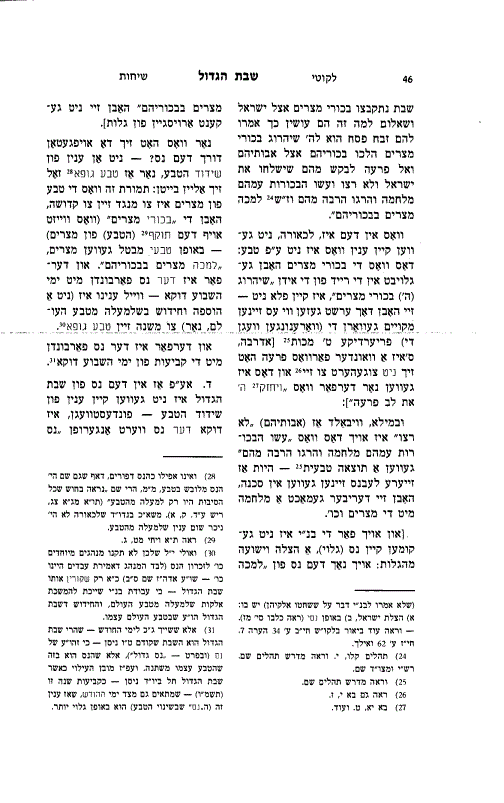
Even from the perspective of the Jewish people, this event did not directly bring about their immediate redemption. Therefore, the miracle does not appear to be an open supernatural event.
The deeper miracle was that the nature of Egypt itself changed. The firstborn—the very representatives of Egyptian power—turned against their own nation and demanded that the Jewish people be released. Instead of opposing holiness, the forces of Egypt themselves began pushing toward the redemption of the Jewish people.
This miracle did not break nature. Rather, it transformed nature itself.
For this reason, the miracle is associated with the days of the week, which represent the natural order of creation.
Nevertheless, it is called a great miracle, a nes gadol.
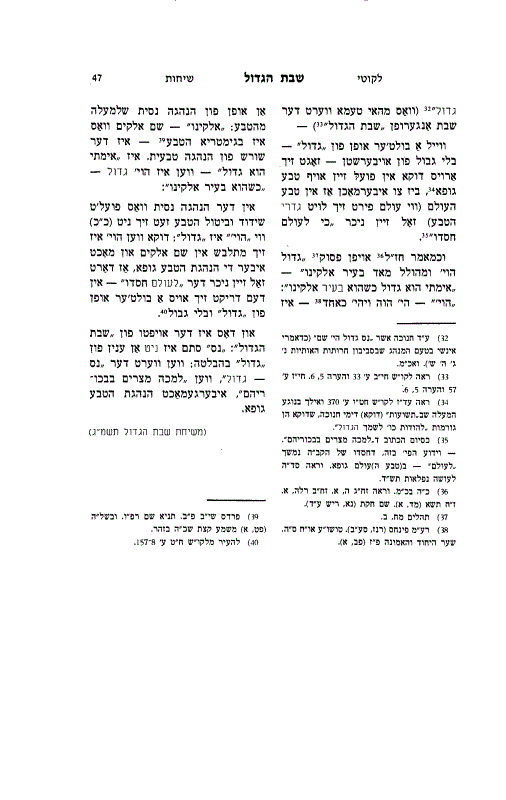
The Rebbe explains that the greatest revelation of Hashem’s power is not when nature is suspended but when nature itself is transformed to reveal the Divine will. When the world, functioning according to its own natural laws, becomes a vehicle for holiness, the greatness of Hashem is revealed most profoundly.
Our Sages interpret the verse, “Great is Hashem and greatly praised in the city of our G‑d.” The Divine name Havayah represents the infinite essence of Hashem, while the name Elokim represents the concealment of G‑dliness within nature. The numerical value of Elokim is the same as the word “hateva,” meaning nature.
Hashem’s greatness is most clearly revealed when Havayah is expressed within Elokim—when the Divine is revealed within the natural order of the world.
This is the meaning of the miracle of Shabbos HaGadol. The Egyptian firstborn themselves struck Egypt. Nature itself was transformed.
That transformation of nature is the greatest miracle of all, and for this reason the Shabbos before Pesach is called Shabbos HaGadol, the Great Shabbos.
Summary
The Rebbe explains that the miracle of Shabbos HaGadol is commemorated on the day of the week because its message relates to the natural order represented by the weekly cycle. Unlike miracles that break nature, this miracle transformed nature itself, when the Egyptian firstborn turned against their own nation. The greatest expression of Hashem’s power is when nature itself becomes a vessel for the Divine will.
תרגום עברי מלא
בליקוטי שיחות חלק כ״ז, בשיחה על שבת הגדול, דן הרבי בנס שאירע לפני יציאת מצרים הקשור לבכורי מצרים. כאשר בני ישראל לקחו את השה לקרבן פסח בעשירי בניסן וקשרו אותו למיטותיהם, באו בכורי מצרים ושאלו אותם מדוע הם עושים זאת. בני ישראל הסבירו להם שזהו קרבן פסח לה׳ ושעתיד הקב״ה להכות את בכורי מצרים אם פרעה לא ישלח את בני ישראל.
כששמעו זאת בכורי מצרים, הלכו אל פרעה ודרשו ממנו שישלח את בני ישראל כדי שלא ימותו הם עצמם. פרעה סירב. בעקבות זאת נלחמו הבכורים במצרים והרגו רבים מהם. מלחמה פנימית זו בתוך מצרים היא הנס שאנו זוכרים בשבת שלפני פסח הנקראת שבת הגדול.
מתעוררת שאלה ידועה: הנס התרחש בעשירי בניסן, ובאותה שנה חל יום זה בשבת. אם כן מדוע אנו מציינים את הנס דווקא בשבת שלפני פסח ולא ביום העשירי בניסן עצמו? הרי כל המועדים נקבעים לפי יום בחודש ולא לפי יום בשבוע. כך למשל חג הפסח נחגג תמיד בט״ו בניסן בלי קשר ליום בשבוע שבו הוא חל.
יתרה מזו, הקשר בין הנס לבין יום העשירי בניסן נראה חזק במיוחד. התורה מצווה לקחת את השה לקרבן פסח בעשירי בניסן, ומעשה זה הוא שגרם לעימות עם בכורי מצרים שהוביל לנס. לכן היה נראה הגיוני לקבוע את זכר הנס ביום זה.
האדמו״ר הזקן מביא בשולחן ערוך את דברי המגן אברהם: מרים נפטרה בעשירי בניסן, ונקבע יום זה כיום תענית כאשר הוא חל ביום חול. לכן לא ניתן היה לקבוע את זכר הנס ביום זה, ולכן נקבע הזיכרון בשבת שלפני פסח.
אך הרבי מסביר שבתורה אין דבר מקרי. אם קבעו את זכר הנס דווקא בשבת ולא בעשירי בניסן, הרי שיש לכך טעם פנימי. יש קשר מהותי בין הנס הזה לבין מחזור ימי השבוע דווקא.
כדי להבין זאת מבאר הרבי את ההבדל בין ימי השבוע לבין ימי החודש.
שבעת ימי השבוע הם חלק ממבנה הבריאה עצמה. הקב״ה ברא את העולם בשישה ימים ונח ביום השביעי. גם מנוחת השבת היא חלק מהשלמת הבריאה, שכן העולם היה חסר את עניין המנוחה עד שבאה שבת. לכן כל מחזור השבוע שייך לסדר הטבעי של העולם.
לעומת זאת, מושג החודש מייצג תוספת על הבריאה. מחזור הלבנה מבטא חידוש מתמיד. הלבנה מתמעטת ומתחדשת בכל חודש. עצם המילה “חודש” קשורה למילה “חידוש”. לכן המועדים, שהם גילוי מיוחד של אלוקות למעלה מסדר הטבע, נקבעים לפי ימי החודש.
מחזור השבוע מייצג את סדר הטבע הקבוע, ואילו מחזור החודש מייצג חידוש וגילוי שלמעלה מן הטבע.
לאור זאת ניתן להבין את נס שבת הגדול.
כאשר שמעו בכורי מצרים על האיום של מכת בכורות, האמונה שלהם הייתה טבעית. הם כבר ראו כיצד התקיימו אזהרותיו של משה במכות הקודמות. לכן היה הגיוני להאמין שגם אזהרה זו תתקיים.
גם תגובתם להילחם במצרים כאשר פרעה סירב לשלח את בני ישראל הייתה תגובה טבעית של אנשים הנלחמים על חייהם.
אפילו מבחינת בני ישראל, המאורע לא הביא מיד לגאולה. לכן אין כאן נס גלוי השובר את הטבע.
הנס העמוק יותר היה שטבע מצרים עצמו השתנה. הבכורים – המייצגים את כוח מצרים – פנו נגד עמם ודרשו לשחרר את בני ישראל. במקום להתנגד לקדושה, כוחות מצרים עצמם דחפו לגאולת ישראל.
זה לא היה נס ששבר את הטבע אלא נס ששינה את הטבע עצמו.
לכן נס זה קשור לימי השבוע, המייצגים את סדר הטבע של הבריאה.
ובכל זאת נקרא נס זה נס גדול.
הרבי מסביר שהגילוי הגדול ביותר של כוחו של הקב״ה איננו כאשר הטבע מתבטל, אלא כאשר הטבע עצמו משתנה ומגלה את רצון ה׳. כאשר העולם עצמו פועל במסגרת חוקי הטבע שלו ובכל זאת נעשה כלי לגילוי אלוקות – אז מתגלה גדולתו של הקב״ה באופן העמוק ביותר.
חז״ל דורשים על הפסוק “גדול ה׳ ומהולל מאוד בעיר אלוקינו”. שם הוי׳ מייצג את האין־סוף האלוקי, ושם אלוקים מייצג את ההסתר האלוקי שבטבע. הגימטריה של “אלוקים” היא כגימטריה של המילה “הטבע”.
גדולתו של הקב״ה מתגלה ביותר כאשר שם הוי׳ מתגלה בתוך שם אלוקים – כאשר האלוקות מתגלה בתוך סדר הטבע עצמו.
זהו עניינו של נס שבת הגדול: בכורי מצרים עצמם היכו את מצרים. הטבע עצמו השתנה.
ושינוי הטבע עצמו הוא הנס הגדול ביותר – ולכן נקראת שבת זו שבת הגדול.