ח כִּ֤י תִבְנֶה֙ בַּ֣יִת חָדָ֔שׁ וְעָשִׂ֥יתָ מַֽעֲקֶ֖ה לְגַגֶּ֑ךָ וְלֹֽא־תָשִׂ֤ים דָּמִים֙ בְּבֵיתֶ֔ךָ כִּֽי־יִפֹּ֥ל הַנֹּפֵ֖ל מִמֶּֽנּוּ׃
(ח) כי תבנה בית חדש - אם קיימת מצוות "שלוח הקן", סופך לבנות בית חדש, ותקיים מצוות "מעקה". שמצווה גוררת מצווה. ותגיע לכרם, ושדה, ולבגדים נאים. לכך נסמכו פרשיות הללו:
מעקה - גדר סביב לגג. ואונקלוס תרגם, "תיקא". כעין תיק, שמשמר מה שבתוכו:
כי יפול הנופל - ראוי זה ליפול. ואף על פי כן, לא תתגלגל מיתתו על ידך. שמגלגלין זכות על ידי זכאי, וחובה על ידי חייב:[1][2]
ט לֹֽא־תִזְרַ֥ע כַּרְמְךָ֖ כִּלְאָ֑יִם פֶּן־תִּקְדַּ֗שׁ הַֽמְלֵאָ֤ה הַזֶּ֨רַע֙ אֲשֶׁ֣ר תִּזְרָ֔ע וּתְבוּאַ֖ת הַכָּֽרֶם׃ {ס}
(ט) כלאים - חיטה ושעורה וחרצן, במפולת יד:
פן תקדש - כתרגומו: תסתאב. כל דבר הנתעב על האדם, בין לשבח, כגון הקדש, בין לגנאי, כגון איסור, נופל בו לשון "קדש". כמו, (ישעיה סה, ה) "אל תגע בי כי קדשתיך":
המלאה - זה מילוי ותוספת שהזרע מוסיף:
[[3]]
י לֹֽא־תַחֲרֹ֥שׁ בְּשׁוֹר־וּבַֽחֲמֹ֖ר יַחְדָּֽו׃[4]
(י) לא תחרוש בשור ובחמור - הוא הדין לכל שני מינים שבעולם. והוא הדין, להנהיגם יחד קשורים זוגים, בהולכת שום משא:
יא לֹ֤א תִלְבַּשׁ֙ שַֽׁעַטְנֵ֔ז[6] צֶ֥מֶר וּפִשְׁתִּ֖ים יַחְדָּֽו׃ {ס}
(יא) שעטנז - לשון עירוב. ורבותינו פירשו: שוע טווי ונוז:
יב גְּדִלִ֖ים תַּֽעֲשֶׂה־לָּ֑ךְ[7] עַל־אַרְבַּ֛ע כַּנְפ֥וֹת כְּסֽוּתְךָ֖ אֲשֶׁ֥ר תְּכַסֶּה־בָּֽהּ׃ {ס}
(יב) גדלים תעשה לך - אף מן הכלאים. לכך סמכן הכתוב:
יג כִּֽי־יִקַּ֥ח אִ֖ישׁ אִשָּׁ֑ה וּבָ֥א אֵלֶ֖יהָ וּשְׂנֵאָֽהּ׃
(יג) ובא אליה ושנאה - סופו:
יד וְשָׂ֥ם לָהּ֙ עֲלִילֹ֣ת דְּבָרִ֔ים[8] וְהוֹצִ֥א עָלֶ֖יהָ שֵׁ֣ם רָ֑ע וְאָמַ֗ר אֶת־הָֽאִשָּׁ֤ה הַזֹּאת֙ לָקַ֔חְתִּי וָֽאֶקְרַ֣ב אֵלֶ֔יהָ וְלֹֽא־מָצָ֥אתִי לָ֖הּ בְּתוּלִֽים׃
(יד) ושם לה עלילות דברים - עבירה גוררת עבירה. עבר על "לא תשנא", [9], סופו לבא לידי לשון הרע:
את האשה הזאת - מכאן, שאין אומר דבר, אלא בפני בעל דין:
טו וְלָקַ֛ח אֲבִ֥י הַֽנַּעֲרָ֖ וְאִמָּ֑הּ וְהוֹצִ֜יאוּ אֶת־בְּתוּלֵ֧י הַֽנַּעֲרָ֛ אֶל־זִקְנֵ֥י הָעִ֖יר הַשָּֽׁעְרָה׃
(טו) אבי הנערה ואמה - מי שגדלו גידולים הרעים, יתבזו עליה:
טז וְאָמַ֛ר אֲבִ֥י הַֽנַּעֲרָ֖ אֶל־הַזְּקֵנִ֑ים אֶת־בִּתִּ֗י נָתַ֜תִּי לָאִ֥ישׁ הַזֶּ֛ה לְאִשָּׁ֖ה וַיִּשְׂנָאֶֽהָ׃
(טז) ואמר אבי הנערה - מלמד, שאין רשות לאשה לדבר בפני האיש:
[10]
יז וְהִנֵּה־ה֡וּא שָׂם֩ עֲלִילֹ֨ת דְּבָרִ֜ים לֵאמֹ֗ר לֹֽא־מָצָ֤אתִי לְבִתְּךָ֙ בְּתוּלִ֔ים וְאֵ֖לֶּה בְּתוּלֵ֣י בִתִּ֑י וּפָֽרְשׂוּ֙ הַשִּׂמְלָ֔ה לִפְנֵ֖י זִקְנֵ֥י הָעִֽיר׃
(יז) ופרשו השמלה - הרי זה משל, מחוורין הדברים כשמלה:
יח וְלָ֥קְח֛וּ זִקְנֵ֥י הָֽעִיר־הַהִ֖וא אֶת־הָאִ֑ישׁ וְיִסְּר֖וּ אֹתֽוֹ׃
(יח) ויסרו אותו - מלקות:
יט וְעָֽנְשׁ֨וּ אֹת֜וֹ מֵ֣אָה כֶ֗סֶף[11] וְנָֽתְנוּ֙ לַֽאֲבִ֣י הַֽנַּעֲרָ֔ה כִּ֤י הוֹצִיא֙ שֵׁ֣ם רָ֔ע עַ֖ל בְּתוּלַ֣ת יִשְׂרָאֵ֑ל וְלֽוֹ־תִהְיֶ֣ה לְאִשָּׁ֔ה לֹֽא־יוּכַ֥ל לְשַׁלְּחָ֖הּ כָּל־יָמָֽיו׃ {ס}
כ וְאִם־אֱמֶ֣ת הָיָ֔ה הַדָּבָ֖ר הַזֶּ֑ה לֹֽא־נִמְצְא֥וּ בְתוּלִ֖ים לַֽנַּעֲרָֽ׃
(כ) ואם אמת היה הדבר - בעדים והתראה, שזנתה לאחר אירוסין:
כא וְהוֹצִ֨יאוּ אֶת־הַֽנַּעֲרָ֜ אֶל־פֶּ֣תַח בֵּית־אָבִ֗יהָ וּסְקָלוּהָ֩ אַנְשֵׁ֨י עִירָ֤הּ בָּֽאֲבָנִים֙ וָמֵ֔תָה כִּֽי־עָשְׂתָ֤ה נְבָלָה֙ בְּיִשְׂרָאֵ֔ל לִזְנ֖וֹת בֵּ֣ית אָבִ֑יהָ וּבִֽעַרְתָּ֥ הָרָ֖ע מִקִּרְבֶּֽךָ׃ {ס}
(כא) אל פתח בית אביה - ראו גידולים שגדלתם:
וסקלוה אנשי עירה - במעמד כל אנשי עירה:
לזנות בית אביה - כמו בבית אביה:
כב כִּֽי־יִמָּצֵ֨א אִ֜ישׁ שֹׁכֵ֣ב ׀ עִם־אִשָּׁ֣ה בְעֻֽלַת־בַּ֗עַל וּמֵ֨תוּ֙ גַּם־שְׁנֵיהֶ֔ם הָאִ֛ישׁ הַשֹּׁכֵ֥ב עִם־הָֽאִשָּׁ֖ה וְהָֽאִשָּׁ֑ה וּבִֽעַרְתָּ֥ הָרָ֖ע מִיִּשְׂרָאֵֽל׃ {ס}
(כב) ומתו גם שניהם - להוציא מעשה חידודים, שאין האשה נהנית מהם:
גם - לרבות הבאים מאחריהם. דבר אחר. "גם שניהם" לרבות את הולד. שאם הייתה מעוברת, אין ממתינין לה עד שתלד:
כג כִּ֤י יִֽהְיֶה֙ נַֽעֲרָ֣ בְתוּלָ֔ה מְאֹֽרָשָׂ֖ה לְאִ֑ישׁ וּמְצָאָ֥הּ אִ֛ישׁ בָּעִ֖יר וְשָׁכַ֥ב עִמָּֽהּ׃
(כג) ומצאה איש בעיר - לפיכך "שכב עמה". פרצה קוראה לגנב. הא אילו ישבה בביתה, לא אירע לה:
כד וְהֽוֹצֵאתֶ֨ם אֶת־שְׁנֵיהֶ֜ם אֶל־שַׁ֣עַר ׀ הָעִ֣יר הַהִ֗וא וּסְקַלְתֶּ֨ם אֹתָ֥ם בָּֽאֲבָנִים֮ וָמֵתוּ֒ אֶת־הַֽנַּעֲרָ֗ עַל־דְּבַר֙ אֲשֶׁ֣ר לֹֽא־צָעֲקָ֣ה בָעִ֔יר וְאֶ֨ת־הָאִ֔ישׁ עַל־דְּבַ֥ר אֲשֶׁר־עִנָּ֖ה אֶת־אֵ֣שֶׁת רֵעֵ֑הוּ וּבִֽעַרְתָּ֥ הָרָ֖ע מִקִּרְבֶּֽךָ׃ {ס}[12]
כה וְֽאִם־בַּשָּׂדֶ֞ה יִמְצָ֣א הָאִ֗ישׁ אֶת־הַֽנַּעֲרָ֙ הַמְאֹ֣רָשָׂ֔ה וְהֶחֱזִֽיק־בָּ֥הּ הָאִ֖ישׁ וְשָׁכַ֣ב עִמָּ֑הּ וּמֵ֗ת הָאִ֛ישׁ אֲשֶׁר־שָׁכַ֥ב עִמָּ֖הּ לְבַדּֽוֹ׃
כו וְלַֽנַּעֲרָ֙ לֹֽא־תַעֲשֶׂ֣ה דָבָ֔ר אֵ֥ין לַֽנַּעֲרָ֖ חֵ֣טְא מָ֑וֶת כִּ֡י כַּֽאֲשֶׁר֩ יָק֨וּם אִ֤ישׁ עַל־רֵעֵ֨הוּ֙ וּרְצָח֣וֹ נֶ֔פֶשׁ כֵּ֖ן הַדָּבָ֥ר הַזֶּֽה׃
(כו) כי כאשר יקום וגו' - לפי פשוטו, זהו משמעו, כי אנוסה היא, ובחזקה עמד עליה. כאדם העומד על חברו להרגו. ורבותינו דרשו בו, הרי זה בא ללמד ונמצא למד וכו'.[13]
כז כִּ֥י בַשָּׂדֶ֖ה מְצָאָ֑הּ[14] צָֽעֲקָ֗ה הַֽנַּעֲרָ֙ הַמְאֹ֣רָשָׂ֔ה וְאֵ֥ין מוֹשִׁ֖יעַ לָֽהּ׃ {ס}[15]
כח כִּֽי־יִמְצָ֣א אִ֗ישׁ נַֽעֲרָ֤ בְתוּלָה֙ אֲשֶׁ֣ר לֹֽא־אֹרָ֔שָׂה וּתְפָשָׂ֖הּ וְשָׁכַ֣ב עִמָּ֑הּ וְנִמְצָֽאוּ׃
כט וְ֠נָתַן הָאִ֨ישׁ הַשֹּׁכֵ֥ב עִמָּ֛הּ לַֽאֲבִ֥י הַֽנַּעֲרָ֖ חֲמִשִּׁ֣ים כָּ֑סֶף[16] וְלֽוֹ־תִהְיֶ֣ה לְאִשָּׁ֗ה תַּ֚חַת אֲשֶׁ֣ר עִנָּ֔הּ לֹֽא־יוּכַ֥ל שַׁלְּחָ֖הּ כָּל־יָמָֽיו׃ {ס}
דברים פרק כג
א לֹֽא־יִקַּ֥ח אִ֖ישׁ אֶת־אֵ֣שֶׁת אָבִ֑יו וְלֹ֥א יְגַלֶּ֖ה כְּנַ֥ף אָבִֽיו׃ {ס}
(א) לא יקח - אין לו בה לקוחין ואין קידושין תופסין בה:
ולא יגלה כנף אביו - שומרת יבם של אביו, הראויה לאביו. והרי כבר הוזהר עליה משום [17] "ערות אחי אביך"? אלא, לעבור על זו בשני לאוין. ולסמוך לה, (פסוק ג) "לא יבא ממזר". ללמד, שאין ממזר אלא מחייבי כריתות. וקל וחומר מחייבי מיתות בית דין. שאין בעריות מיתת בית דין שאין בה כרת:[18]
ב לֹֽא־יָבֹ֧א פְצֽוּעַ־דַּכָּ֛א וּכְר֥וּת שָׁפְכָ֖ה בִּקְהַ֥ל יְהוָֽה׃ {ס}
(ב) פצוע דכה - שנפצעו או שנדכאו ביצים שלו:
וכרות שפכה - שנכרת הגיד, ושוב אינו יורה קילוח זרע, אלא שופך ושותת. ואינו מוליד:
[19]]
ג לֹֽא־יָבֹ֥א מַמְזֵ֖ר בִּקְהַ֣ל יְהוָ֑ה גַּ֚ם דּ֣וֹר עֲשִׂירִ֔י לֹא־יָ֥בֹא ל֖וֹ בִּקְהַ֥ל יְהוָֽה׃ {ס}
(ג) לא יבא ממזר בקהל ה' - לא ישא ישראלית:
ד לֹֽא־יָבֹ֧א עַמּוֹנִ֛י וּמֽוֹאָבִ֖י בִּקְהַ֣ל יְהוָ֑ה גַּ֚ם דּ֣וֹר עֲשִׂירִ֔י לֹֽא־יָבֹ֥א לָהֶ֛ם בִּקְהַ֥ל יְהוָ֖ה עַד־עוֹלָֽם׃
(ד) לא יבא עמוני - לא ישא ישראלית:
[20]
ה עַל־דְּבַ֞ר אֲשֶׁ֨ר לֹֽא־קִדְּמ֤וּ אֶתְכֶם֙ בַּלֶּ֣חֶם וּבַמַּ֔יִם בַּדֶּ֖רֶךְ בְּצֵֽאתְכֶ֣ם מִמִּצְרָ֑יִם וַֽאֲשֶׁר֩ שָׂכַ֨ר עָלֶ֜יךָ אֶת־בִּלְעָ֣ם בֶּן־בְּע֗וֹר מִפְּת֛וֹר אֲרַ֥ם נַֽהֲרַ֖יִם לְקַֽלְלֶֽךָּ׃
(ה) על דבר - על העצה שיעצו אתכם, להחטיאכם:
בדרך - כשהייתם בטירוף:
ו וְלֹֽא־אָבָ֞ה יְהוָ֤ה אֱלֹהֶ֨יךָ֙ לִשְׁמֹ֣עַ אֶל־בִּלְעָ֔ם וַיַּֽהֲפֹךְ֩ יְהוָ֨ה אֱלֹהֶ֧יךָ לְּךָ֛ אֶת־הַקְּלָלָ֖ה לִבְרָכָ֑ה כִּ֥י אֲהֵֽבְךָ֖ יְהוָ֥ה אֱלֹהֶֽיךָ׃
ז לֹֽא־תִדְרֹ֥שׁ שְׁלֹמָ֖ם וְטֹֽבָתָ֑ם כָּל־יָמֶ֖יךָ לְעוֹלָֽם׃ {ס}
(ז) לא תדרוש שלומם - מכלל שנאמר, (פסוק יז) "עמך ישב בקרבך". יכול אף זה כן? תלמוד לומר: "לא תדרוש שלומם":[21]
____________
- 1 ספר המצוות מל"ת רחצ
- 2 ספר המצוות מ"ע קפד
- 3 ברכות כב, א
- 4 עיין לקו"ש חלק כ"ד, תצא ד ביאור פסוק זה
- 5 רש"י במדבר כ"ג,י
- 6 רש"י שמות כ, ח
- 7 רש"י שמות כ, ח
- 8 רש"י בראשית מג, יח
- 9 ויקרא יט, יז
- 10 רש"י ברכות כז, א
- 11 רש"י שמות כא, כב
- 12 ספר המצוות, מ"ע רכט
- 13 ספר המצוות מל"ת רצג
- 14 רש"י שמות כב, ל
- 15 ספר המצוות מל"ת רצג
- 16 רש"י שמות כב, טז
- 17 ויקרא יח, יד
- 18 ברכות כא, ב
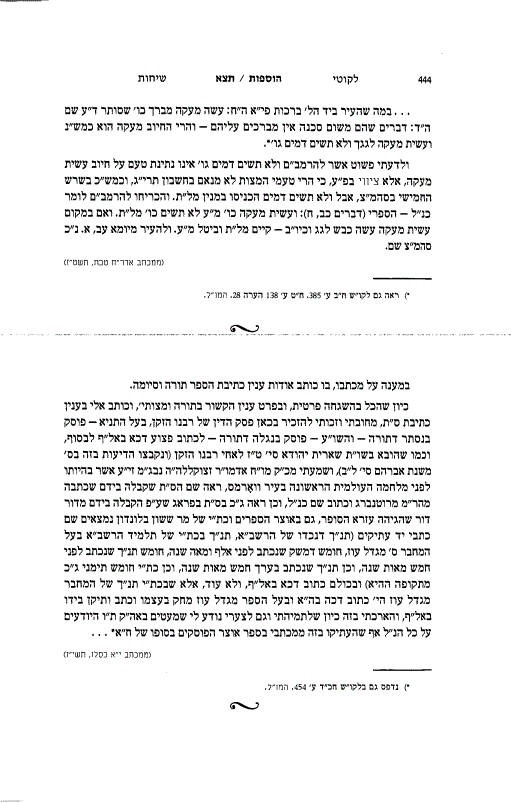
- 19 עיין למטה בסוף העמוד מלקו"ש חלק כ"ט עמוד 444 מענין כתיבת דכא באלף ולא בהא
- 20 ברכות כח,א
- 21 ספר המצוות מל"ת נו
We are beginning the third portion of Parshas Ki Seitzei. Previously, we learned about the mitzvah of sending away the mother bird when she is over her nest with her young. At the end of that mitzvah, as a reward, the Torah says you will end up building a new house and fulfill the mitzvah of making a protective fence. The idea is that one mitzvah leads to another mitzvah, and eventually, you will also reach the mitzvos that pertain to an orchard, a field, and to beautiful clothing, fulfilling the mitzvos that apply to them as we will learn later on. This is why these portions are placed next to each other in the Torah—to teach that one mitzvah brings you to another, and you earn all these other blessings as a result.
ח כִּ֤י תִבְנֶה֙ בַּ֣יִת חָדָ֔שׁ וְעָשִׂ֥יתָ מַֽעֲקֶ֖ה לְגַגֶּ֑ךָ וְלֹֽא־תָשִׂ֤ים דָּמִים֙ בְּבֵיתֶ֔ךָ כִּֽי־יִפֹּ֥ל הַנֹּפֵ֖ל מִמֶּֽנּוּ׃
The verse says: When you build a new house, you should make a fence around your roof, so that you do not bring blood upon your house if someone falls from it. The Torah is teaching that when you build a new home, you have a responsibility to make it safe. Specifically, you must put a fence around the roof to prevent accidents, so that nobody falls off and gets hurt or killed. The Torah is concerned not just with ritual matters but also with practical safety in everyday life. By making a fence, you are preventing tragedy and not causing blood to be spilled in your home. The Torah calls the person who falls 'the one who falls,' even before he actually falls, which Rashi will explain further.
(ח) כי תבנה בית חדש - אם קיימת מצוות "שלוח הקן", סופך לבנות בית חדש, ותקיים מצוות "מעקה". שמצווה גוררת מצווה. ותגיע לכרם, ושדה, ולבגדים נאים. לכך נסמכו פרשיות הללו:
Rashi explains that if you fulfilled the mitzvah of Shiluach HaKen—sending away the mother bird—your reward will be that you will build a new house and then fulfill the mitzvah of Maakeh, making a fence. This is because one mitzvah brings another mitzvah in its wake. Eventually, you will also reach the mitzvos that pertain to a vineyard, a field, and to beautiful clothing, and you will fulfill the mitzvos that apply to them as well. This is the reason these sections of the Torah are placed next to each other: to show that one mitzvah leads to another, and by doing one, you are brought to do more and to receive further blessings.
מעקה - גדר סביב לגג. ואונקלוס תרגם, "תיקא". כעין תיק, שמשמר מה שבתוכו:
Rashi explains that Maakeh means a fence that surrounds the roof. Onkelos translates it as Tika, which is like a case or a container that protects what is inside. The idea is that the fence serves as a protective barrier, just like a case keeps its contents safe. The fence is there to prevent anyone from falling off the roof, just as a container prevents its contents from spilling out.
כי יפול הנופל - ראוי זה ליפול. ואף על פי כן, לא תתגלגל מיתתו על ידך. שמגלגלין זכות על ידי זכאי, וחובה על ידי חייב:
The verse says, 'When the one who falls will fall.' Rashi comments that even before the person actually falls, the Torah calls him 'the one who falls.' This means that this person was already deserving to fall, but even so, his death should not come about through you. In other words, even if it was decreed that he should fall, you should not be the cause of his death. The principle is that merit is brought about through someone who is meritorious, and guilt through someone who is guilty. Therefore, you must make sure that, despite the fact that this person was destined to fall, it should not happen on your property or through your negligence. You are responsible to prevent it by making the fence.
[ספר המצוות מל"ת רחצ] [ספר המצוות מ"ע קפד]
ט לֹֽא־תִזְרַ֥ע כַּרְמְךָ֖ כִּלְאָ֑יִם פֶּן־תִּקְדַּ֗שׁ הַֽמְלֵאָ֤ה הַזֶּ֨רַע֙ אֲשֶׁ֣ר תִּזְרָ֔ע וּתְבוּאַ֖ת הַכָּֽרֶם׃ {ס}
The verse says: Do not sow your vineyard with Kilayim—a mixture of different species—lest it become forbidden, the fullness, the seed that you have sown, and the produce of the vineyard. The Torah is warning not to plant mixtures in your vineyard, because if you do, the entire produce, both the seeds you planted and the grapes, will become prohibited. The word Kilayim refers to forbidden mixtures, and the Torah is very strict about not mixing species in planting.
(ט) כלאים - חיטה ושעורה וחרצן, במפולת יד:
Rashi explains that Kilayim in this context means wheat and barley and grape seeds, all thrown together in one handful. If you throw wheat and barley together in one throw, that itself is already considered Kilayim and is forbidden. But if you add grape seeds into the same throw, then you have a double mixture: wheat and barley, and also grape seeds. This is the specific forbidden mixture the Torah is talking about here.
פן תקדש - כתרגומו: תסתאב. כל דבר הנתעב על האדם, בין לשבח, כגון הקדש, בין לגנאי, כגון איסור, נופל בו לשון "קדש". כמו, (ישעיה סה, ה) "אל תגע בי כי קדשתיך":
The verse says, 'Lest it become Tikdash.' Rashi explains that, as the Targum translates, it means it will become unclean or prohibited. Anything that is repulsive or forbidden to a person, whether it is for praise, like something that is holy, or for a negative, like something that is prohibited, the Torah uses the language of Kodesh—sanctity or separation. For example, in Yeshayahu it says, 'Do not touch me because I have become sanctified,' meaning contaminated or off-limits. The word HaMeleiah—that which fills—refers to the fullness or the increase that comes from the seeds growing together. When they grow together as Kilayim, that increase is what becomes prohibited.
המלאה - זה מילוי ותוספת שהזרע מוסיף:
Rashi explains that the word "hamleiah" refers to the fullness and the increase that the seed adds. In other words, it is the increase that happens when the seeds grow together, and that is what becomes prohibited because it grows as kilayim, a forbidden mixture. So, "hamleiah" is describing the fullness or the increase that comes about from the seed multiplying or growing together with the other species, which is the issue with kilayim.
י לֹֽא־תַחֲרֹ֥שׁ בְּשׁוֹר־וּבַֽחֲמֹ֖ר יַחְדָּֽו׃
The verse says, "You shall not plow with an ox and a donkey together." The teacher explains that this means you are not allowed to plow with an ox and a donkey together, and the same rule applies to any two different types of animals in the world. Any two kinds, you cannot plow with them together. The prohibition is not limited just to an ox and a donkey, but applies to all pairs of different species. Furthermore, the same rule applies not only to plowing, but also to leading them together as a pair when they are tied together to carry any load. So, whether it is for plowing or for any other work, you cannot use two different species together.
(י) לא תחרוש בשור ובחמור - הוא הדין לכל שני מינים שבעולם. והוא הדין, להנהיגם יחד קשורים זוגים, בהולכת שום משא:
Rashi comments on the verse "lo sacharosh b'shor u'vachamor"—do not plow with an ox and a donkey together. He explains that the same rule applies to any two types of animals in the world, not just ox and donkey. Any two species, you cannot plow with them together. Rashi adds that this also applies to leading them together as a pair, when they are tied together to carry any load, not just for plowing. So, the prohibition is broader than just plowing; it includes any case where two different species are made to work together as a pair.
יא לֹ֤א תִלְבַּשׁ֙ שַֽׁעַטְנֵ֔ז צֶ֥מֶר וּפִשְׁתִּ֖ים יַחְדָּֽו׃ {ס}
The verse says, "You shall not wear shaatnez, wool and linen together." The teacher explains that shaatnez is a mixture of wool and linen. Rashi says that the word shaatnez is a language of mixture. Our sages explain that the word shaatnez is made up of three words: shu'a, tavi, and nuz, which means that the material was combed, spun, and woven together. The prohibition of wearing these mixtures is only if it was combed, spun, and woven together. So, the Torah is telling us that you cannot wear a garment that is made out of wool and linen that have been processed together in this way.
(יא) שעטנז - לשון עירוב. ורבותינו פירשו: שוע טווי ונוז:
Rashi explains that the word shaatnez is a language of mixture. Our masters have explained that the word shaatnez is made up of three words: shu'a, tavi, and nuz. This means that the prohibition of wearing these mixtures is only if the wool and linen were combed, spun, and woven together. Only when all three processes are done together does the prohibition of shaatnez apply.
יב גְּדִלִ֖ים תַּֽעֲשֶׂה־לָּ֑ךְ עַל־אַרְבַּ֛ע כַּנְפ֥וֹת כְּסֽוּתְךָ֖ אֲשֶׁ֥ר תְּכַסֶּה־בָּֽהּ׃ {ס}
The verse says, "You shall make twisted threads for yourself on the four corners of your garment with which you cover yourself." The teacher explains that this refers to the mitzvah of tzitzis, that you should make for yourself these twisted threads, the tzitzis, on the four corners of your garment. Rashi says that you should make gedilim—the tzitzis—even from kilayim, from a mixture. Therefore, the Torah placed this law of making tzitzis next to the prohibition of shaatnez to teach that for tzitzis, even if it is made out of the mixture, it is still permitted. So, the Torah is teaching that the mitzvah of tzitzis overrides the prohibition of shaatnez in this case.
(יב) גדלים תעשה לך - אף מן הכלאים. לכך סמכן הכתוב:
Rashi comments on the verse "gedilim ta'aseh lecha"—you should make twisted threads for yourself. He explains that this applies even from kilayim, from a mixture of wool and linen. That is why the Torah placed this law of making tzitzis immediately after the prohibition of shaatnez, to teach that for tzitzis, even if it is made out of the mixture, it is still permitted. The juxtaposition in the Torah is to show that the mitzvah of tzitzis can be fulfilled even with a garment that would otherwise be prohibited because of shaatnez.
יג כִּֽי־יִקַּ֥ח אִ֖ישׁ אִשָּׁ֑ה וּבָ֥א אֵלֶ֖יהָ וּשְׂנֵאָֽהּ׃
The verse says, "When a man marries a woman and is intimate with her, and then he hates her." The Torah is describing a case where a man takes a wife, has relations with her, and then afterwards develops a hatred towards her. The teacher explains that the sequence here is important: first, he marries her, then is with her, and then comes to hate her. This sets up the scenario for the following verses, where this hatred leads to further negative actions.
(יג) ובא אליה ושנאה - סופו:
Rashi comments on the phrase "Uva eileha usne'ah"—that he was with her and then hated her. Rashi says that the end result of this is that he will come to hate her. The teacher elaborates that this is the natural progression: after marrying and being with her, the hatred develops, and this is what leads to the next steps in the story. The Torah is showing us how one negative trait or action can lead to another, as will be seen in the next verse.
יד וְשָׂ֥ם לָהּ֙ עֲלִילֹ֣ת דְּבָרִ֔ים וְהוֹצִ֥א עָלֶ֖יהָ שֵׁ֣ם רָ֑ע וְאָמַ֗ר אֶת־הָֽאִשָּׁ֤ה הַזֹּאת֙ לָקַ֔חְתִּי וָֽאֶקְרַ֣ב אֵלֶ֔יהָ וְלֹֽא־מָצָ֥אתִי לָ֖הּ בְּתוּלִֽים׃
The verse continues: "And he makes up charges against her, and gives her a bad name, and says, 'I took this woman, and I came to her, and I did not find for her besulim' (evidence of virginity)." The teacher explains that after the man develops hatred for his wife, he fabricates accusations against her. He claims that when he married her and was with her, he did not find evidence of her virginity. This is a serious accusation, as it could have major consequences for the woman. The teacher emphasizes that this is the progression: hatred leads to slander and false accusations, and the Torah is warning us about how one sin can lead to another.
(יד) ושם לה עלילות דברים - עבירה גוררת עבירה. עבר על "לא תשנא", (ויקרא יט, יז), סופו לבא לידי לשון הרע:
Rashi explains the phrase "Vesam lah alilos devarim"—that he places upon her fabricated words, meaning false charges. Rashi says, "Aveira goreres aveira"—one sin drags along another sin. The teacher explains that this man first transgressed the prohibition of 'Lo sisna'—do not hate your fellow in your heart (from Vayikra 19:17). Because he allowed himself to hate her, the end result is that he comes to speak lashon hara, evil speech, about her. The Torah is teaching us that when a person allows themselves to transgress one prohibition, it can easily lead to further transgressions, in this case, from hatred to slander.
את האשה הזאת - מכאן, שאין אומר דבר, אלא בפני בעל דין:
The phrase "Es ha'isha hazos"—this woman—teaches us, says the teacher, that a person cannot make accusations except in the presence of the other party. The Torah uses the word "hazos"—this one, indicating that she is present. From here we learn that one cannot say something about another unless it is in front of the person involved, in front of the baal din, the opposing party. This is a lesson in fairness and justice, that accusations must be made openly and not behind someone's back.
טו וְלָקַ֛ח אֲבִ֥י הַֽנַּעֲרָ֖ וְאִמָּ֑הּ וְהוֹצִ֜יאוּ אֶת־בְּתוּלֵ֧י הַֽנַּעֲרָ֛ אֶל־זִקְנֵ֥י הָעִ֖יר הַשָּֽׁעְרָה׃
The verse says, "And the father and mother of the maiden shall take and bring out the evidence of the maiden's virginity to the elders of the city at the gate." The teacher explains that when such an accusation is made, the parents of the girl are to bring proof of her innocence to the elders at the city gate. This is the process for defending her reputation and refuting the husband's claim. The teacher notes that the Torah is very specific about the procedure, emphasizing the public and formal nature of the defense.
(טו) אבי הנערה ואמה - מי שגדלו גידולים הרעים, יתבזו עליה:
Rashi comments on "Avi hana'arah ve'ima"—the father and mother of the maiden. Rashi says, "Mi shegidluh gidulim hara'im, yisbazeh aleha"—those who raised such a child, if she is found guilty, will be shamed because of her. The teacher explains that the Torah is highlighting the responsibility of the parents in the upbringing of their children. If the girl is found to have done something wrong, the shame falls not only on her but also on those who raised her, as they are held responsible for her actions to some extent.
טז וְאָמַ֛ר אֲבִ֥י הַֽנַּעֲרָ֖ אֶל־הַזְּקֵנִ֑ים אֶת־בִּתִּ֗י נָתַ֜תִּי לָאִ֥ישׁ הַזֶּ֛ה לְאִשָּׁ֖ה וַיִּשְׂנָאֶֽהָ׃
The verse says, "And the father of the maiden shall say to the elders, 'My daughter I have given to this man for a wife, and he has hated her.'" The teacher explains that the father is to stand before the elders and declare that he gave his daughter to this man in marriage, but now the man has turned against her and hates her. This is part of the formal process of defending his daughter's honor and refuting the husband's accusations. The teacher notes that the Torah is very careful to lay out the procedure for such cases, ensuring that justice is done and that false accusations are not allowed to stand without challenge.
(טז) ואמר אבי הנערה - מלמד, שאין רשות לאשה לדבר בפני האיש:
Rashi explains that the words, “And the father of the nairah says,” teaches us that a woman does not have the right to speak in front of the man. In other words, when it comes to presenting the case before the elders, it is the father who speaks on behalf of his daughter, not the mother or the girl herself. The Torah gives the authority to the father to present the argument and not to the woman in the presence of the man.
יז וְהִנֵּה־ה֡וּא שָׂם֩ עֲלִילֹ֨ת דְּבָרִ֜ים לֵאמֹ֗ר לֹֽא־מָצָ֤אתִי לְבִתְּךָ֙ בְּתוּלִ֔ים וְאֵ֖לֶּה בְּתוּלֵ֣י בִתִּ֑י וּפָֽרְשׂוּ֙ הַשִּׂמְלָ֔ה לִפְנֵ֖י זִקְנֵ֥י הָעִֽיר׃
The verse says, “And behold, he has placed charges against her, saying, ‘I did not find your daughter to be a besulah,’ and these are the tokens of my daughter’s virginity, and they spread out the garment before the elders of the city.” The teacher explains that this is the process when a man accuses his wife of not being a virgin. The parents of the girl bring evidence to the elders to prove her innocence. The garment is spread out as proof. The father and mother of the girl present this evidence to the elders at the gate of the city, showing that the accusation is false and that their daughter was indeed a besulah at the time of marriage. This is the procedure the Torah outlines for such a case.
(יז) ופרשו השמלה - הרי זה משל, מחוורין הדברים כשמלה:
Rashi comments on the phrase, “and they spread out the garment,” saying that this is a metaphor. The matter is as clear as a garment. In other words, just as a garment is something you can see clearly, so too the evidence in this case is clear and obvious, leaving no room for doubt.
יח וְלָ֥קְח֛וּ זִקְנֵ֥י הָֽעִיר־הַהִ֖וא אֶת־הָאִ֑ישׁ וְיִסְּר֖וּ אֹתֽוֹ׃
The verse says, “And the elders of that city shall take the man and discipline him.” The teacher explains that the elders are to warn or punish the man who made the false accusation. This is part of the process of dealing with someone who has made a baseless claim against his wife. The elders take him and give him a warning or a punishment for his actions.
(יח) ויסרו אותו - מלקות:
Rashi explains that the words “and they shall discipline him” means that he receives malkus, lashes. The punishment for making a false accusation in this case is that the man is given lashes by the court.
יט וְעָֽנְשׁ֨וּ אֹת֜וֹ מֵ֣אָה כֶ֗סֶף וְנָֽתְנוּ֙ לַֽאֲבִ֣י הַֽנַּעֲרָ֔ה כִּ֤י הוֹצִיא֙ שֵׁ֣ם רָ֔ע עַ֖ל בְּתוּלַ֣ת יִשְׂרָאֵ֑ל וְלֽוֹ־תִהְיֶ֣ה לְאִשָּׁ֔ה לֹֽא־יוּכַ֥ל לְשַׁלְּחָ֖הּ כָּל־יָמָֽיו׃ {ס}
The verse says, “And they shall fine him a hundred silver shekels and give them to the father of the nairah, because he brought out a bad name on a virgin of Yisroel, and she shall be his wife; he cannot send her away all his days.” The teacher explains that the man who falsely accused his wife is punished by having to pay a fine of one hundred silver coins to the father of the girl. This is because he slandered a daughter of Yisroel. Furthermore, the Torah says that she shall remain his wife and he is not allowed to divorce her for the rest of his life. This is a consequence for having made a false accusation against her. The teacher emphasizes that this is the Torah’s way of protecting the honor of the Jewish women and ensuring that men do not make false claims lightly.
כ וְאִם־אֱמֶ֣ת הָיָ֔ה הַדָּבָ֖ר הַזֶּ֑ה לֹֽא־נִמְצְא֥וּ בְתוּלִ֖ים לַֽנַּעֲרָֽ׃
The verse says, “But if this matter is true, and the tokens of virginity were not found for the nairah…” The teacher explains that if it turns out that the accusation was true, and there is evidence that the girl was not a besulah at the time of marriage, then the Torah outlines a different procedure, which is discussed in the following verses. This is only if it is established with witnesses and warning that she was unfaithful after the betrothal.
(כ) ואם אמת היה הדבר - בעדים והתראה, שזנתה לאחר אירוסין:
Rashi explains that the words, “But if this matter is true,” means that it is established with witnesses and with warning that she was unfaithful after the erusin, after the betrothal. Only in such a case, where there is proper testimony and she was warned, does the Torah apply the consequences that are described in the following verses.
כא וְהוֹצִ֨יאוּ אֶת־הַֽנַּעֲרָ֜ אֶל־פֶּ֣תַח בֵּית־אָבִ֗יהָ וּסְקָלוּהָ֩ אַנְשֵׁ֨י עִירָ֤הּ בָּֽאֲבָנִים֙ וָמֵ֔תָה כִּֽי־עָשְׂתָ֤ה נְבָלָה֙ בְּיִשְׂרָאֵ֔ל לִזְנ֖וֹת בֵּ֣ית אָבִ֑יהָ וּבִֽעַרְתָּ֥ הָרָ֖ע מִקִּרְבֶּֽךָ׃ {ס}
The verse discusses the punishment for a young woman who has committed a disgraceful act in Israel by being promiscuous while still in her father's house. The Torah says that she should be brought out to the entrance of her father's house, and the men of her city should stone her with stones until she dies. The reason given is that she has done a disgraceful thing in Israel, acting promiscuously in her father's house, and thus you shall remove the evil from your midst. The teacher explains that this is a very severe punishment, and it is carried out publicly at the entrance of her father's house to demonstrate the gravity of her actions and to serve as a deterrent for others. The act is considered especially shameful because it was done while she was still under her father's care, which brings disgrace not only upon herself but also upon her family and community. The verse emphasizes the need to remove such evil from among the people of Israel.
(כא) אל פתח בית אביה - ראו גידולים שגדלתם:
Rashi explains the phrase "El Pesach Beis Aviha"—to the entrance of her father's house—by saying, "See the offspring that you have raised." In other words, those who raised her, her parents, are being shamed because of her actions. The punishment is carried out at the entrance of her father's house to highlight that her upbringing is being called into question, and her parents are being publicly confronted with the results of their child-rearing. The disgrace is not just upon the girl, but also upon those who raised her, as if to say, 'Look at the kind of child you have brought up.'
וסקלוה אנשי עירה - במעמד כל אנשי עירה:
Rashi comments on the words "Uskaluha Anshei Irah"—the men of her city shall stone her—explaining that this means the stoning is done in the presence of all the people of her city. The punishment is not carried out in private, but rather in a public setting, so that everyone can witness it. This public execution serves as a deterrent, making it clear to all the people of the city the seriousness of the offense and the consequences of such behavior.
לזנות בית אביה - כמו בבית אביה:
On the phrase "Liznos Beis Aviha," Rashi explains that it means "like in her father's house." The teacher clarifies that the intent is not that the act was literally done in her father's house, but rather that she acted in a way that was inappropriate for someone still under her father's care. The disgrace is that she behaved as if she were outside the boundaries of her father's authority, even though she was still living in his house. This highlights the severity of her actions, as she brought shame upon her family while still under their protection and guidance.
כב כִּֽי־יִמָּצֵ֨א אִ֜ישׁ שֹׁכֵ֣ב ׀ עִם־אִשָּׁ֣ה בְעֻֽלַת־בַּ֗עַל וּמֵ֨תוּ֙ גַּם־שְׁנֵיהֶ֔ם הָאִ֛ישׁ הַשֹּׁכֵ֥ב עִם־הָֽאִשָּׁ֖ה וְהָֽאִשָּׁ֑ה וּבִֽעַרְתָּ֥ הָרָ֖ע מִיִּשְׂרָאֵֽל׃ {ס}
This verse deals with the case where a man is found lying with a married woman. The Torah says that both the man who lay with the woman and the woman herself shall die, and thus you shall remove the evil from Israel. The teacher explains that the punishment is death for both parties involved in the act of adultery. The Torah is very strict about this, emphasizing that both are equally guilty and both must be put to death. This is to remove such evil from among the Jewish people, as adultery is considered a very severe transgression that undermines the sanctity of marriage and the moral fabric of the community.
(כב) ומתו גם שניהם - להוציא מעשה חידודים, שאין האשה נהנית מהם:
Rashi comments on the words "Umesu Gam Shneihem"—both of them shall die—explaining that this comes to exclude the case of "maaseh chidudim," which refers to a situation where the woman does not derive pleasure from the act. In such a case, she is not considered fully culpable. The teacher clarifies that the Torah is only referring to cases where both parties are willingly involved and benefit from the act. If the woman did not have pleasure, she is not included in the punishment, as her participation was not complete or voluntary.
גם - לרבות הבאים מאחריהם. דבר אחר. "גם שניהם" לרבות את הולד. שאם הייתה מעוברת, אין ממתינין לה עד שתלד:
Rashi further explains the word "Gam"—also—to include others who come after them. One interpretation is that "Gam Shneihem"—also both of them—comes to include the child if the woman was pregnant; if she was found to be pregnant, they do not wait for her to give birth before carrying out the punishment. The teacher elaborates that the Torah is teaching us that even if there are consequences for others, such as an unborn child, the punishment is not delayed. The law is carried out as prescribed, without waiting for the birth, because the focus is on removing the evil from the community.
כג כִּ֤י יִֽהְיֶה֙ נַֽעֲרָ֣ בְתוּלָ֔ה מְאֹֽרָשָׂ֖ה לְאִ֑ישׁ וּמְצָאָ֥הּ אִ֛ישׁ בָּעִ֖יר וְשָׁכַ֥ב עִמָּֽהּ׃
This verse discusses the case of a betrothed young woman—a na'arah me'urasah—who is found in the city and a man lies with her. The teacher explains that the Torah is describing a situation where a girl who is already betrothed to a man is found by another man in the city, and he has relations with her. The implication is that since this happened in the city, where there would have been people around to hear her if she cried out, and she did not cry out, it is assumed that she consented to the act. Therefore, both the man and the woman are held accountable. The Torah is very strict about the sanctity of betrothal and the seriousness of such an offense, especially when it occurs in a public place where help could have been summoned.
(כג) ומצאה איש בעיר - לפיכך "שכב עמה". פרצה קוראה לגנב. הא אילו ישבה בביתה, לא אירע לה:
Rashi comments on the phrase, "and a man found her in the city," explaining why the Torah says "and he lay with her." The idea is that a breach in the wall calls to the thief. In other words, if she had stayed in her home, this would not have happened to her. The fact that she was out in the city created an opportunity for this sin to occur. Rashi is teaching that sometimes a person's actions, such as leaving a place of safety, can unfortunately lead to negative outcomes.
כד וְהֽוֹצֵאתֶ֨ם אֶת־שְׁנֵיהֶ֜ם אֶל־שַׁ֣עַר ׀ הָעִ֣יר הַהִ֗וא וּסְקַלְתֶּ֨ם אֹתָ֥ם בָּֽאֲבָנִים֮ וָמֵתוּ֒ אֶת־הַֽנַּעֲרָ֗ עַל־דְּבַר֙ אֲשֶׁ֣ר לֹֽא־צָעֲקָ֣ה בָעִ֔יר וְאֶ֨ת־הָאִ֔ישׁ עַל־דְּבַ֥ר אֲשֶׁר־עִנָּ֖ה אֶת־אֵ֣שֶׁת רֵעֵ֑הוּ וּבִֽעַרְתָּ֥ הָרָ֖ע מִקִּרְבֶּֽךָ׃ {ס}
The verse says that you shall take both of them—the man and the maiden—to the gate of that city and stone them with stones, and they shall die. The maiden is punished because she did not cry out in the city, and the man is punished because he violated his friend's wife. In this way, you remove the evil from your midst. The teacher explains that the reason for the severe punishment is that the girl did not cry out for help while in the city, which implies consent, and the man is guilty for violating another man's wife. The Torah is emphasizing the seriousness of these actions and the need to remove such evil from the community.
כה וְֽאִם־בַּשָּׂדֶ֞ה יִמְצָ֣א הָאִ֗ישׁ אֶת־הַֽנַּעֲרָ֙ הַמְאֹ֣רָשָׂ֔ה וְהֶחֱזִֽיק־בָּ֥הּ הָאִ֖ישׁ וְשָׁכַ֣ב עִמָּ֑הּ וּמֵ֗ת הָאִ֛ישׁ אֲשֶׁר־שָׁכַ֥ב עִמָּ֖הּ לְבַדּֽוֹ׃
This verse discusses the case where a man finds a betrothed maiden in the field, grabs her, and lies with her. Only the man who lay with her shall die. The teacher explains that the Torah distinguishes between a situation in the city, where the girl could have cried out for help, and a situation in the field, where she could not. In the field, the assumption is that she was coerced and could not be saved, so only the man is held responsible and put to death.
כו וְלַֽנַּעֲרָ֙ לֹֽא־תַעֲשֶׂ֣ה דָבָ֔ר אֵ֥ין לַֽנַּעֲרָ֖ חֵ֣טְא מָ֑וֶת כִּ֡י כַּֽאֲשֶׁר֩ יָק֨וּם אִ֤ישׁ עַל־רֵעֵ֨הוּ֙ וּרְצָח֣וֹ נֶ֔פֶשׁ כֵּ֖ן הַדָּבָ֥ר הַזֶּֽה׃
The verse says that to the maiden you shall do nothing; she has committed no sin deserving of death. Just as when a man rises up against his fellow and murders him, so too is this case. The teacher explains that the Torah is making a comparison: just as in the case of murder, the victim is innocent, so too here, the girl is innocent because she was forced. The Torah is emphasizing that she is not at fault at all, and the blame lies entirely with the man who overpowered her.
(כו) כי כאשר יקום וגו' - לפי פשוטו, זהו משמעו, כי אנוסה היא, ובחזקה עמד עליה. כאדם העומד על חברו להרגו. ורבותינו דרשו בו, הרי זה בא ללמד ונמצא למד וכו'.
Rashi comments on the phrase, "for just as a man rises up against his fellow and murders him, so too is this case." According to the simple meaning, this is what it means: she was coerced, and he overpowered her, just like a person who stands up over his friend to kill him. Our sages, however, derive from this verse that it comes to teach us something new. At first glance, it seems that the case of the murderer is cited to teach us about the betrothed girl who was forced—that just as the murdered person was overpowered, so was this girl. But with further examination, we learn something new from the case of the girl that applies to the case of the murderer: just as in the case of the girl, we may save her from sin by killing her assailant, so too, in the case of a murderer, anyone is permitted to kill the assailant in order to save the life of the intended victim. This is a significant legal principle derived from this comparison.
כז כִּ֥י בַשָּׂדֶ֖ה מְצָאָ֑הּ צָֽעֲקָ֗ה הַֽנַּעֲרָ֙ הַמְאֹ֣רָשָׂ֔ה וְאֵ֥ין מוֹשִׁ֖יעַ לָֽהּ׃ {ס}
This verse states, "For he found her in the field; the betrothed maiden cried out, but there was no one to save her." The teacher explains that the Torah is highlighting the difference between being in the city and being in the field. In the field, even though she cried out, there was no one to help her, so she is not held responsible. The Torah is showing compassion for her situation, recognizing that she did everything she could but was unable to be saved.
כח כִּֽי־יִמְצָ֣א אִ֗ישׁ נַֽעֲרָ֤ בְתוּלָה֙ אֲשֶׁ֣ר לֹֽא־אֹרָ֔שָׂה וּתְפָשָׂ֖הּ וְשָׁכַ֣ב עִמָּ֑הּ וְנִמְצָֽאוּ׃
The verse says: If a man finds a young woman, a na'arah, who is a virgin and has not been betrothed, and he grabs her and lies with her, and they are found. The teacher explains that this is talking about a case where the girl was not betrothed to anyone, and a man seizes her and has relations with her. The Torah is describing a situation where the act was not consensual, but it was not the same as the previous case of a betrothed girl. Here, the Torah is laying out the consequences for such an act, which will be detailed in the next verse.
כט וְ֠נָתַן הָאִ֨ישׁ הַשֹּׁכֵ֥ב עִמָּ֛הּ לַֽאֲבִ֥י הַֽנַּעֲרָ֖ חֲמִשִּׁ֣ים כָּ֑סֶף וְלֽוֹ־תִהְיֶ֣ה לְאִשָּׁ֗ה תַּ֚חַת אֲשֶׁ֣ר עִנָּ֔הּ לֹֽא־יוּכַ֥ל שַׁלְּחָ֖הּ כָּל־יָמָֽיו׃ {ס}
The verse says: The man who lay with her must give to the father of the young woman fifty silver coins, and she shall be his wife, because he violated her; he cannot send her away all his days. The teacher explains that the Torah is saying that if a man violates a young woman who is not betrothed, he must pay her father fifty silver coins. In addition, he is required to marry her, and he is not allowed to divorce her for the rest of his life. The reason for this is because he afflicted her, so the Torah obligates him to take responsibility for what he did. The teacher emphasizes that this is a unique case where the Torah imposes both a financial penalty and a lifelong obligation to the woman he violated.
דברים פרק כג
א לֹֽא־יִקַּ֥ח אִ֖ישׁ אֶת־אֵ֣שֶׁת אָבִ֑יו וְלֹ֥א יְגַלֶּ֖ה כְּנַ֥ף אָבִֽיו׃ {ס}
The verse says: A man should not marry the wife of his father, and he shall not uncover the corner of his father's garment. The teacher explains that this means a person is forbidden to marry his father's wife, even if she is not his biological mother. The Torah is very strict about this prohibition, and it is considered a severe transgression. The phrase 'he shall not uncover the corner of his father's garment' is an additional expression of this prohibition, emphasizing the seriousness of the matter.
(א) לא יקח - אין לו בה לקוחין ואין קידושין תופסין בה:
Rashi explains on the words 'Lo yikach'—he shall not take—that there is no possibility of acquisition here, meaning there is no way for a marriage to take effect with her. The kiddushin, the act of betrothal, does not take hold at all in this case. In other words, even if someone tries to marry his father's wife, the kiddushin is not valid; it simply does not work.
ולא יגלה כנף אביו - שומרת יבם של אביו, הראויה לאביו. והרי כבר הוזהר עליה משום (ויקרא יח, יד) "ערות אחי אביך"? אלא, לעבור על זו בשני לאוין. ולסמוך לה, (פסוק ג) "לא יבא ממזר". ללמד, שאין ממזר אלא מחייבי כריתות. וקל וחומר מחייבי מיתות בית דין. שאין בעריות מיתת בית דין שאין בה כרת:
The verse says: 'Ve'lo yegaleh knaf aviv'—and he shall not uncover the corner of his father's garment. The teacher explains, following Rashi, that this refers to a 'shomeres yavam' of his father, meaning a woman who is waiting for yibum (levirate marriage) from his father, and is fit for his father. The Torah already warned about this in Vayikra 18:14, where it says 'ervas achi avicha'—the nakedness of your father's brother. So why does the Torah repeat the prohibition here? Rashi answers that it is to make someone who transgresses this guilty of two prohibitions: one from Vayikra and one from here. Additionally, the Torah places this verse next to the verse about a mamzer (a child born from a forbidden union) to teach that a mamzer only comes from those relationships that are punishable by karet (spiritual excision), and certainly from those punishable by death by the court. The teacher elaborates that in all cases where there is a death penalty by the court for a forbidden relationship, there is also karet if there are no witnesses or warning. Therefore, a mamzer is only from unions that are punishable by karet or by death by the court, which always includes karet. That is why the Torah writes 've'lo yegaleh knaf aviv' here, to connect it to the laws of mamzer and clarify the source of the mamzer status.
ב לֹֽא־יָבֹ֧א פְצֽוּעַ־דַּכָּ֛א וּכְר֥וּת שָׁפְכָ֖ה בִּקְהַ֥ל יְהוָֽה׃ {ס}
The verse says that a petzua daka and a kerus shofcha should not enter into the congregation of Hashem. The teacher explains that a petzua daka is someone whose reproductive organs, specifically the testicles, have been wounded or crushed. A kerus shofcha is someone whose organ has been severed, and as a result, he is no longer able to emit a stream of seed, but rather it just drips out, and he is unable to father children. These individuals are not allowed to marry into the general Jewish community.
(ב) פצוע דכה - שנפצעו או שנדכאו ביצים שלו:
Rashi explains that petzua daka refers to someone whose testicles have been either wounded or crushed. The teacher elaborates that this is a physical injury to the reproductive organs, specifically the testicles, which renders the person unable to have children.
וכרות שפכה - שנכרת הגיד, ושוב אינו יורה קילוח זרע, אלא שופך ושותת. ואינו מוליד:
Rashi explains kerus shofcha as someone whose organ has been severed, and as a result, he is no longer able to emit a stream of seed, but rather it just drips out and he cannot father children. The teacher adds that this is a specific type of injury where the organ is cut, and the person loses the ability to have children because the seed does not come out in a normal flow, but rather just leaks out.
[עיין למטה בסוף העמוד מלקו"ש חלק כ"ט עמוד 444 מענין כתיבת דכא באלף ולא בהא]]
ג לֹֽא־יָבֹ֥א מַמְזֵ֖ר בִּקְהַ֣ל יְהוָ֑ה גַּ֚ם דּ֣וֹר עֲשִׂירִ֔י לֹא־יָ֥בֹא ל֖וֹ בִּקְהַ֥ל יְהוָֽה׃ {ס}
The verse says that a mamzer shall not enter into the congregation of Hashem, even up to the tenth generation, he shall not come into the congregation of Hashem. The teacher explains that a mamzer is not allowed to marry into the Jewish community, meaning he cannot marry a regular Jewish woman. This prohibition applies even for ten generations, and the teacher emphasizes that the Torah is very strict about this, not allowing a mamzer to join the general Jewish community through marriage.
(ג) לא יבא ממזר בקהל ה' - לא ישא ישראלית:
Rashi explains that when it says a mamzer shall not enter the congregation of Hashem, it means that he cannot marry a regular Jewish woman. The teacher clarifies that this is the definition of the prohibition: a mamzer is not allowed to marry a regular Israelite woman.
ד לֹֽא־יָבֹ֧א עַמּוֹנִ֛י וּמֽוֹאָבִ֖י בִּקְהַ֣ל יְהוָ֑ה גַּ֚ם דּ֣וֹר עֲשִׂירִ֔י לֹֽא־יָבֹ֥א לָהֶ֛ם בִּקְהַ֥ל יְהוָ֖ה עַד־עוֹלָֽם׃
The verse says that an Amoni and a Moavi shall not enter into the congregation of Hashem, even up to the tenth generation, they shall not come into the congregation of Hashem forever. The teacher explains that this means that men from Amon and Moav are not allowed to marry into the Jewish community, even after many generations. This prohibition is forever, and the Torah is very strict about not allowing these nations to join the Jewish people through marriage.
(ד) לא יבא עמוני - לא ישא ישראלית:
Rashi explains that when it says an Amoni shall not enter the congregation of Hashem, it means that he cannot marry a Jewish woman. The teacher clarifies that this is the definition of the prohibition: an Amoni is not allowed to marry a regular Jewish woman.
ה עַל־דְּבַ֞ר אֲשֶׁ֨ר לֹֽא־קִדְּמ֤וּ אֶתְכֶם֙ בַּלֶּ֣חֶם וּבַמַּ֔יִם בַּדֶּ֖רֶךְ בְּצֵֽאתְכֶ֣ם מִמִּצְרָ֑יִם וַֽאֲשֶׁר֩ שָׂכַ֨ר עָלֶ֜יךָ אֶת־בִּלְעָ֣ם בֶּן־בְּע֗וֹר מִפְּת֛וֹר אֲרַ֥ם נַֽהֲרַ֖יִם לְקַֽלְלֶֽךָּ׃
This verse explains the reason why an Ammonite or Moabite is not allowed to enter into the community of Hashem. It is because they did not greet you with bread and water when you were on the way, when you left Egypt. Instead, they hired Bilom ben Beor from Pesor in Aram Naharayim to curse you. The teacher emphasizes that the Torah is pointing out two things: first, their lack of hospitality and kindness when the Jewish people were in need, and second, their active attempt to harm by hiring Bilom to curse the Jewish people. Rashi explains that the phrase al dvar here refers to the advice that they gave to cause you to sin, not just a simple reason, but specifically the counsel they gave to try to make you stumble. The teacher also notes that the Torah stresses ba derech, while you were on the way, meaning when you were in a state of extreme exhaustion, and that was the moment they chose to try to harm you further.
(ה) על דבר - על העצה שיעצו אתכם, להחטיאכם:
Rashi explains the phrase al dvar as referring to the advice that they gave you, specifically to cause you to sin. The teacher clarifies that this is not just a general reason, but it is about the counsel and the plot that they devised to make you stumble and transgress.
בדרך - כשהייתם בטירוף:
Rashi explains the word ba derech as referring to the time when you were in a state of confusion or exhaustion. The teacher elaborates that this means when the Jewish people were extremely tired and worn out from traveling, and it was at that vulnerable moment that the Ammonites and Moabites failed to help and instead tried to harm them.
ו וְלֹֽא־אָבָ֞ה יְהוָ֤ה אֱלֹהֶ֨יךָ֙ לִשְׁמֹ֣עַ אֶל־בִּלְעָ֔ם וַיַּֽהֲפֹךְ֩ יְהוָ֨ה אֱלֹהֶ֧יךָ לְּךָ֛ אֶת־הַקְּלָלָ֖ה לִבְרָכָ֑ה כִּ֥י אֲהֵֽבְךָ֖ יְהוָ֥ה אֱלֹהֶֽיךָ׃
This verse says that Hashem your God did not want to listen to Bilom, and instead Hashem your God turned the curse into a blessing for you, because Hashem your God loves you. The teacher explains that even though Bilom was hired to curse the Jewish people, Hashem intervened and transformed the intended curse into a blessing. The reason given is that Hashem loves the Jewish people, and therefore, what was meant for harm was turned around for their benefit.
ז לֹֽא־תִדְרֹ֥שׁ שְׁלֹמָ֖ם וְטֹֽבָתָ֑ם כָּל־יָמֶ֖יךָ לְעוֹלָֽם׃ {ס}
This verse commands that you shall not seek their welfare or their good all your days forever. The teacher explains that this means you are not allowed to pursue the peace or benefit of the Ammonites and Moabites, not just for a limited time but for all time. This is a permanent prohibition against seeking their well-being or prosperity.
(ז) לא תדרוש שלומם - מכלל שנאמר, (פסוק יז) "עמך ישב בקרבך". יכול אף זה כן? תלמוד לומר: "לא תדרוש שלומם":
Rashi explains the phrase lo tidrosh shlomam—you shall not seek their welfare. The teacher points out that from the fact that it is written later in the verse "imcho yeshev bekirbecho" (he shall dwell with you in your midst), which refers to a slave who has run away and whom you are supposed to allow to stay with you, you might have thought that the same would apply to the Ammonites and Moabites. Therefore, the verse specifically teaches "lo tidrosh shlomam"—you shall not seek their welfare, to make it clear that this exception does not apply to them.
____________
- 1 ספר המצוות מל"ת רחצ
- 2 ספר המצוות מ"ע קפד
- 3 ברכות כב, א
- 4 עיין לקו"ש חלק כ"ד, תצא ד ביאור פסוק זה
- 5 רש"י במדבר כ"ג,י
- 6 רש"י שמות כ, ח
- 7 רש"י שמות כ, ח
- 8 רש"י בראשית מג, יח
- 9 ויקרא יט, יז
- 10 רש"י ברכות כז, א
- 11 רש"י שמות כא, כב
- 12 ספר המצוות, מ"ע רכט
- 13 ספר המצוות מל"ת רצג
- 14 רש"י שמות כב, ל
- 15 ספר המצוות מל"ת רצג
- 16 רש"י שמות כב, טז
- 17 ויקרא יח, יד
- 18 ברכות כא, ב
- 19 עיין למטה בסוף העמוד מלקו"ש חלק כ"ט עמוד 444 מענין כתיבת דכא באלף ולא בהא
- 20 ברכות כח,א
- 21 ספר המצוות מל"ת נו