לקוטי שיחות חלק כג - מטות מסעי – מנחם אב

Menachem Av: Comforting the Father and the Essence of Physicality

This class explores how physical needs are deeply connected to the Divine Essence, revealing that when Jews pray for material matters, they are ultimately seeking comfort for Hashem. The name Menachem Av highlights the unique power of the Jewish people to bring comfort to their Father in Heaven.

Video

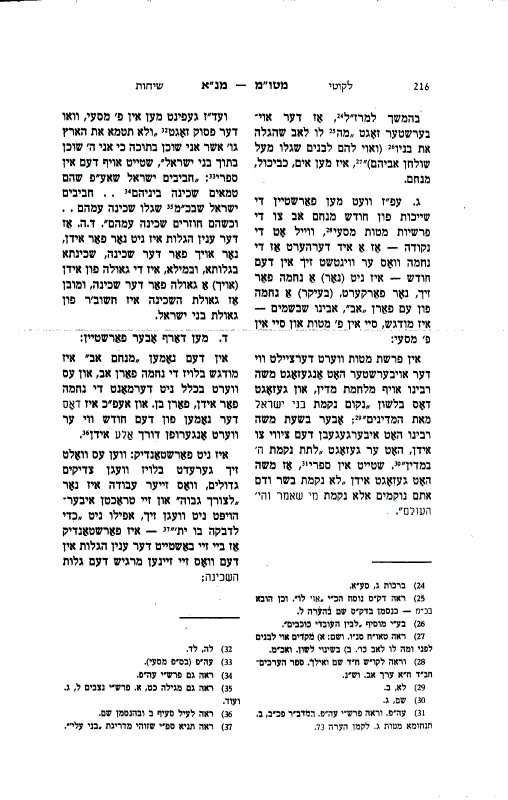
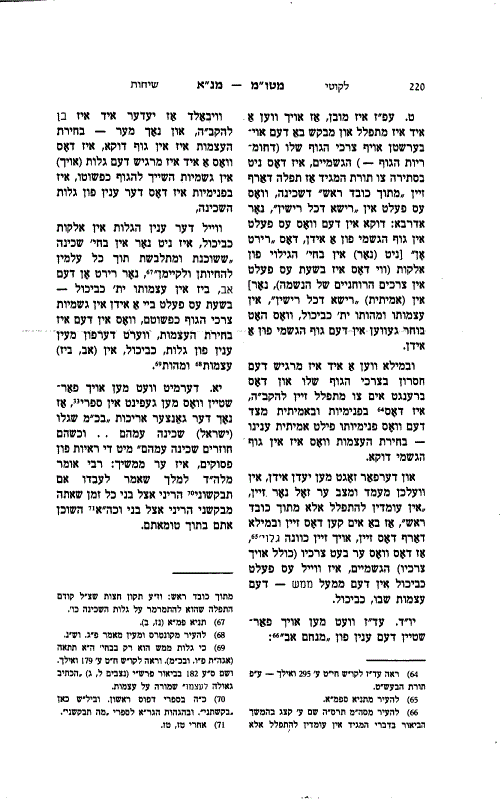
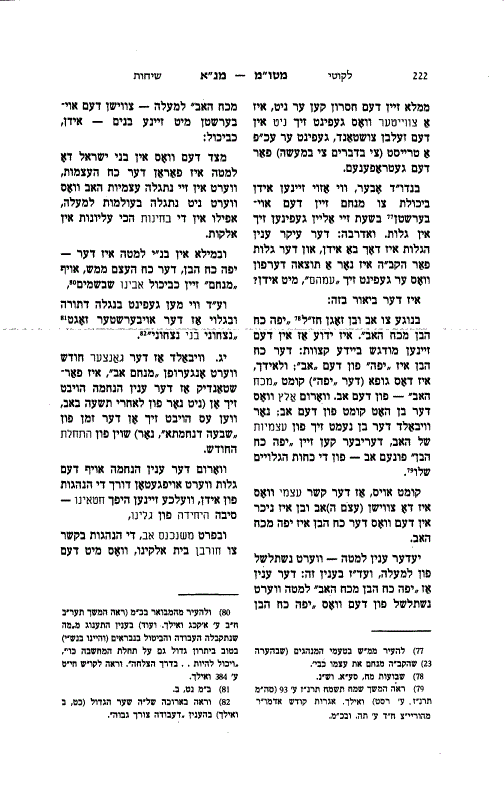
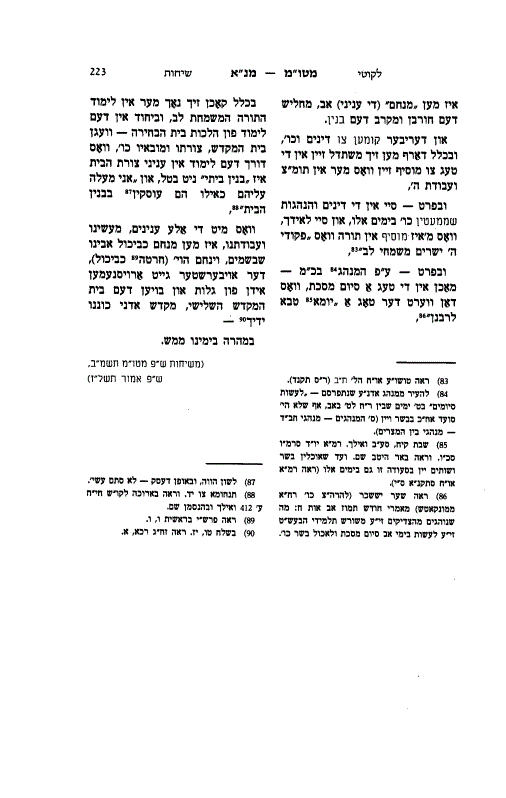
ענייני הגוף קשורים עם העצמות, ולכן כאשר מתפללים עבור ענייני הגוף, התפילה היא גם למען העצמות. כך גם בנוגע ל"מנחם אב," שהוא האב של הבנים: ענייני הבן נוגעים אליו, ולכן הנחמה לאב כוללת גם את הנחמה לבנים. לפי זה, כל בני ישראל שייכים לנחם את האב.

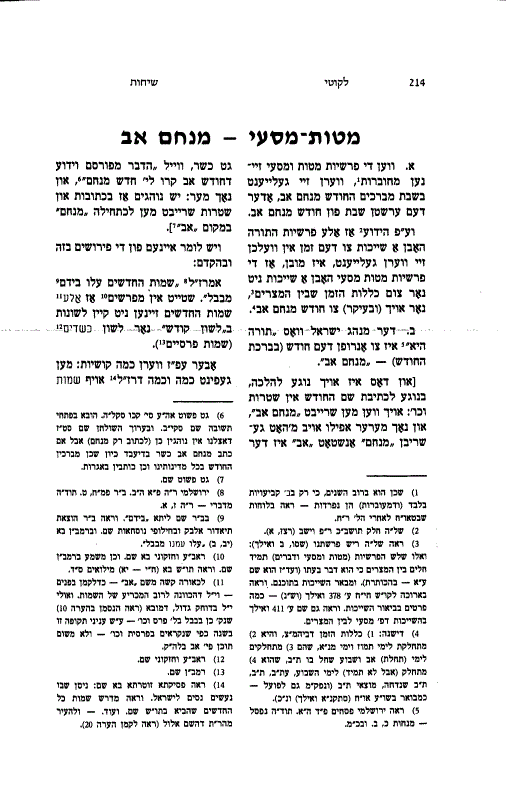
א) שייכות מטות ומסעות לחודש מנחם אב:
A) Connection of the Tribes and Journeying to the Month of Menachem Av.

ב) הפירוש מנחם אב שמנחמים את האב, הקב"ה:
B) The interpretation of "Menachem Av" is that we comfort the Father, HaKadosh Baruch Hu.

ג) כן מצינו במטות נקמת בנ"י = נקמת ה', ובמסעות אני ה' שוכן בתוך בנ"י בטומאתם:
C) Similarly, we find in the context of the tribes: "Vengeance for the Children of Israel" = "Vengeance for Hashem," and in the journeys: "I am Hashem dwelling among the Children of Israel in their impurities."

ד) למה רק מנחמים האב?
D) Why is only the Father comforted?

ה) אין עומדין להתפלל אלא מתוך כובד ראש שלמעלה:
E) One should stand to pray only with the deep reverence of the One Above.

ו) גוף של האדם הוא קנינו של הקב"ה:
F) The human body is the property of HaKadosh Baruch Hu.

ז) גם כשמתפלל לצרכיו בפנימיות מתפלל על חסרון דרישא:
G) Even when praying for personal needs, one is praying for the deficiency in the head.

ח) מעלה שבגוף יהודי שבו בחר עצמות:
H) The advantage of a Jewish body is that it was chosen by the essence.

ט) כשמתפלל על צרכי הגוף בפנימיות זה על עצמות שבחר בגופו:
I) When praying for bodily needs internally, it is for the essence who has chosen the body.

י) צער של בן של הקב"ה מגיע לעצמות:
J) The pain of a child of Hashem reaches the essence.

יא) חביבים ישראל מצד נשמתם שכינה עמהם, מצד הגוף הרי אני בתוך טומאתם:
K) The Jewish people are beloved due to their soul, which has the Shechinah with them; however, regarding the body, "I am within their impurity."

יב) יפה כח הבן שמתגלה למטה יש בכח לנחם האב:
L) The strength of the child manifested below has the power to comfort the Father.


יג) מנחמים כל החודש ע"י הדינים וההנהגות שבהם מוסיפין בתורה:
M) The comforting is done throughout the month through the laws and conduct, by increasing in Torah.
 

Physical matters are connected with the Divine Essence. Therefore, when a person prays for physical needs, the inner meaning of that prayer is a request on behalf of the Essence itself.

The same idea applies to the name "Menachem Av" ("Comforter of the Father"). Since a father is intrinsically bound to his children, whatever affects the child affects the father. Consequently, bringing comfort to the father also includes bringing comfort to the children. According to this, every Jew has the ability to comfort the Father.

The name "Menachem Av" indicates that the Jewish people bring comfort to Hashem. At first glance, this seems to describe an exalted spiritual level, where one is concerned only with comforting Hashem rather than with the suffering of the Jewish people. Such an attitude would appear to belong only to extraordinary individuals who no longer feel their own exile and pain, while most Jews do not relate to such a level.

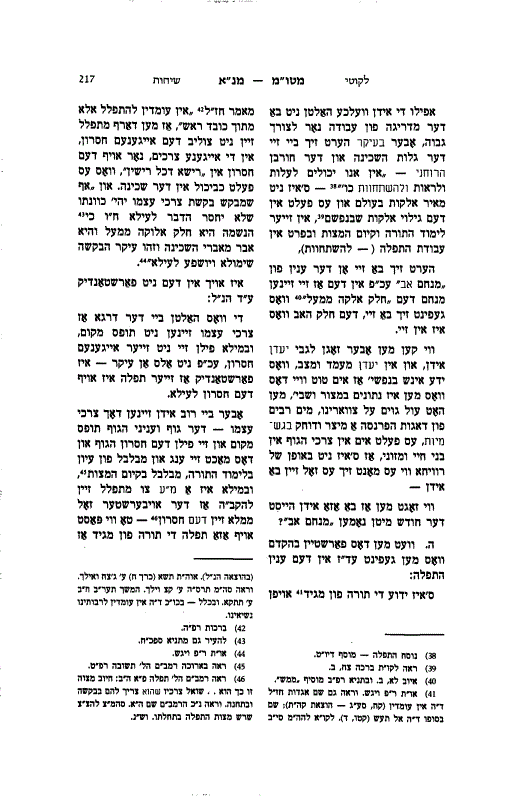
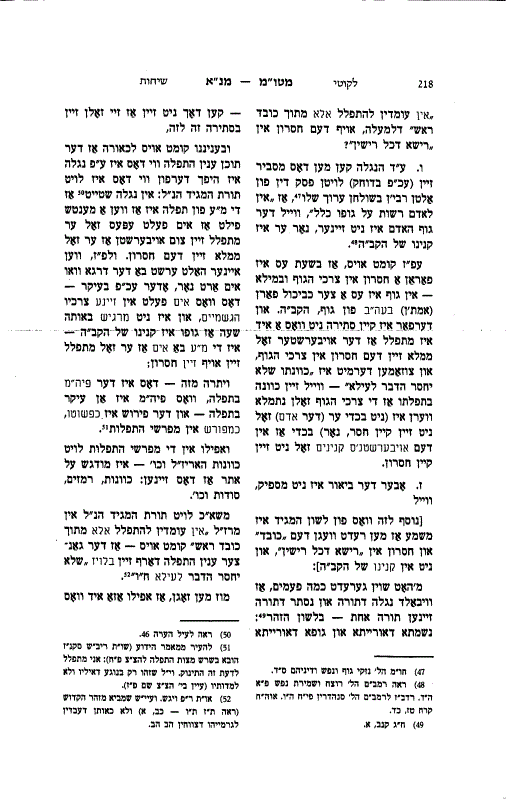
A similar concept applies to prayer. According to the straightforward meaning, prayer is a request for one's personal needs. However, the Maggid explains that the teaching, "One should stand to pray only with a sense of solemnity," means that one's prayer should focus not on one's own deficiency, but on the deficiency, so to speak, Above. Therefore, even when one asks for material needs, the inner intention is a plea on behalf of the "Head"—Hashem Himself.

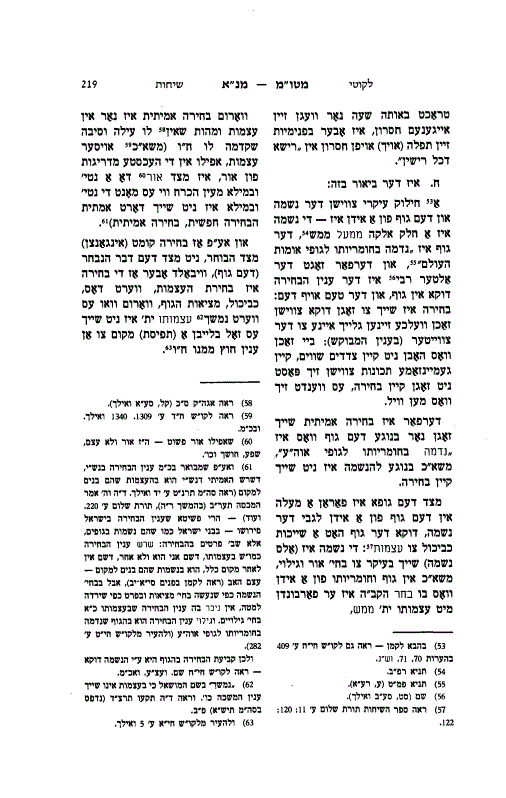
The explanation is that the Tanya teaches that Hashem's choice of the Jewish people—a choice rooted in the Divine Essence—is specifically in the physical body, which outwardly resembles the bodies of the nations of the world. Thus, it is דווקא the physical body that is connected with the Essence. Consequently, when one prays for bodily and material needs, the inner content of that prayer is directed to the Essence itself.

This also explains the concept of comforting the Father. Seemingly, one who offers comfort must stand outside the experience of suffering. If so, how can it be said that the Jewish people comfort Hashem?

The answer is analogous to the explanation of the Sages' statement, "The strength of the son is greater than the strength of the father." The son's power originates in the father's very essence and therefore can surpass the father's revealed faculties. Likewise, because the Jewish people exist below in physical bodies that are connected with the Divine Essence, they transcend the level of Divine revelation. As a result, they are capable of bringing comfort to the Father—that is, to the level of Divine revelation.


Leave Feedback