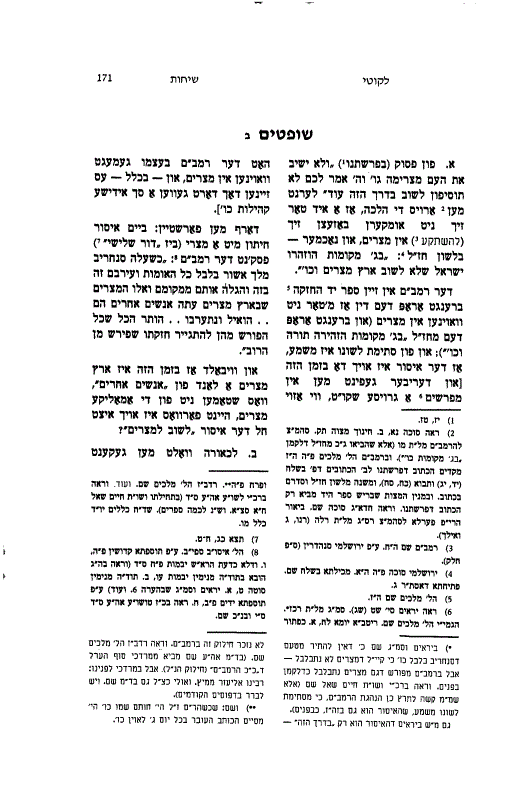
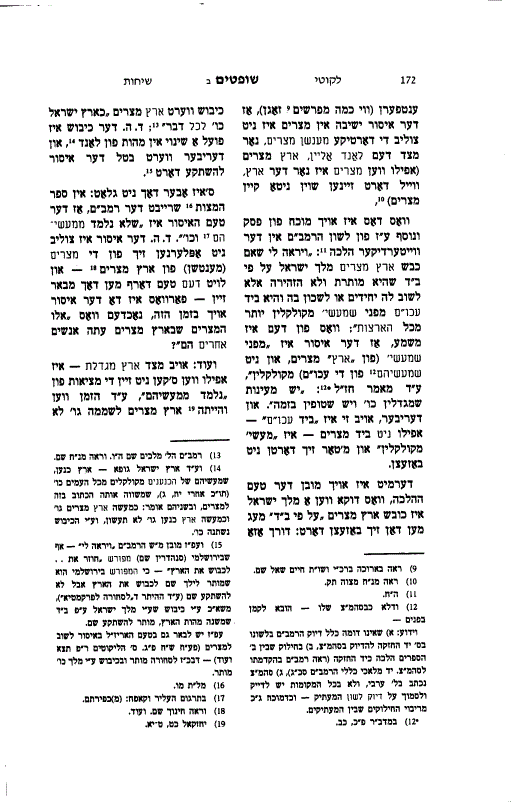
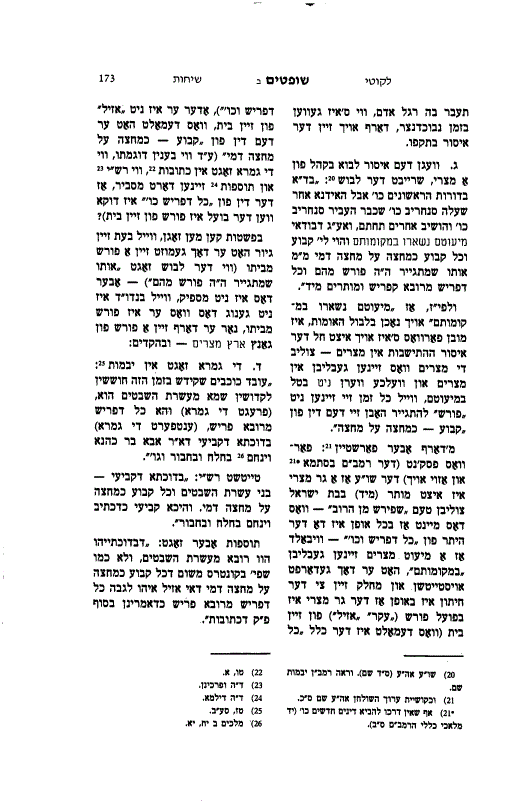
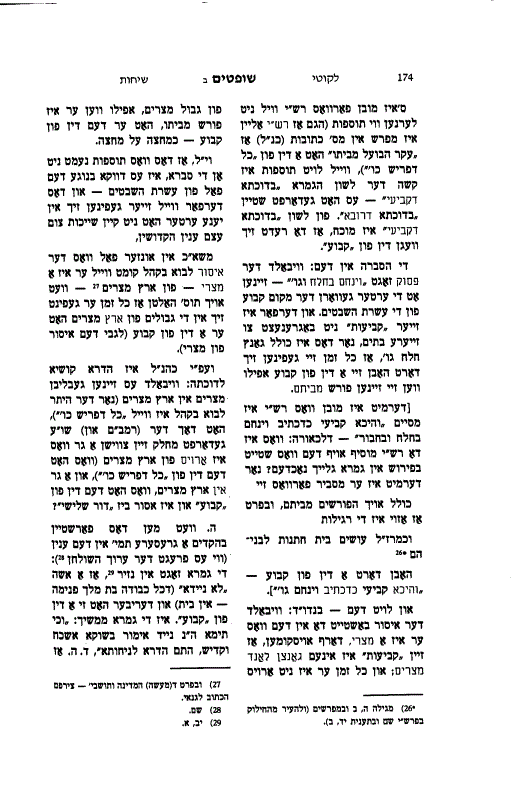
Regarding the prohibition against living in Egypt in the present time, a question arises:
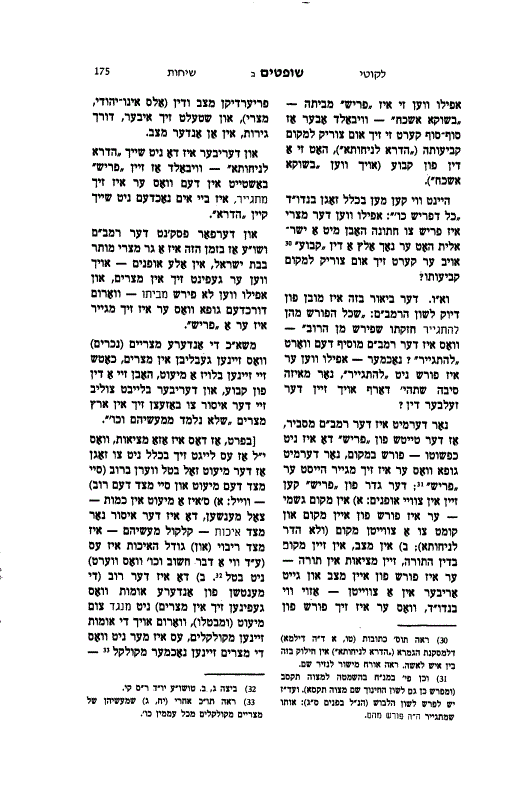
Sancheriv came and mixed up all the nations of the world. If so, the people who currently live in Egypt are not necessarily Egyptians. Why, then, does the prohibition against returning to Egypt still apply, when the reason for the prohibition is so that the Jewish people should not learn from the conduct of the Egyptians who lived there?
The explanation can be understood by first considering the reason that an Egyptian convert is permitted to enter the Jewish community.
The Rambam writes that “anyone who separates from them in order to convert is presumed to have separated from the majority.”
The meaning is as follows:
Even today, there remains in Egypt a minority of descendants of the original Egyptians. However, since they are permanently established there, they have the halachic status of kavua, and therefore they are not nullified in the majority.
Only when an individual separates from them in order to convert do we apply the principle kol deparish meruba parish—whoever separates is presumed to have separated from the majority.
In other words, they do not actually have to leave their homes in order for this principle to apply. The very act of conversion is itself considered the act of separation.
Nevertheless, it remains forbidden to live in Egypt, because the fixed minority of original Egyptians who remain there are not nullified.
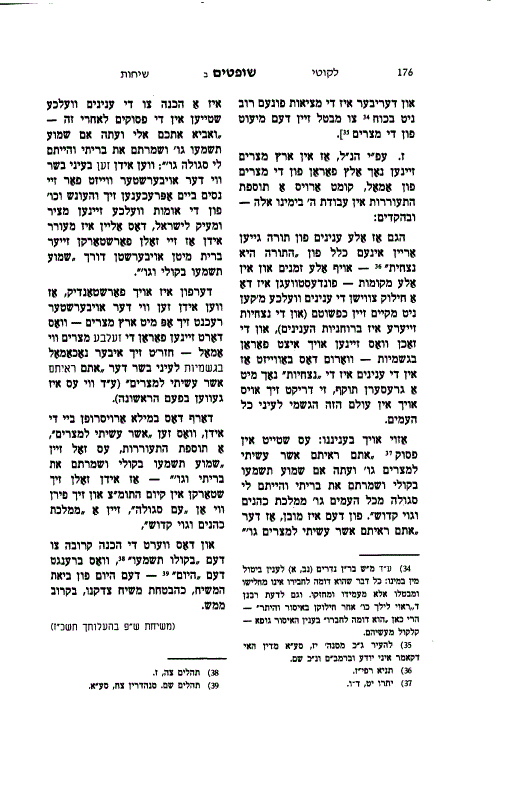
The lesson from this is that in our generation we can see the miracles that Hashem performed with the descendants of the ancient Egyptians. This should awaken the Jewish people to the words:
“You have seen what I did to Egypt… And now, if you will surely listen to My voice and keep My covenant…”