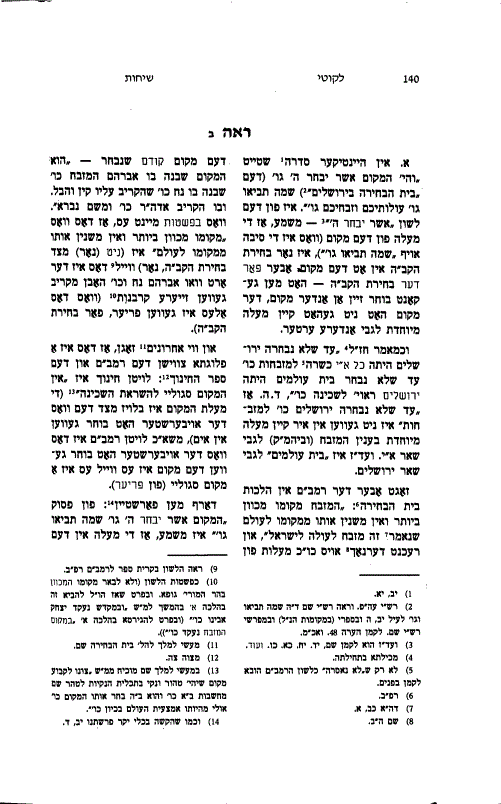
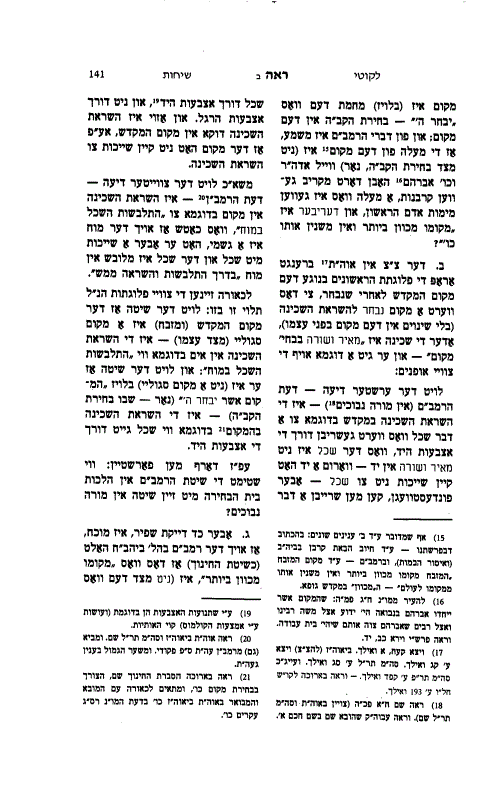
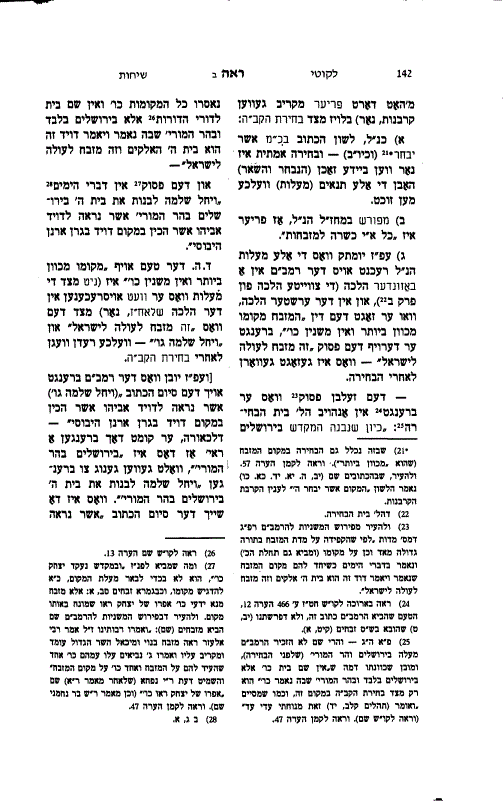
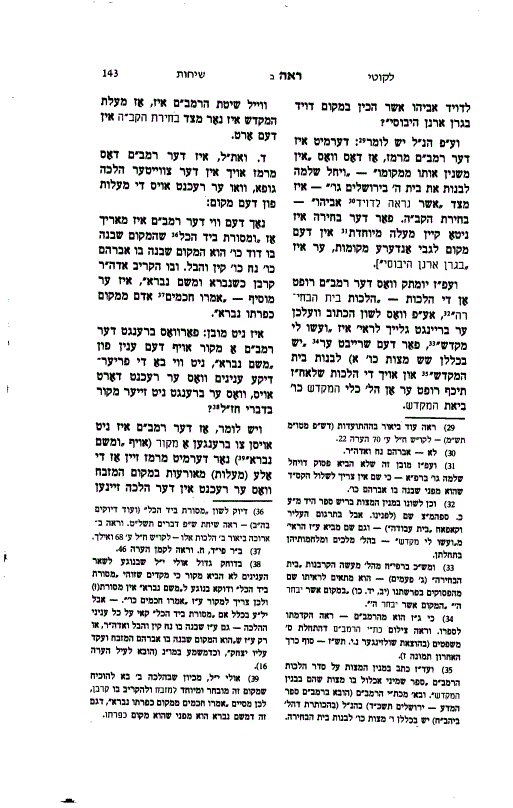
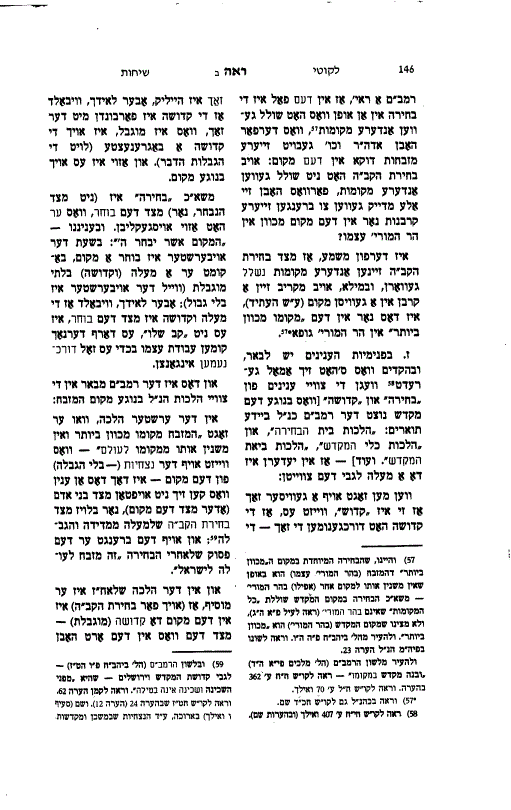
The Rambam maintains that the unique distinction of the place derives from Divine choice. This is why he calls these laws “The Laws of the Chosen House.” Only afterward, in the second halachah, does he add, as a separate matter, the significant events that occurred at that location.
From the plain wording of the Rambam in Hilchos Beis HaBechirah, where he explains that the location of the altar is the place where Avraham offered his sacrifice and where other significant events occurred, it would appear that he maintains that the site possesses an inherent distinction because of those events.
This requires explanation: How does this accord with the plain meaning of the verse:
“The place that Hashem will choose”?
It may be said, however, that the Rambam also maintains that the site’s primary distinction derives from Hashem’s choice. Indeed, this is why he named these laws:
“The Laws of the Chosen House.”
In the second halachah, he adds as an independent matter the significant events that occurred at that location.
The Rambam also mentions this second quality—the distinction of the place resulting from the events that occurred there—in order to explain that Hashem’s choice of this site will never change.
The proof is that Adam, Noach, and the others offered their sacrifices at this particular location through Divine inspiration, and not elsewhere. Had Hashem’s choice eventually been destined to transfer to another place, they could have offered their sacrifices at that other location.
The Inner Dimension
In the inner dimension of Torah, the distinction between holiness and choice is as follows:
Holiness results from the special quality of the place itself, whereas choice comes entirely from Above, through Hashem’s free will.
Therefore, the level of holiness is limited according to the limitations of the place in which it rests. The distinction created by Divine choice, by contrast, is unlimited.
This is why the Rambam mentions both qualities regarding the Beis HaMikdash. The Temple possessed both advantages: its distinction came from Hashem’s unlimited choice, while its holiness entered and permeated the place itself.