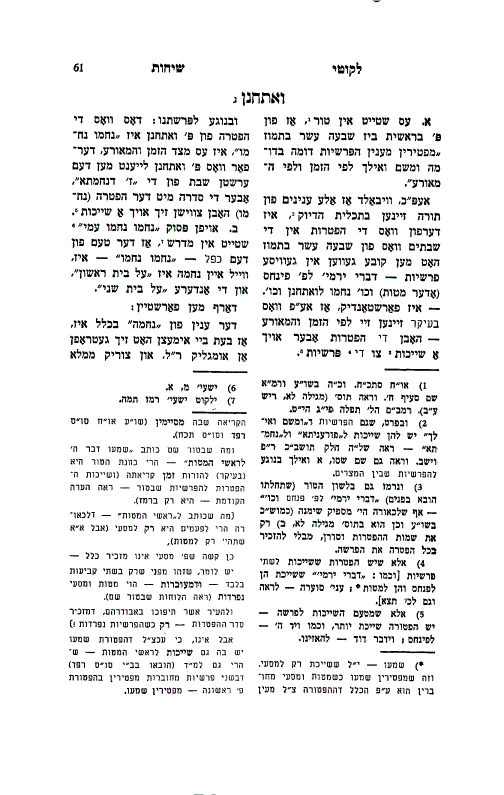
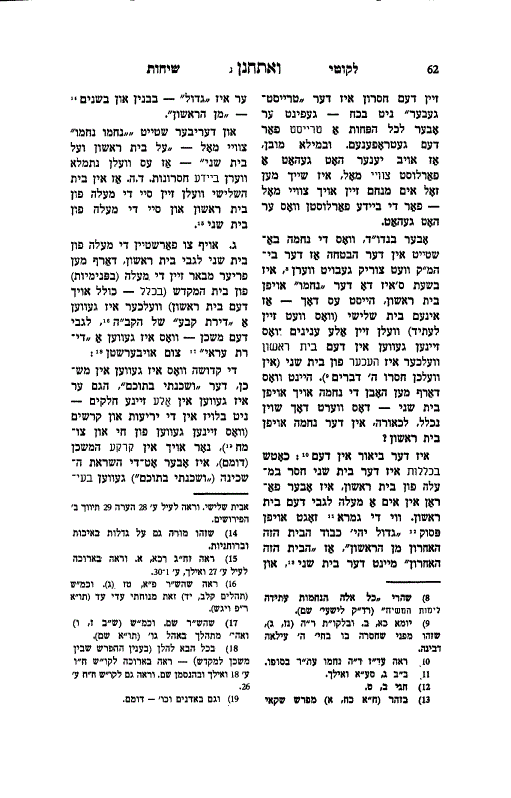
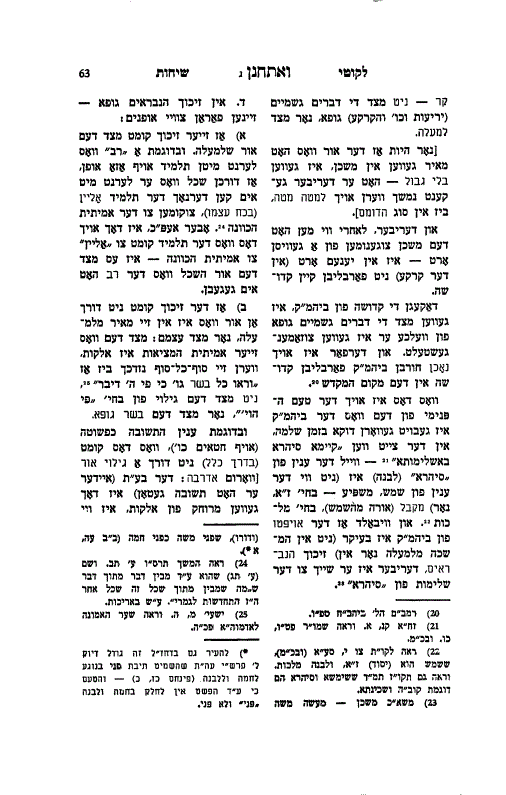
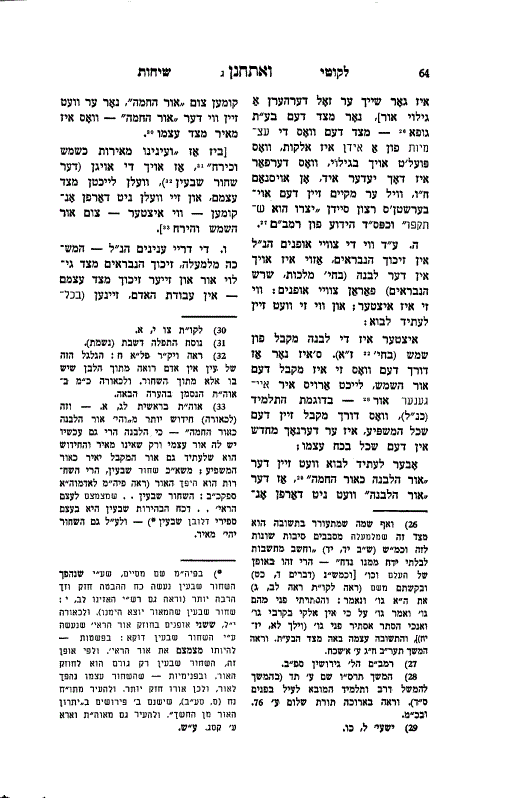
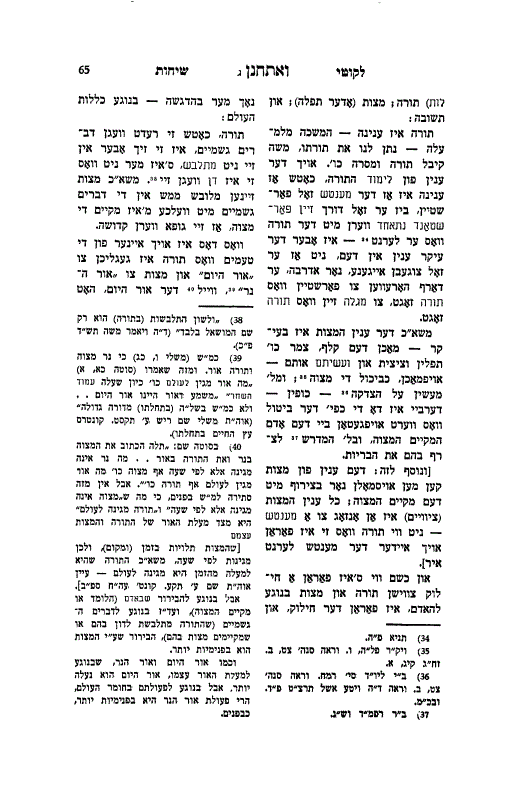
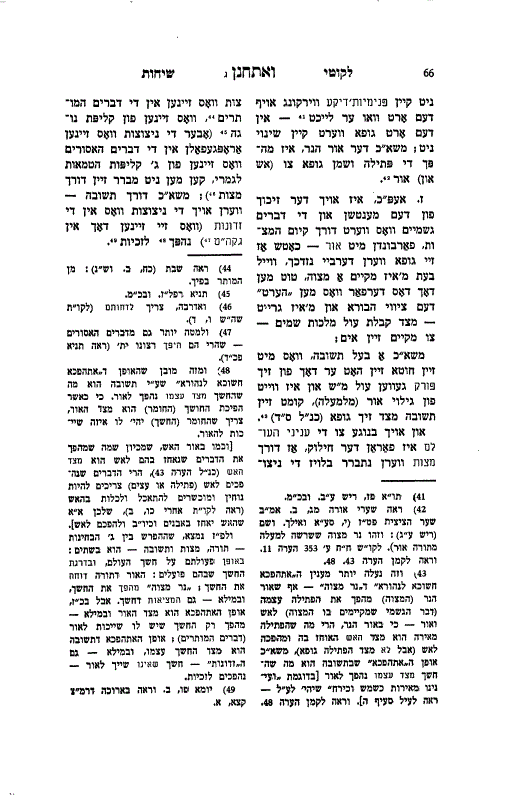
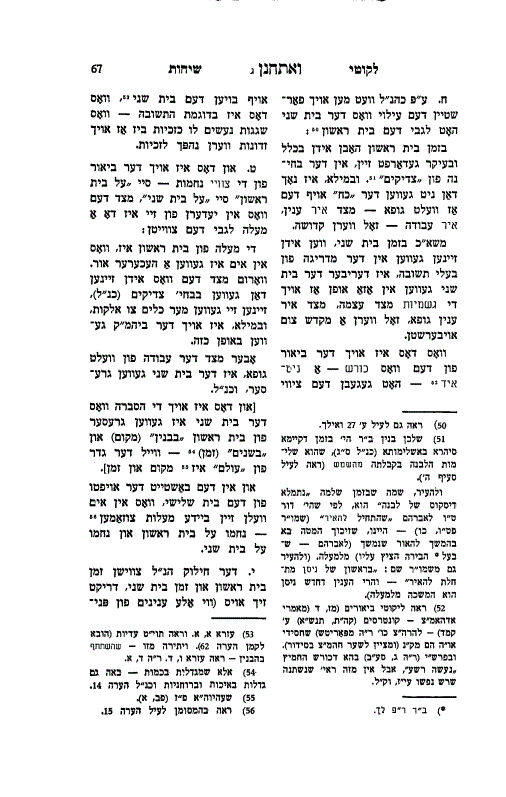
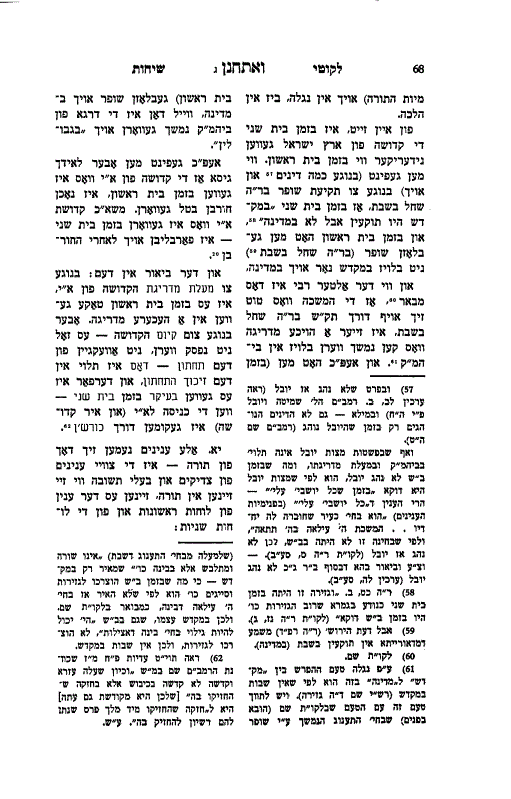
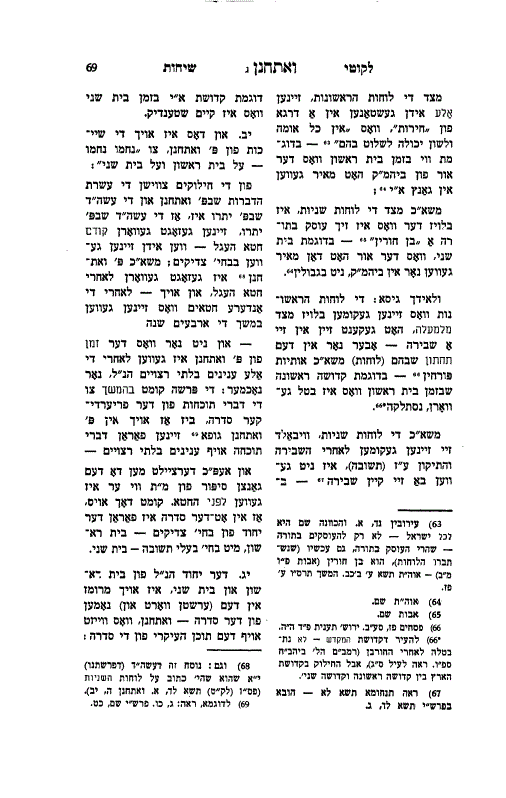
The repetition in the verse, “Nachamu, nachamu ami—Comfort, comfort My people,” corresponds to the consolation for the First and Second Beis HaMikdash. This indicates that the Second Beis HaMikdash possessed a quality not found in the First.
This can be understood by first explaining the differences between the Mishkan and the two Batei Mikdash.
The Mishkan represented a revelation of Divine light from Above. Therefore, the place where the Mishkan stood did not itself become permanently sanctified. The holiness of the Beis HaMikdash, by contrast, also came from below. Its purpose was therefore the refinement of created beings, and for this reason its holiness remains forever.
Within revelation that comes from below itself, however, there are two levels. One level resembles a student who is capable of arriving at his teacher’s true intention through his own efforts. Nevertheless, his ability to do so is itself the result of the influence he received from his teacher. This corresponds to the First Beis HaMikdash.
The Second Beis HaMikdash represents the refinement accomplished within created beings from their own side, arising from the G‑dliness present within the physical creation itself.
The Mishkan and the two Batei Mikdash therefore correspond to Torah, mitzvos, and the service of teshuvah. Torah is revelation from Above. Mitzvos refine created beings. The awakening of teshuvah does not arise from a revelation from Above, for the person has become separated from G‑dliness. Rather, it comes from the innermost dimension of the person himself.
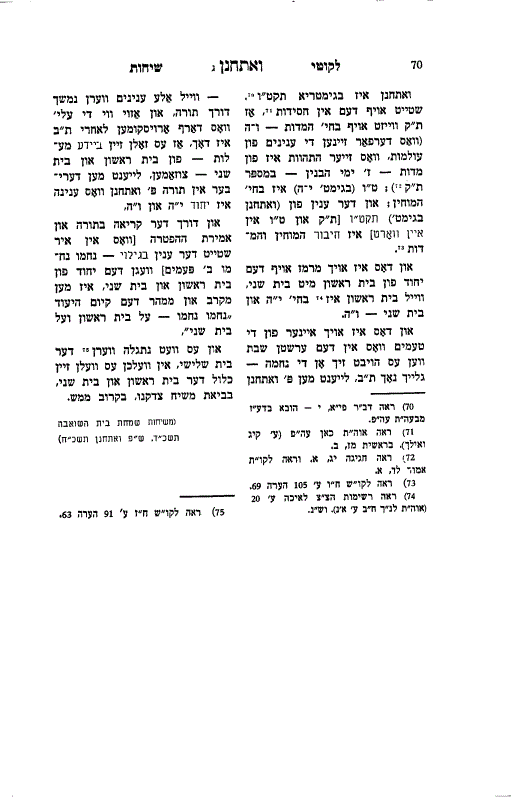
In Parshas Va’eschanan, there is a union of these two dimensions. The parshah contains words of rebuke, whose purpose is the service of teshuvah and the refinement of the lower realm. It also contains the Ten Commandments, which were given when the Jewish people were on the level of tzaddikim, whose service was inspired by revelation from Above.
Similarly, it is explained in Chassidus that the numerical value of “Va’eschanan” is 515, representing the union of intellect and emotion, and of the higher and lower realms.
This is the connection between Parshas Va’eschanan and its Haftarah, “Nachamu, nachamu ami.” The twofold consolation is for the two Batei Mikdash, and it will be realized through the Third Beis HaMikdash. The Third Beis HaMikdash will unite both qualities: the revelation drawn down from Above, associated with the First Beis HaMikdash, and the refinement of created beings from within themselves, associated with the Second Beis HaMikdash.